













Flying is great when everything is working; we train for when things break. One thing that has made flying easier and more fun is RNAV systems, primarily the global positioning system (GPS). While pilots study the navigation displays in the airplane, and train for when (not if) they will fail, the FAA and other regulatory agencies have to think about the whole system. Losing your navigator would be one big suck, but what if there’s no GPS signal for the panel-mounted or even a handheld navigator to process?
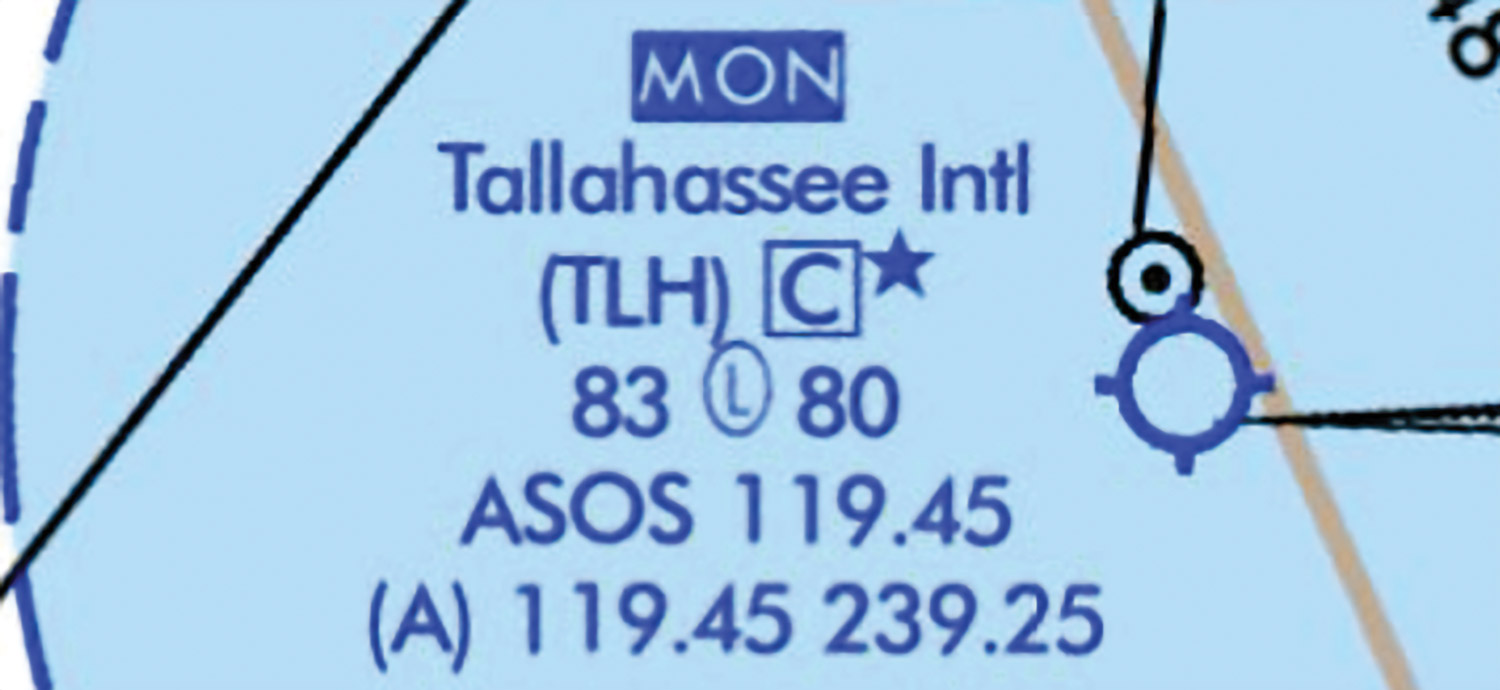
If GPS were the sole means of navigation and it failed suddenly, the FAA would have a lot of aircraft wandering around with no way to use their RNAV capabilities, or maybe even shoot an approach to their destination. So at least until some other accurate navigation system with global coverage is put into widespread use, they have to keep some VORs and ILSes around. It’s prudent, and FAA expects the VOR/ILS system to be the primary backup in emergency outages. Of course, the system is still approved as a sole means navigation, all the way down to 200 feet agl, and lower. The result is the minimum operational network, MON, a selection of VOR and localizer/glideslope facilities that will remain operating for the foreseeable future.

