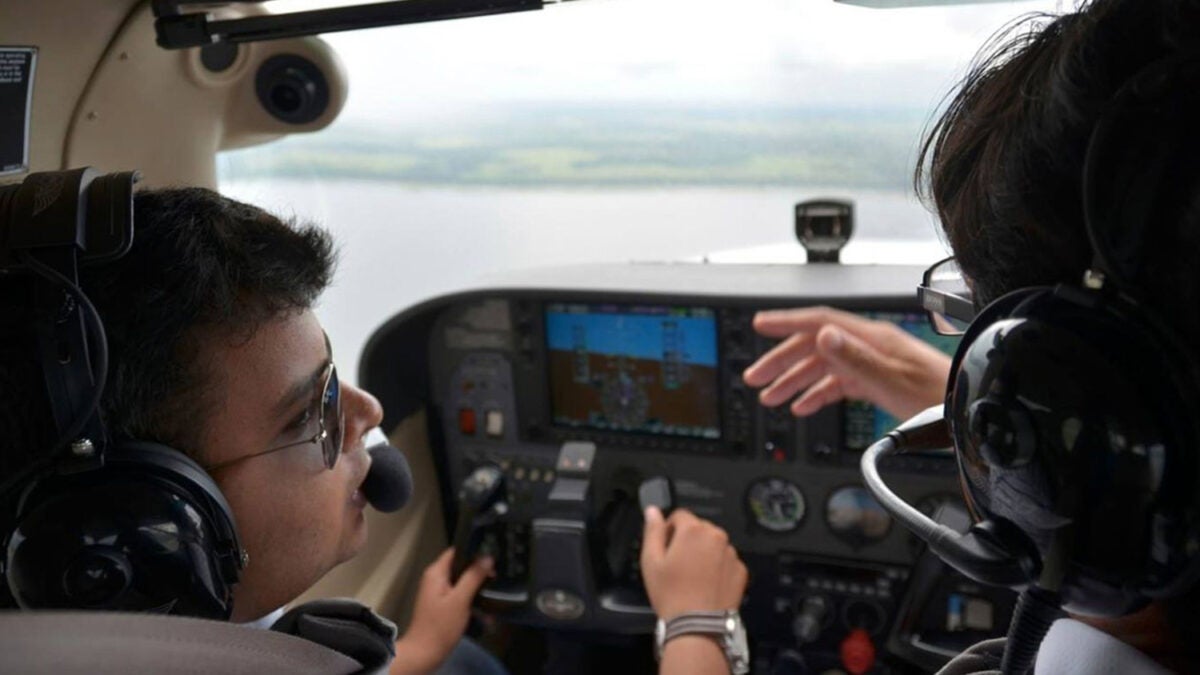
One reason behind a student pilot's delay in taking a check ride could be the result of not having confidence. [Courtesy: Wayman Aviation]
Key Takeaways:
Pilot confidence is crucial, needing a balanced amount; too much leads to hazardous attitudes, while too little impedes training progress.
A respectful, engaged, and competent flight instructor is vital for building student confidence through effective teaching, constructive feedback, and a safe learning environment.
Confidence is developed through consistent practice and drill, both in-flight and on the ground, and by systematically addressing specific anxieties like navigation, landings, or oral exams.
Both under- and overconfidence can hinder a pilot's learning, emphasizing that flying is a continuous process requiring patience, practice, and openness to new instruction.
Confidence is one of those attributes a pilot must have in just the right amount. Too much makes you the poster child for hazardous attitudes. Too little, and your training can stretch out, despite the urging of your instructor that you’re ready for the check ride.
Development of Confidence
The learner’s confidence often comes from their trust of the instructor.
CREATE A FREE ACCOUNT
Sign up to keep reading
Create a free account to continue. Already a member? Sign in below.
Meg Godlewski has been an aviation journalist for more than 24 years and a CFI for more than 20 years. If she is not flying or teaching aviation, she is writing about it. Meg is a founding member of the Pilot Proficiency Center at EAA AirVenture and excels at the application of simulation technology to flatten the learning curve. Follow Meg on Twitter @2Lewski.