













A 727 was approaching Ketchikan, Alaska, high and fast. Despite several warnings from the copilot, the captain elected to continue the visual approach. The airplane landed long and fast on the slush-covered runway, and the captain quickly deployed the spoilers and thrust reversers and applied maximum braking. Then, when it appeared they would not be able to stop the airplane before reaching the end of the runway, the captain said, “We’re going around!” He attempted to stow the thrust reversers and shoved the thrust levers forward. It soon became apparent the engines would not come out of reverse thrust, so the captain reverted to trying to stop the airplane, but by then it was too late, and the airplane crashed into a ravine off the end of the runway, resulting in one passenger fatality. The National Transportation Safety Board determined that the airplane should have been able to stop on the runway even with the higher-than-normal landing speed if the pilot had not tried to abort the landing. Company procedures specified that an airplane is committed to a full-stop landing after the thrust reversers are deployed, and warned that attempts to rapidly stow the reversers and add power often result in failure of the reversers to stow properly.
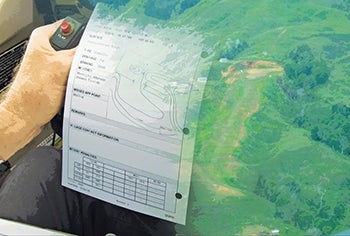
A missionary pilot on base leg to a very short landing strip located on the side of a valley at almost 6,000 feet elevation was blinded by the rising sun. As he turned onto the short final approach, he realized he was higher than specified on the strip chart. Rather than simply turning back down the valley at the specified missed approach point on the chart, beyond which he was committed to land, he began doing an S-turn on final to try to lose altitude. When he realized he was still too high and saw that there were people gathered at the far end of the runway, he decided to go around, even though he was far beyond the point where he was committed to land. The airplane crashed into a banana tree, but the pilot and passengers only suffered minor injuries. Missionary organizations stress that a go-around is usually not possible past the go-around point.

