










Register

Talk to me, baby

Ive come to believe that single-pilot IFR in a fully loaded, glass-cockpit-but without using an autopilot-can be the toughest IFR flying you can do. The past month has found me in the clouds with and without students in a couple different airframes that I hadnt recently flown. Thats important because I wasnt in the groove with known power settings and trim. Theres more load on the scan when the plane is less familiar and thats where glass shows its biggest weakness: Visual channel overload.

Gemini Sparkle

Key Takeaways:

  • Single-pilot IFR in a glass cockpit without an autopilot is considered the most challenging due to high visual demand and the potential for "visual channel overload."
  • Modern glass cockpits present a large amount of information visually, contrasting with legacy cockpits that utilized more auditory cues, which distributed the pilot's cognitive load.
  • The author advocates for integrating more auditory information (e.g., voice callouts for weather or flight parameters) into glass cockpits to reduce visual strain and enhance workload management, similar to existing safety alerts.
See a mistake? Contact us.

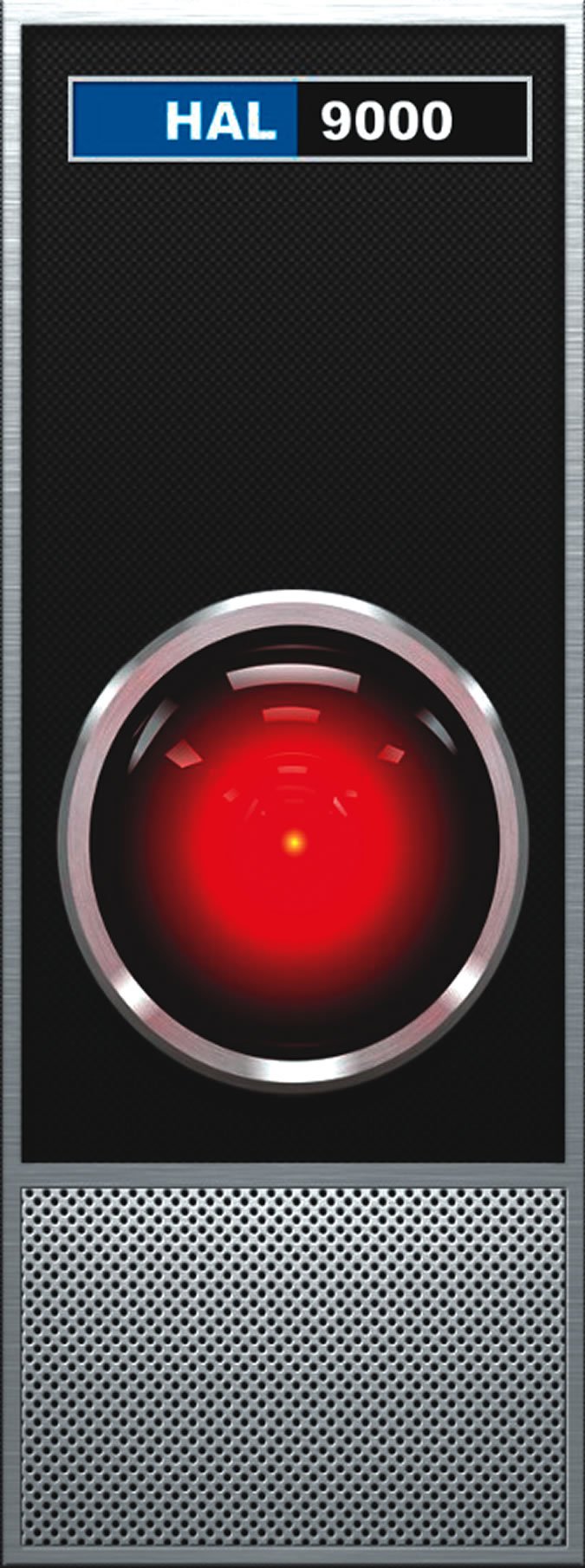
HAL 9000

I’ve come to believe that single-pilot IFR in a fully loaded, glass-cockpit—but without using an autopilot—can be the toughest IFR flying you can do.

Ready to Sell Your Aircraft?

List your airplane on AircraftForSale.com and reach qualified buyers.

List Your Aircraft
AircraftForSale Logo | FLYING Logo
Pilot in aircraft
Sign-up for newsletters & special offers!

Get the latest stories & special offers delivered directly to your inbox.

SUBSCRIBE


