Register

Training

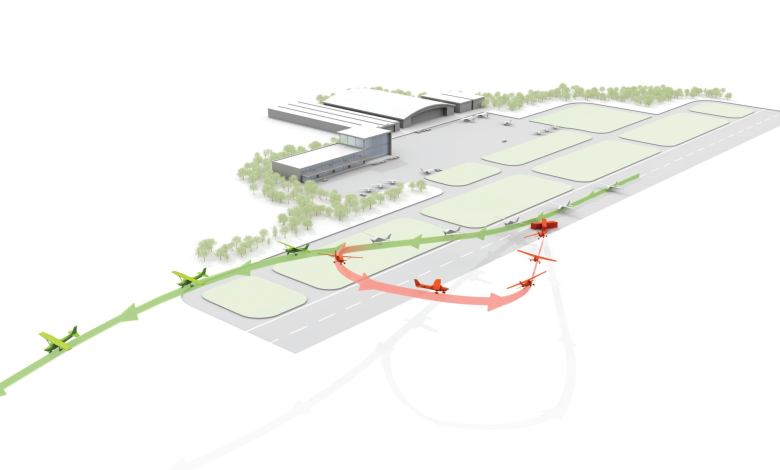
The Benefits of Airborne Upset Training

An expert pilot stalls and recovers from a spin. High-profile airline accidents in recent years — Air France Flight 447, Colgan Air Flight 3407 and Asiana Flight 214 among them — have renewed focus on loss of control — in flight (LOC-I), the leading cause of aviation fatalities. To counter these preventable accidents, regulatory authorities […]

Read More »

The Importance of Upset Training for Flight Crews

In an era of constantly improving aviation safety, loss of control — in flight (LOC-I) continues to result in preventable tragedies, maintaining its position as the No. 1 cause of aviation fatalities. From 1994 to 2003, LOC-I accounted for 36 percent of accident fatalities in commercial jet aviation, and in the following 10-year period, from […]

Read More »

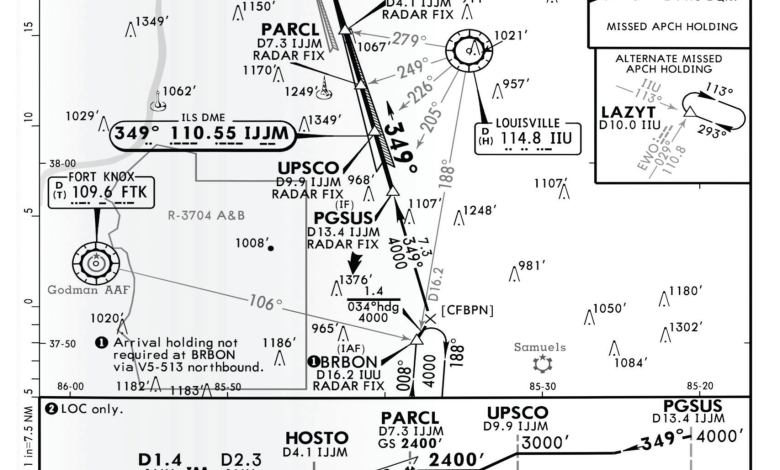
Chart Wise: Understanding RNAV

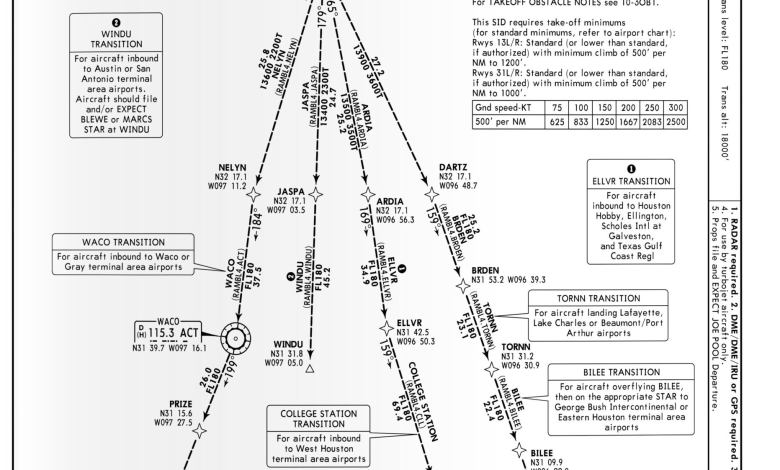
RNAV is more than just point-to-point navigation. All GPS RNAV approaches also have performance parameters baked into the procedure (for instance, required navigation performance values and distance holds instead of timed holds), allowing refinements to make them more accurate and efficient. The granddaddy of all GPS RNAV approaches is WAAS LPV, which offers similar approach […]

Read More »

Gear Up: New Start

Sometime late this afternoon, I’ll get an email telling me about tomorrow. I keep a close eye on my phone, as this will be my first rotation as captain. I hope I get paired with a strong first officer. Upgrading to captain has come just two years after the official start of my career as […]

Read More »

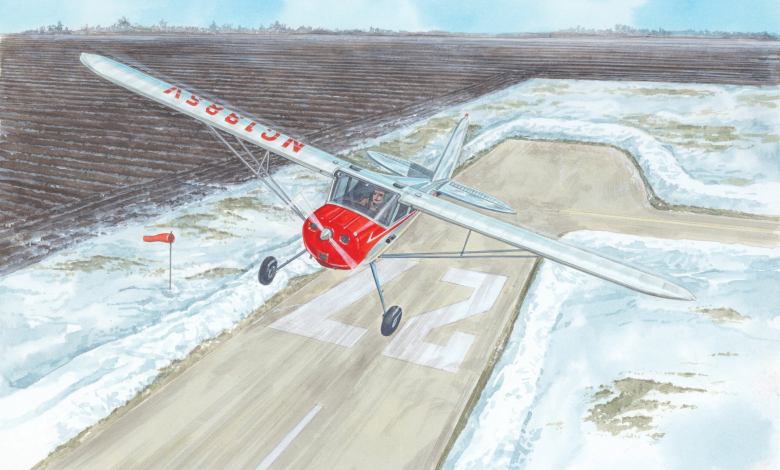
Unusual Attitudes: Handling the Unthinkable

We all know that unannounced, catastrophic, mechanically caused engine failures — loss of power with no previous warning — are so unlikely you’re better off worrying about meteor strikes or an outbreak of bubonic plague. But engines continue to quit because, as Yogi Berra put it, “We make too many wrong mistakes.” A commitment to […]

Read More »

FlightSafety Gets Approval for Falcon 2000LXS Simulator

FlightSafety has achieved level-D qualification from the FAA and the European Aviation Safety Administration for its FS1000 Dassault Falcon 2000LXS simulator. The sim is now in operation at the company’s Learning Center at the Paris-Le Bourget Airport. The simulator incorporates electric motion control and cueing, a multifunction instructor station and FlightSafety’s VITAL 1100 visual system, […]

Read More »

Chart Wise: Briefing the Approach

In our new monthly series Chart Wise, we go in-depth to explore the nuances and vagaries of instrument approach procedures. We’ll start with the basics – how to properly brief an instrument approach. Start by looking at the briefing strip, or the lines of boxed text at the top of each approach chart. This information […]

Read More »

Icing 101

In more than 40 years of flying, Mary Schu says she has never been more frightened than the day she encountered extreme ­icing in flight. Schu flies in Oregon, one of the United States’ “iceboxes.” She’s the National Association of Flight Instructors’ 2015 Flight Instructor of the Year as well as an FAA-designated pilot ­examiner. […]

Read More »

FAA Updates Flight Review Criteria

Before your next flight review or instrument proficiency check, you’ll want to read over a new FAA Advisory Circular that contains guidance for instructors on special areas of emphasis for general aviation pilots. The FAA is concerned that pilots’ hand-flying skills might not always be up to acceptable standards and that many may suffer from […]

Read More »
Pilot in aircraft
Sign-up for newsletters & special offers!

Get the latest stories & special offers delivered directly to your inbox.

SUBSCRIBE