IFR

When Is VFR Recommended (over IFR)?

Even with a stone-age /U-equipped airplane, I have always preferred to file IFR for most flights. That’s for a number of reasons familiar to all instrument pilots. In order of priority, the top four are: traffic advisories; not having to worry about TFRs or other restricted airspace; no bobbing and weaving over, under and around […]

Read More »

The Short-Final Scud Run

June 2010 NOT ALL THAT long ago even the best full-motion jet simulators had very basic visual presentations that were restricted to nothing more than a view straight ahead through the windshield. Most simulators had a television-style screen mounted in each pilot’s windshield, and you couldn’t really see anything except the display on your side. […]

Read More »

Training: Avoiding Airborne Deviations

THE WORDS “PLEASE CALL this phone number after you land” strike terror into the heart of any pilot. Sometimes the bad news comes in the form of a letter from the FAA. However it arrives, it is no fun to learn that you are being charged with an airborne deviation from the FARs. Despite some […]

Read More »

Minimums, Maximums, & Margins

There’s plenty of information on the operating limitations of an airplane. A VG diagram (in some applications called a VN diagram) shows many things including stalling speed, maneuvering speed, maximum allowable speed, maximum indicated airspeed in rough air and maximum allowable G loading, both positive and negative. Operate within the parameters of the VG diagram […]

Read More »

The Best Stategy: Preparation

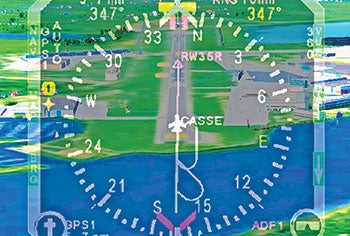
A glass-panel cockpit is intended to make flying an airplane simpler – and safer – by presenting virtually every bit of information the pilot could ever require during a flight front and center on a single display. In more sophisticated glass cockpits, there are at least two displays: the PFD, primary flight display, that can […]

Read More »

Tactical Currency

The words “current” and “proficient” are widely used to define a pilot’s ability to fly. Actually, being current means only that you meet all the regulatory standards which, in turn, don’t mean a whole lot. Almost six months after your last instrument approach you are still considered current for an ILS to minimums. Or, for […]

Read More »

Learning to Use an IFR Rating

The first time I flew solo on an instrument flight in actual instrument conditions was the day I flew from Morristown to Teterboro, New Jersey, to take the check ride with an FAA examiner to add the instrument rating to my instructor certificate to make me a CFII. I sufficiently impressed the examiner to add […]

Read More »

Into the Wild Grey Yonder

I’ll say in advance that Tom and I aren’t bound to agree on everything in this series. While I think checklists and acronyms are great on the ground and in flight for things like emergencies, I don’t think you can apply them to the shades of gray we find in instrument flying. If there is […]

Read More »

Climbing the Ratings Ladder

The private pilot’s certificate is a magic door that opens to the fantastic world of flight. And for many pilots, the sheer pleasure of recreational flying is sufficient. But others soon bridle at the limitations of VFR-only operations when they realize many flights have to be cancelled or delayed because of weather. Often that weather […]

Read More »
Pilot in aircraft
Sign-up for newsletters & special offers!

Get the latest stories & special offers delivered directly to your inbox.

SUBSCRIBE