











Ancient lore is filled with stories of secret societies of Watchers. Whether the subject was werewolves, vampires or keepers of holy grails, Watchers followed Colin Hunter
Someone To Watch Over You
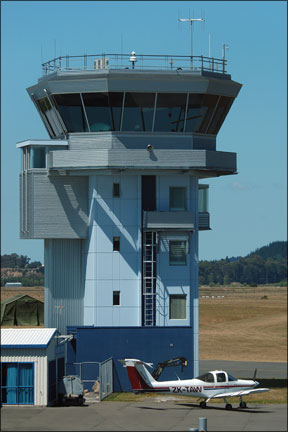
From their perches in the towers, approach controls and center work stations, air traffic controllers track us and guide us and provide valuable help when requested-and sometimes even when its not. Far from a separate society, controllers are an active part of the aviation safety team. From their unique vantage points, controllers have a pretty good idea of what works and what doesnt in aircraft movement. They know what pilots do right and what they might do better to fit into the system and get safely from departure to destination. I polled air traffic controllers to discover what we can be doing better to improve safety, fit into the flow of traffic, get the best possible information while en route, and perhaps expedite our handling and requests. Hear, then, the advice of aviations Watchers.

Key Takeaways:
- Pilots should prioritize professional radio communication (e.g., listen before transmitting, use standard phraseology and full call signs) and obtain current weather information (ATIS/AWOS) before contacting ATC.
- Understand ATC's operational limitations, such as limited weather prediction and short-term conflict warnings, placing primary responsibility for active weather avoidance on the pilot.
- Proactively integrate with the air traffic control system by amending flight plans on the ground, ensuring aircraft equipment matches filed routes, and reading back clearances in the issued order for efficiency.
- Embrace a mindset of teamwork and continuous learning, as effective system safety and efficiency depend on mutual professionalism and clear communication between pilots and controllers.
Key takeaways sponsored by Aviator Pro | Start Your Training ->
See a mistake? Contact us.

