Register

Search Results for: wright

Aircraft

Anequim Project

The mako shark may not be the biggest, but it is the fastest and one of the most ferocious of all the shark species. Capable of traveling as fast as 60 mph over sustained distances, the mako has been known to spring surprise attacks on humans, though it doesn’t prefer human flesh. Its favorite food […]

Read More »
Aircraft

Technicalities: Let Us Now Praise George Cayley

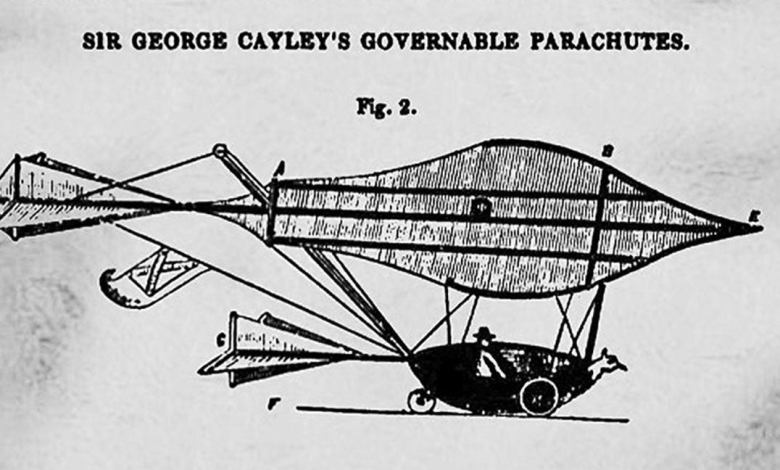
When some Connecticut boosters recently dusted off the claim that ­Gustave Whitehead, of the township of Fairfield in that great state, was “first in flight,” I, and I suspect quite a few others, emitted the sigh of jaded déjà vu. These “who was first” arguments have become pretty tedious. Predictably, the few who were stirred […]

Read More »
Remarks

Practical Logging

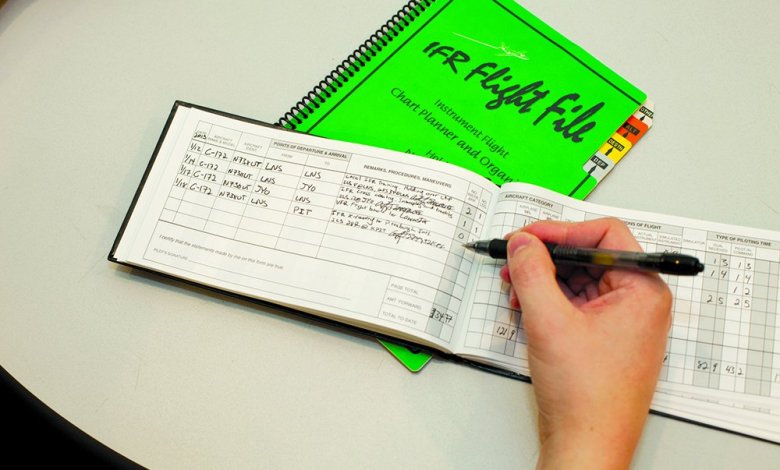
On the heels of the controversy about logging time in a simulator, the FAA has given us an InFO that unequivocally provides clear guidance about when we can log an approach. Thats guidance that weve been lacking, so were glad to see it.

Read More »
Technique

Weather Multitasking

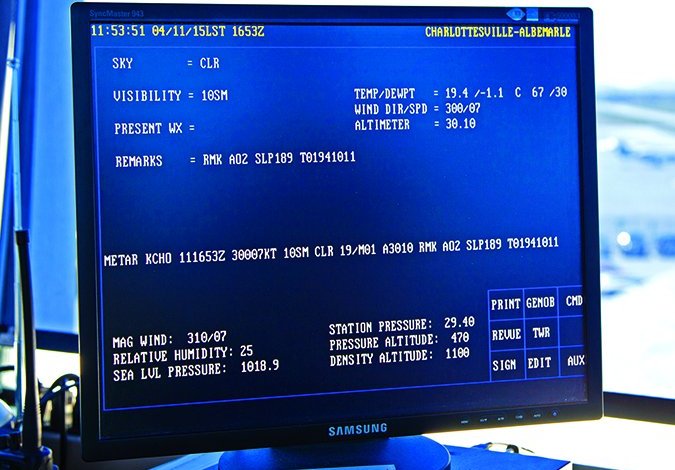
For the moment, well begin with a nickel tour of both the ATC and the national aviation weather systems. Naturally, theres some overlap between them. The FAA air traffic control system is one big ol network. The chain of command begins with the ATC System Command Center in Virginia, which provides oversight and coordination between the biggest ATC facilities, the Air Route Traffic Control Centers.

Read More »
Technique

Can You Log That?

Within the IFR community, there has been much confusion over how and when to log instrument approaches. The FAA extended that confusion to logging approaches in a simulator as we wrote in the December issue, Need a Sim Instructor?

Read More »
Technique

Winter Flight

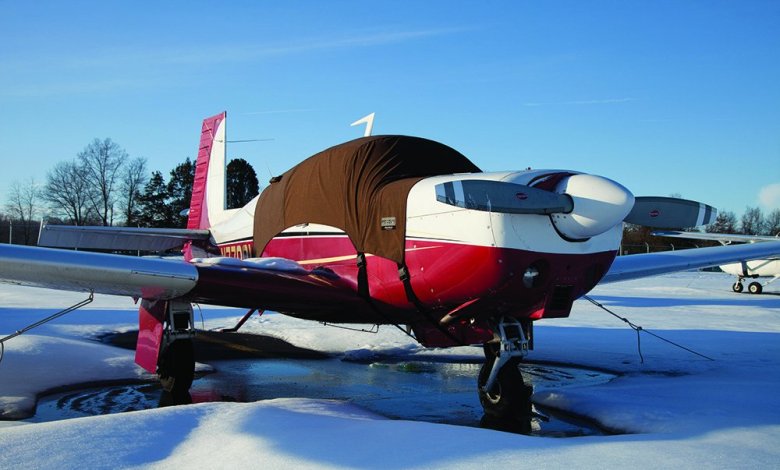
For those of us flying IFR in locations with a high probability of a white Christmas each year, we often need to recalibrate our aeronautical mindset from summer. We have to switch our weather default from Where are the thunderstorms? to Where is the ice? Winter brings us more challenging preflights, engine starts and airport operations. Even though we are all experienced instrument pilots, its still worth taking a few minutes to think about cold weather operations as we head into the worst of the season.

Read More »
Accident Probes

Continued VFR Into IMC

Continued VFR into IMC accidents have been part of the general aviation accident scene since before I started flying more than 50 years ago. Some headway in reducing these accidents was made when private pilot applicants were required to demonstrate basic instrument proficiency beginning in the early 1960s. Cockpit technology has also improved, with even basic training aircraft equipped for instrument flight and devices such as autopilots and weather data link becoming more prevalent. On the other hand, there is a much higher percentage of high performance aircraft in the general aviation fleet than 50 years ago, and more non-instrument-rated pilots are flying longer distances in higher performance aircraft. As a result, the prevalence of VFR-into-IMC accidents is still very high.

Read More »
Pilot Proficiency

Flying to the Bahamas’ Out Islands: Pilots in Paradise

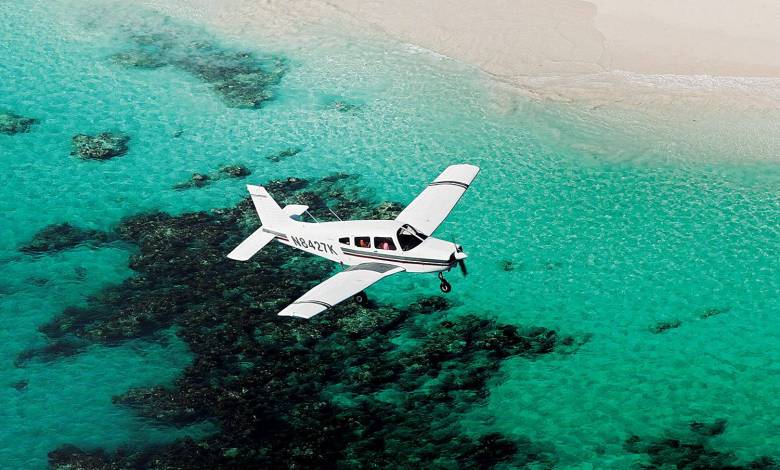
I’m not proud to say it, but last winter got the best of this northern aviator. The face-numbing cold and monochromatic gloom wore at me until I just couldn’t take it anymore. The breaking point came on a brutally raw January morning as I attempted to preheat and start my Piper Pacer after it sat […]

Read More »
News

Embry-Riddle Celebrates 90th Anniversary

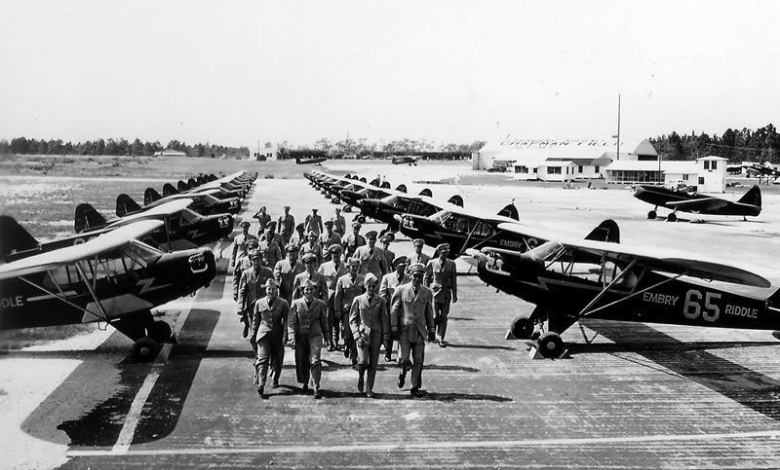
Today, December 17, marks a momentous occasion in aviation history; in 1903, it was the day Orville and Wilbur Wright made the first successful flight in a powered aircraft at Kitty Hawk, North Carolina. Just 22 years later on this landmark day, barnstormer John Paul Riddle and businessman T. Higbee Embry struck a deal, laying […]

Read More »
Features

How Flight Hours Translate to Experience

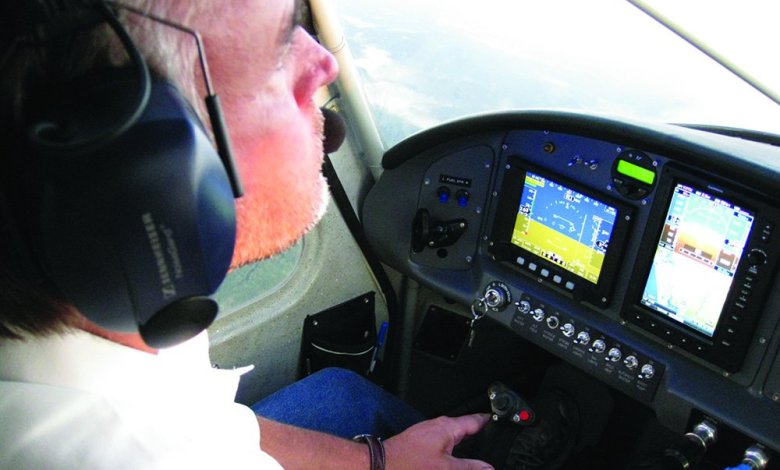
Whenever two or more pilots get together in the same place, the conversation eventually gets around to which of them has the greatest number of flight hours. The yardstick of how much time youve spent aloft is more than just small-scale bragging rights, of course-it also can determine whether youre eligible for a subsequent certificate, or even legal to carry passengers. And then theres the matter of insurance coverage.The simple fact is that most of the aviation world measures how competent we are in the cockpit by how much time we may have spent there. The inference is that high-time pilots are safer, and that low-time pilots are less safe. The fallacy is highlighted if we put someone with 20,000 hours as PIC of a 747 into a piston single and ask him or her to perform an engine-out approach from downwind: Without some practice-i.e., some experience with that particular operation-its not likely to turn out well. What is experience? How to measure it? Most important: If its so valuable, how can we get more of it?


Read More »
Pilot in aircraft
Sign-up for newsletters & special offers!

Get the latest stories & special offers delivered directly to your inbox.

SUBSCRIBE