Register

Search Results for: oxygen

Airmanship

Max-Range Flying

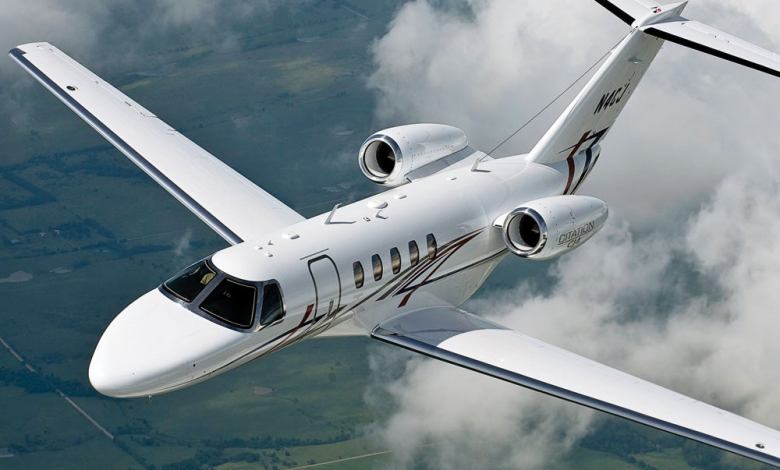
Most pilots never need to eke maximum range out of the airplane. For others long-range flying is the norm, the reason for having an airplane in the first place. There are many considerations-some objective, some subjective-when youre planning a maximum-range flight. Lets define maximum-range flying as any flight planned to travel near the maximum distance the airplane can fly with the fuel on board, and have legal fuel reserves. When we think of max-range flying in light airplanes were usually thinking about a flight of three to seven hours, depending on characteristics of the specific airplane. If you take off with minimal fuel but are planning to use most of what youve got, however, even a short flight entails some maximum-range thinking.

Read More »
Features

Fighting Fires

An in-flight fire is most pilots greatest fear, surpassing even a mid-air collision. Although relatively rare, the unique combination of combustible materials and ignition sources available in the typical personal airplane means an in-flight fire must be dealt with quickly and decisively. Doing so usually means disabling systems to deprive the fire of its fuel or ignition sources, and employing a fire extinguisher to smother it. A quick landing, even if off-airport, may be necessary. The problem? Our cockpits feature an abundance of materials capable of sustaining a fire. Carpeting, insulation, upholstery and paper charts are present in even the most basic airplane. This is true even if every scrap of fabric has passed an FAA-approved burn test. Throw in a fuel line or two-whether routed through the fuel selector, flowing via a capillary line to a fuel pressure gauge, or resulting from the designers basic need to move fuel from the tanks to an engine-and youve got another, much more combustible material.

Read More »
Features

Briefing The Slam-Dunk Approach

Where you are, droning along in IMC, when suddenly youre almost on top of the final approach fix and havent planned for the procedure, much less set up the cockpit. How are you going to get safely from the FAF to the runway? It doesnt really matter why you find yourself here. Maybe you spent too much time at altitude without oxygen and it suddenly dawned on you where you are and what you need to do. Maybe the right engine just committed harikari and is dangling from the wing. Maybe a passenger needs urgent medical assistance. It doesnt matter. The problem is youre about to shoot an approach for which you havent briefed yourself or configured the airplane. What are you going to do

Read More »
Photos

Cessna Turbo Skylane

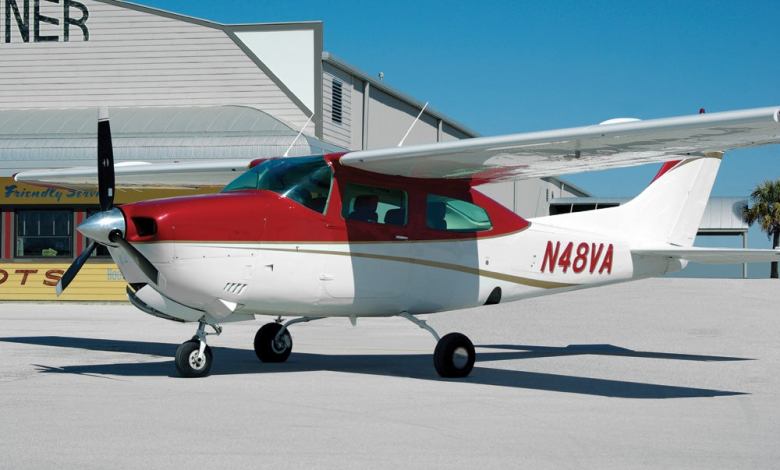
What is there left to say about the Cessna Skylane? You’d think not much. After all, it’s an airplane that’s been in production (with one decade-long break in production from the mid-80s to the mid-90s) since 1956. During that time Cessna has built more than 20,000 Skylanes, making it one of the most popular models […]

Read More »
News

Incapacitation

At a recent dinner gathering, a few days after the wonderfully well-omened US Airways ditching in the Hudson, when several guests had been grilling me about bird strikes and ditching procedures, someone commented that her worst nightmare was being in an airplane when the pilot had a heart attack. “How often,” another guest asked me, […]

Read More »
Photos

Dragon Hearts

There is frost accumulating inside the windows of my cockpit. I reach a gloved hand up and scrape a clear opening in the ice. The long, graceful lines of the left wing extend almost 50 feet into the impossibly thin air surrounding us. Normally when I fly, I’m off the surface of the planet, but […]

Read More »
Photos

So You Want to Fly a U-2?

“It’ll take an act of God to get her a flight.” So went the first response to the U-2 pilots at Beale AFB who asked about getting me a flight in one of their two-seat training airplanes. In the end, it didn’t quite require an act of God. Only a signature from a three-star general. […]

Read More »
Photos

2008 Editors’ Choice Awards

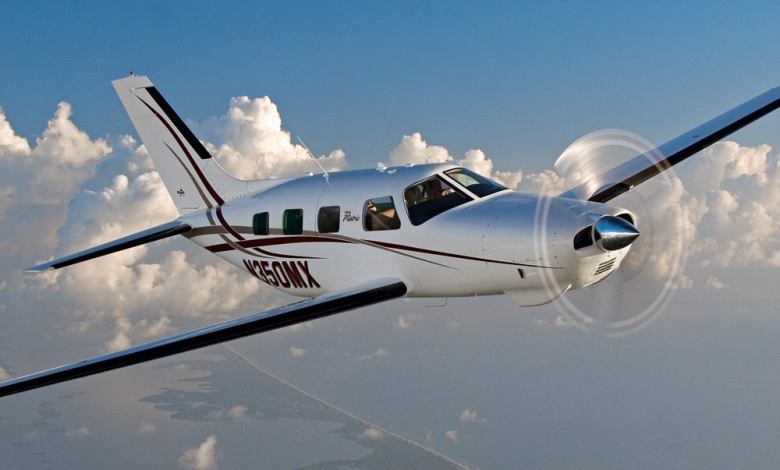
Flying’s editors get together every fall to go over the developments of the previous year in order to find a few truly outstanding achievements. Along the way we consider only those aircraft, avionics, pilot services and equipment that have been fully certified and have entered service during the year. Piper Matrix When airplane makers add […]

Read More »
General

Unusual Attitudes

I soloed Andrew Loewenstein last week. He’s a good-looking kid with black curly hair, the 16-year-old son of a corporate pilot friend. Drew had only three hours of “dual received” in his logbook but that doesn’t reflect years of flying little airplanes with his dad. So I sat in the grass while he took a […]

Read More »
Airmanship

Flight Training for Fatigue Awareness

The news stories were hard to miss: On February 13, 2008, a go! Airlines flight crew, already weary from prior days of cycle-intensive flying, felt the warmth of the sun through the cockpit windscreen as they guided their 50-seat Bombardier regional jet to Hilo from Honolulu. The captain felt he just had to close his eyes for a minute; he succumbed, as did his first officer. The next thing they knew, ATC was calling. The flight was already well past the destination after some 20 minutes of snoozing, the crew mumbled something about radio problems, turned around and landed safely. They later conceded to investigators they had slept through prior calls. The first officer even noted he could hear the calls in his sleep-he just couldnt respond. go! Airlines, a division of Mesa Air Group, suspended the two pilots that day; in April the airline terminated them citing evidence that both airline pilots apparently fell asleep on the flight deck. The outcome for other sleepy pilots has too often been more tragic than comic. Even though studied to near exhaustion, the insidious effects of fatigue, sleep interruption and sleep deficit continue to plague pilots in their planes. You dont need to be an airline or corporate pilot, flying multiple segments two and three days in a row, to find yourself struggling to stay awake in the cockpit. You dont even need to fly long leaps across multiple time zones. Fatigue sets in from issues as innocuous as a business or vacation trips with upset routines-later bedtimes, earlier rising, more late-night alcohol or unusual eating times all can contribute. Even something as simple as disrupted rest cycles for two or three days contributes to a sleep deficit. And like financial deficits, a shortage of good rest must eventually be repaid. If not, the body may force compensation against your will-and next thing you know, youre asleep at the yoke.

Read More »
Pilot in aircraft
Sign-up for newsletters & special offers!

Get the latest stories & special offers delivered directly to your inbox.

SUBSCRIBE