











Most pilots never need to eke maximum range out of the airplane. For others long-range flying is the norm, the reason for having an airplane in the first place. There are many considerations-some objective, some subjective-when youre planning a maximum-range flight. Lets define maximum-range flying as any flight planned to travel near the maximum distance the airplane can fly with the fuel on board, and have legal fuel reserves. When we think of max-range flying in light airplanes were usually thinking about a flight of three to seven hours, depending on characteristics of the specific airplane. If you take off with minimal fuel but are planning to use most of what youve got, 288
Max-Range Flying
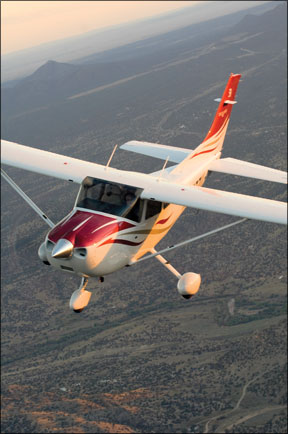
Most pilots never need to eke maximum range out of the airplane. For others long-range flying is the norm, the reason for having an airplane in the first place. There are many considerations-some objective, some subjective-when youre planning a maximum-range flight. Lets define maximum-range flying as any flight planned to travel near the maximum distance the airplane can fly with the fuel on board, and have legal fuel reserves. When we think of max-range flying in light airplanes were usually thinking about a flight of three to seven hours, depending on characteristics of the specific airplane. If you take off with minimal fuel but are planning to use most of what youve got, however, even a short flight entails some maximum-range thinking.

Key Takeaways:
- Maximum-range flights demand meticulous pre-flight fuel planning, including optimal power settings and fuel management techniques, alongside continuous in-flight monitoring of fuel state and aircraft performance.
- Pilots must diligently update and cross-check en-route weather forecasts, particularly wind conditions, against their flight plan, and be prepared to divert if actual conditions differ significantly.
- Maintaining pilot physiological well-being through proper hydration, nutrition, and active fatigue management is critical for sustained alertness and sound decision-making, ensuring safety is prioritized over the desire for a non-stop journey.
Key takeaways sponsored by Aviator Pro | Start Your Training ->
See a mistake? Contact us.

