Register

Search Results for: general aviation inc

Features

Is The LSA Safe?

The aviation world rejoiced in the summer of 2004 when the FAA announced the long-awaited adoption of its light sport aircraft (LSA) rulemaking, and the sport pilot certificate. Small, simple aircraft manufactured to industry consensus standards instead of the agency’s regulations should be vastly less expensive than traditional entry-level aircraft. Pilots who self-certify medical fitness to fly on the basis of their state’s driver license requirements could avoid the expense of an FAA medical certificate (the same pilot self-certification of medical fitness to fly applying to private and higher pilots still applies to sport pilots). Overall, the price barrier to personal aviation should fall away, causing a resurgence in new pilot starts and a renaissance in recreational and entry-level career track flying.

Read More »
Features

Ground Handling 101

Each flight of a land-based airplane begins and ends at the tiedown, or in the hangar. Even if you’re flying a seaplane, glider or helicopter, some degree of preparation, care and feeding of your aircraft occurs on the ground/water, where it actually spends most of its time. How we operate an aircraft on the ground doesn’t carry with it the same levels of risk as when we’re airborne, but like anything involving aviation, there are right ways and wrong ways to do things.

Read More »
Features

Where’s The Traffic?

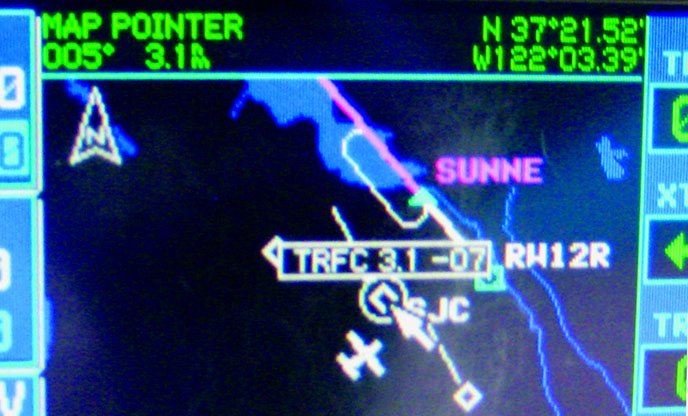
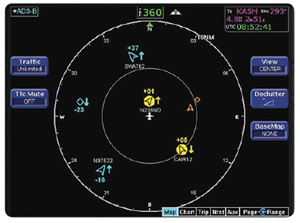
A recent discussion with a friend who happens to be an aviation attorney got me thinking about how pilots put too much faith in cockpit traffic alert systems. Without spilling the beans on privileged client/attorney speak, he spoke of a lawsuit he was working that arose from an ugly mid-air collision involving an aircraft well-equipped with high-end traffic alerting gear. It’s the type of accident provoking lots of emotion since it sadly took some lives. From what I could gather, there were some fingers wrongly pointed at the traffic system manufacturer, as if the traffic system failed at its intended job.

Read More »
News

Aftermath: Unforeseen Circumstances

In February 2010, a CESSNA T337G Skymaster made a low pass over the runway at Farmingdale, New Jersey. As it pulled up, a six-foot piece of the right wing broke away; the ensuing crash, before the eyes of friends and relatives for whose benefit the pass was being made, killed all five aboard. In August […]

Read More »
Editor's Log

Silly Season

Unless you’ve been out flying the last few months, you’re probably aware 2012 is a presidential election year in the U.S. Take away all the posturing, the debates and the incessant television ads, and the average GA pilot is left with…temporary flight restrictions, or TFRs. The fun begins in earnest about the time you read this, with the GOP convention in Tampa, Fla., followed quickly by the Democrats’ confab in Charlotte, N.C. Even if you don’t live near one of those areas, an election-related TFR can pop up near you just about any time. What’s a pilot to do?

Read More »
Features

A Pilot Training Reform Report Card

Two years ago, at AOPA’s Summit in Long Beach, California, both the association and the Society of Aviation and Flight Educators (SAFE) announced pilot training reform efforts. AOPA, alarmed at the pilot dropout rate, focused more intently on student retention while SAFE’s efforts zeroed in laser like on the relationship between training and safety and how poor training may reduce retention and flying activity in general. In the meantime, the NTSB just concluded a study on amateur-built aircraft safety and it focused a two-day forum exclusively on that topic. Two years later, it’s fair to ask: Have we made any concrete improvements in training? The short answer is that SAFE recognized from the outset that training reform would be an evolutionary process, not something that would occur overnight or even over months. The organization made a number of recommendations, including better accident analysis, improved flight training curricula and delivery, and CFI accreditation, to name three. We’ve seen significant progress on some of these issues, but less on others. Here’s a summary of where we stand.

Read More »
Pilot Proficiency

Extending Your Fuel Efficiency

It ought not to be true, but it is: In every pilot’s life there comes a moment when he wishes he had a little more fuel. Perhaps the headwind was stronger than forecast; the gauges have dropped below a quarter sooner than you hoped they would; the descent and climb for an en route stop […]

Read More »
Pilot Proficiency

Gear Up: Getting Rusty

If I don’t practice one day, I know it; two days, the critics know it; three days, the public knows it.” So said Jascha Heifetz, the legendary violinist. Lately, I can relate. Last spring our Cheyenne turboprop sat, lonely and forlorn, in the hangar at Landmark Aviation in Tampa, Florida (our home base), for six […]

Read More »
News

L-3 GH-3900 ESIS Receives TSO

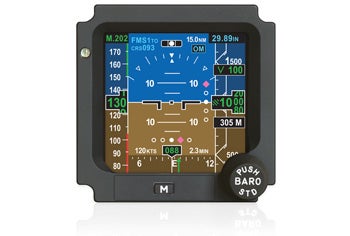
L-3 Avionics Systems has received Technical Standards Order (TSO) approval from the FAA for its newest electronic standby instrument system (ESIS), the GH-3900. The unit meets Level A hardware and software standards and was designed for installation in transport category and general aviation aircraft (though not for airplanes with a gross weight below 6,000 pounds). […]

Read More »
Pilot in aircraft
Sign-up for newsletters & special offers!

Get the latest stories & special offers delivered directly to your inbox.

SUBSCRIBE