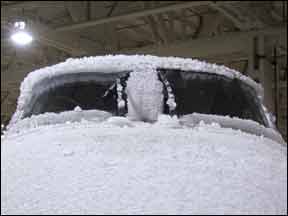
The only time ice on the airframe is a good thing is when it’s tied down and you really didn’t want to go flying today, anyway. Otherwise, it’s always something to be avoided. As we all should have been taught, ice adhering to the wings, tail and other components tends to add weight and drag. If it forms on an airfoil, the surface’s lift characteristics can be dramatically different, in addition to the weight and drag. Bad karma all around. But ice can affect other systems, too. The pitot/static system is problematic, as is the electrical system, as more current is demanded to keep things warm. Depending on the aircraft, ice also can extend the landing gear, fail an engine or cause critical electrical failures. The NASA Aviation Safety Reporting System (ASRS) recently updated one of its database report sets, the one covering icing incidents among commuter and general aviation aircraft. The incident descriptions have several lessons for us and highlight airframe icing’s complications, even if having the stuff on the airfoils turns out not to be a factor.