Register

Search Results for: general aviation inc

News

Lufthansa Subsidiary Offers Comprehensive UAS Solutions

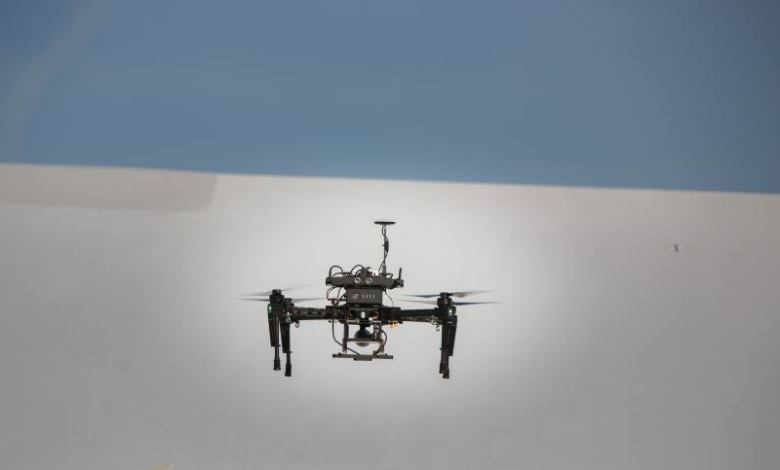
A recent report by Markets and Markets estimates the current UAS market value at $2.24 billion and projects that value to double in the next five years. To tap into this growing industry, Lufthansa Aerial Services, a subsidiary of Lufthansa Consulting, has teamed up with Chinese UAS-manufacturer DJI to develop commercial applications for drones suitable […]

Read More »
News

GA Groups Move To Thwart Privatized ATC Plan

As Congress prepares to debate whether to privatize ATC as part of the upcoming FAA reauthorization process, a number of general aviation groups are asking Congress to allow a full debate of a plan they argue is pushed down the nation’s throat by the airlines. Specifically, the organizations cited concerns over a proposal introduced by […]

Read More »
Features

5 Reasons To Fire Your CFI-I

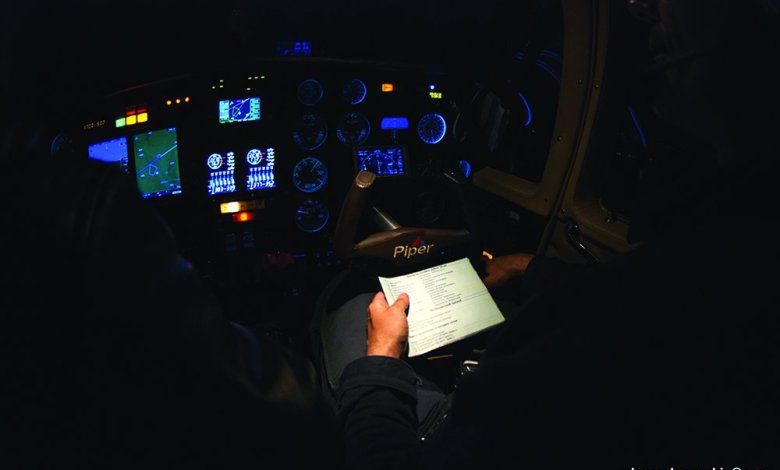
When its time for the instrument rating-the thinking rating-the instructors obligation ratchets up a few notches. An instrument-rated pilot is potentially going to be flying in high-risk environments-night IMC, ice, thunderstorms, approaches to a mere 200 feet above the unforgiving ground-with high workloads and in complex airspace. The instrument instructor must take a VFR pilot-who may have a casual attitude about checklists, systems, weather and risk analysis-and teach some respect for those subjects. He or she must impart the knowledge and skill needed to stay upright in awful weather, plus develop the savvy needed to think so far ahead of the airplane that the pilot is ready for whatever nature, ATC or system failures deal out.

Read More »
Features

Analyzing PBOR2

As long-time readers know, weve been following developments on industry attempts to deregulate the FAAs airman medical certification process. Happily, on December 15, 2015, the full U.S. Senate passed its version of the underlying measure, the Pilots Bill of Rights 2 (PBOR2), by unanimous voice vote. The bill, S. 571, now goes to the U.S. House of Representatives, where its immediate future is uncertain at this writing. The Senates vote to pass PBOR2 comes on the heels of literally years of work by industry organizations, individuals and Sen. James Inhofe (R-Okla.), the bills sponsor, to deregulate, or reform if you prefer, circumstances under which an FAA medical certificate is required for pilots commanding personal aircraft. The PBOR2 legislation builds on more than 10 years of experience with the FAAs sport pilot certification, which merely requires a state-issued drivers license as proof of fitness to fly. The Senate-passed version may actually require pilots to spend more time with their personal physician, reviewing their fitness to fly than before. The sidebar on the opposite page summarizes the bills provisions.


Read More »
Accident Probes

Experimental Aircraft Fatals, New Advisory Circulars, and Avgas 2.0

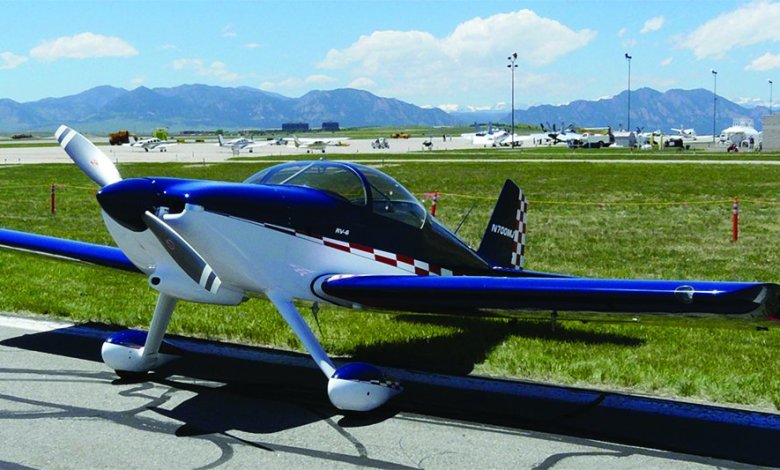
Fatal accidents involving experimental, amateur-built aircraft (EABs) during the 2015 federal fiscal year-October 2014 through September 2015-fell 20 percent from the previous 12-month period. The FAA has published for public comment draft revisions to two ACs, as well as a handful of others useful to GA and other operators. The FAAs efforts to approve a new, unleaded aviation gasoline are continuing, with an ongoing series of lab tests being conducted at the agencys Atlantic City, N.J., research facility.

Read More »
Accident Probes

The Impossible Turn

This magazine often has discussed the so-called impossible turn: returning to the departure runway and landing downwind after an engine failure during takeoff. Our view of the impossible turn is that it is possible, but only with practice, sufficient altitude and some luck. Generally, executing a forced landing straight ahead is preferable to attempting a steeply banked turn at low altitude. This is especially true without engine power or sufficient airspeed above the wings stalling angle of attack to enable the steep turn.

Read More »
Airmanship

Privatize ATC?

Decades ago, when commercial air transportation was first, umm, getting off the ground, it soon became apparent some way to sort and separate the growing amount of traffic was necessary to keep them from swapping paint. The first steps toward a modern air traffic control system were taken before WWII, and the U.S. government quickly began spending money, erecting navigational aids, creating airways and developing procedures to ensure the steady demand for more air travel would not be impeded.

Read More »
Airmanship

Are Two Pilots Better Than One?

The days mission was to coach a friend of mine through his three bangs-and-goes using another friends Cessna 172. Although he had little time, if any, in Cessnas, he was in the left seat. I was serving as PIC from the right. Shortly after we secured the cabin and ran the before-start checklist, the mighty 160-hp Lycoming was happily purring away. We were getting ready to call for a taxi clearance when the engine stopped. No cough, no protest, no warning. What did you do? I asked. Nothing, the bang-and-go candidate responded. So we ran the checklist again. When we came to the floor-mounted fuel selector, I asked, How did the fuel selector get turned off? He said, Its not; I turned it to both before starting the engine and havent touched it since. Houston, we found the problem.

Read More »
Airmanship

Keep Your Aircraft Clean

Ice, snow or frost adhering to our wings and other control surfaces add weight and drag, and can change way air flows over and around the airframe, making an otherwise clean air flow dirty. How dirty? Lets drill down a little bit into the underlying aerodynamics of airframe contamination for a better understanding of what the difference between a clean and contaminated airplane can mean.

Read More »
Airmanship

Your Missing Air Traffic

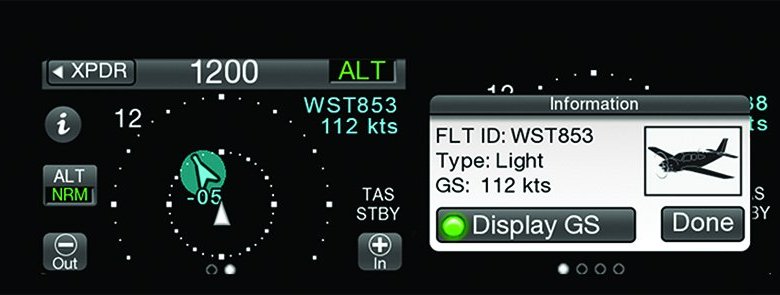
Its not much of a stretch to say that in-cockpit traffic detection technology has never been more prevalent or popular than it is today. From the Boeings and Airbuses required to have a certified TCAS aboard, to the guy or gal banging around in a Cub on a lazy summer afternoon and using the traffic information from ADS-B, its likely some kind of in-cockpit traffic detection technology is available. Theres only one real problem with all of these technologies: theres no way they detect all potential traffic, although some see a more complete traffic picture than others. From that one problem, however, flow two others. The first is the false sense of security even a top-of-the-line system can provide. The second is the extra workload-and especially the additional head-down time-to which pilots are susceptible as they watch the traffic display and not the sky outside the aircraft. But even the best traffic detection and alerting system wont see an aircraft without a transponder, and the traffic information provided via ADS-B has its own set of considerations, which are summarized in the sidebar on the opposite page. Lets take a look at why all this is true.

Read More »
Pilot in aircraft
Sign-up for newsletters & special offers!

Get the latest stories & special offers delivered directly to your inbox.

SUBSCRIBE