Register

Search Results for: general aviation inc

Training & Sims

Flight Traffic Displays

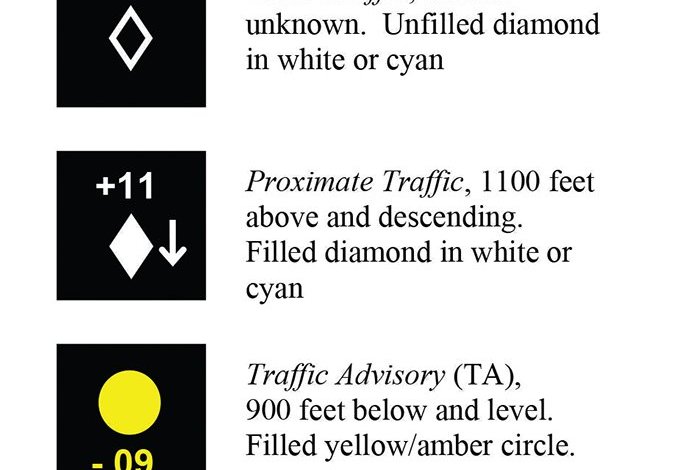
Marginally effective, see-and-avoid is based on the big sky theory; the sky is big and airplanes are small so the chances of running into each other are minimal. Our vision limitations in an airplane combined with massive blind spots foreshadow disaster. In 2014, pilots reported 163 near mid-air collisions. Most involved GA. Who knows how many occurred without either pilot realizing?

Read More »
Weather

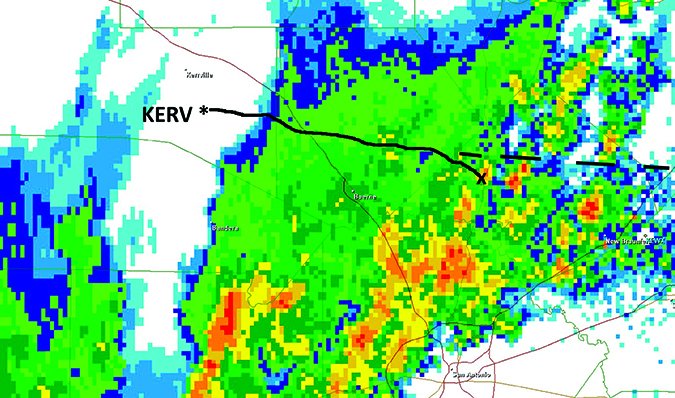
Flying in a Thunderstorm

Pilots get a pass for confessing to the Aviation Safety Reporting System, while the private sector (Embry-Riddle Aeronautical University), not the U.S. government, maintains one of the largest online repositories of NTSB accident documents. Theres no shortage of lessons to be learned and a great culture of diffusing this hard-won wisdom. So, lets delve into a few randomly selected NTSB accident reports, supplemented by any available press stories.

Read More »
News

New FAA Policy Encourages the Use of Safety Equipment

In an effort to encourage the use of non-required safety equipment in general aviation airplanes and helicopters, the FAA has taken further steps to make the installation of such equipment less expensive to the end user. Previously all equipment installed in the airplane had to through arduous certification processes, making the barriers of bringing new […]

Read More »
Pilot Proficiency

High-Altitude Flying: What You Need to Know

The pilots of a Learjet 36 cruising high over Cleveland Center’s airspace are fighting a desperate battle for survival — but they don’t realize it. Suffering the effects of extreme hypoxia in the thin air at 32,000 feet, the copilot is passed out. The captain in the left seat is barely hanging on. Most chilling […]

Read More »
Pilot Proficiency

On the Record: Cessna 421B

The following is an excerpt from official NTSB summaries of general aviation accidents in the United States. NTSB investigators either traveled in support of this investigation or conducted a significant amount of investigative work without any travel, and used data obtained from various sources to prepare this aircraft accident report. Cessna 421B Diboll, Texas/Injuries: 1 […]

Read More »
Pilot Proficiency

On the Record: Piper PA-18-150

The following is an excerpt from official NTSB summaries of general aviation accidents in the United States. NTSB investigators either traveled in support of this investigation or conducted a significant amount of investigative work without any travel, and used data obtained from various sources to prepare this aircraft accident report. Piper PA-18-150 Chuglak, Alaska/Injuries: 2 […]

Read More »
News

FAA Approves Terrafugia Petition for LSA Certification

The FAA says the Terrafugia Transition can now be called a light sport aircraft despite the fact that its maximum weight is 370 pounds greater than the standard LSA 1,430-pound limit. Terrafugia petitioned the agency for the exemption to use the LSA label for a street-legal version of the aircraft back in 2014. Although the […]

Read More »
News

AIAA Panel Sees Light at the End of the Tunnel for GA

A few significant glimmers of hope for general aviation’s future appeared last week during the Aircraft Design and Testing session of the American Institute of Aeronautics and Astronautics (AIAA) panel on “Restoring the Foundation of Aviation.” Held June 16 in Washington, D.C., the panel hoped to add a few badly needed doses of reality to […]

Read More »
Features

As Safe As The Airlines?

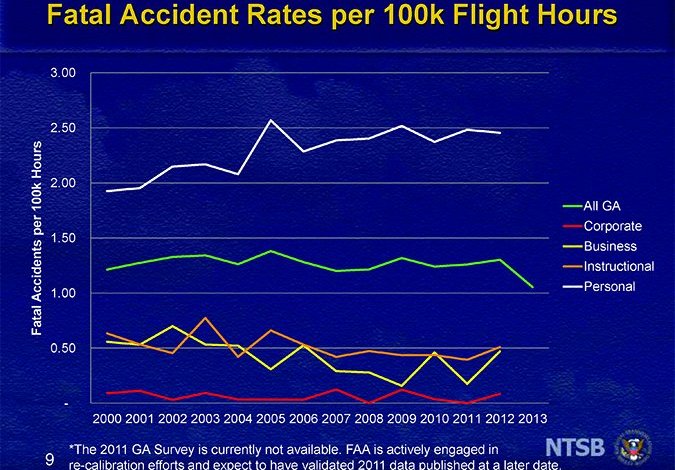
Scheduled passenger airlines in the U.S. have achieved an incredible level of safety. Domestic passenger operations under FAR Part 121 have achieved an unheard-of record: a near-zero fatality rate since 2010. Most of us presume general aviation operations under Part 91 never can approach this level of safety without draconian over-regulation. And most of us may be correct. It was never about the regulations, of course.

Read More »
Features

Course Reversals

The good news about this plan was the VOR/DME procedure we wanted to fly into Winter Haven used LAL as an initial approach fix. The middling news was we were doing this at 2700 feet msl, 700 feet above the minimum crossing altitude at LAL, to stay above KLALs Class D, which tops out at 2600. So Id need to carefully pull the plug after crossing LAL to ensure I could get down to the MDA before getting too close to the airport. But the hold at LAL coming off the miss at VDF had us going the opposite direction, and we were trying to do this on our own, using published procedures.

Read More »
Pilot in aircraft
Sign-up for newsletters & special offers!

Get the latest stories & special offers delivered directly to your inbox.

SUBSCRIBE