









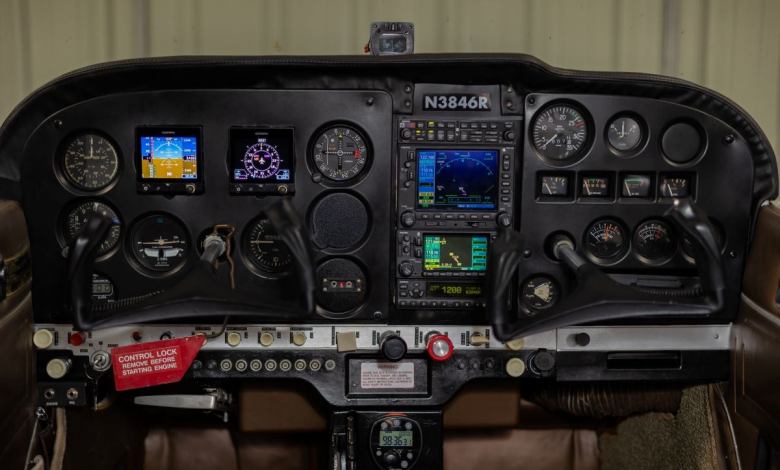
Testing the Hardware After a USM Retrofit
A Cessna 172 takes its first flight after an avionics panel upgrade with used-serviceable material (USM).


A Cessna 172 takes its first flight after an avionics panel upgrade with used-serviceable material (USM).
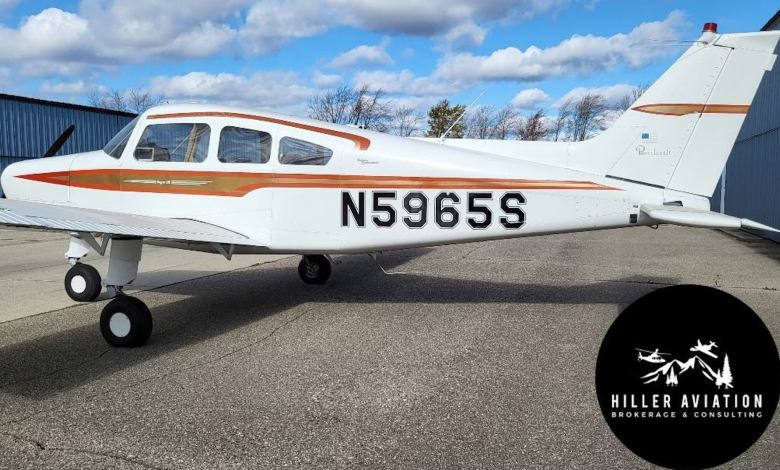
A bit larger than competing Cessna 172s and Piper PA-28s, the Musketeer was a comfortable family airplane.
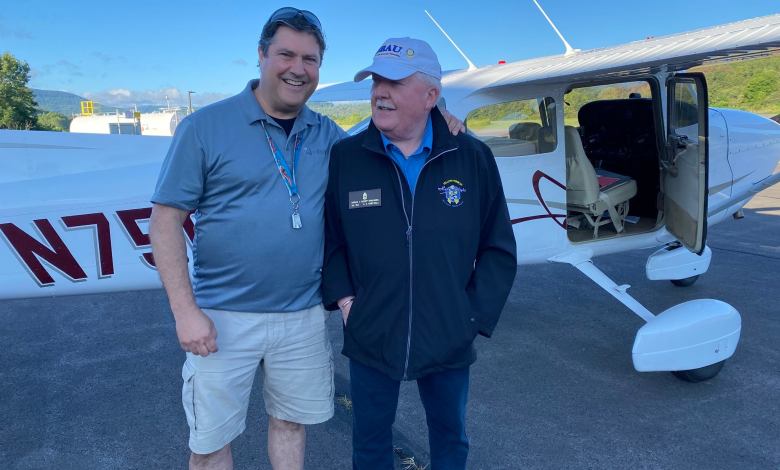
Updated GPS and a moving map display were a game changer when a Cessna 172N engine lost power.
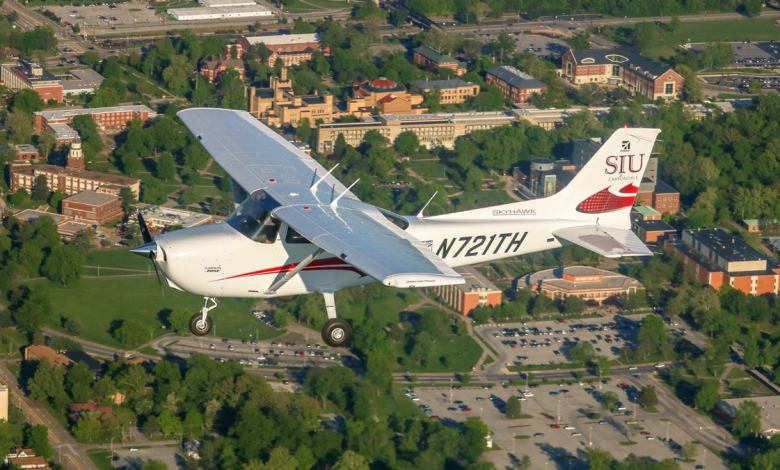
The university’s aviation program is set to take delivery of seven new Cessna 172s this week.
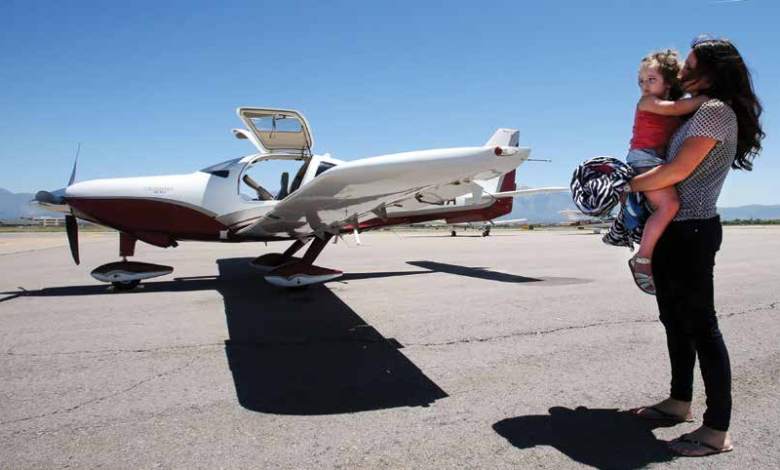
Squirreled away in a shoe box somewhere, I have a 3 x 5 print (remember those?) of my then-infant son bundled into the back seat of a Cessna 172. It was his first flight, and Im proud to have been the pilot to initiate him, even though he doesnt remember it. I dont have a formal record, but both he and my slightly younger daughter have since logged enough time as my passengers to easily meet the minimum total time required for a private certificate. But before that first flight, his mother and I researched what steps we could take to make it successful.
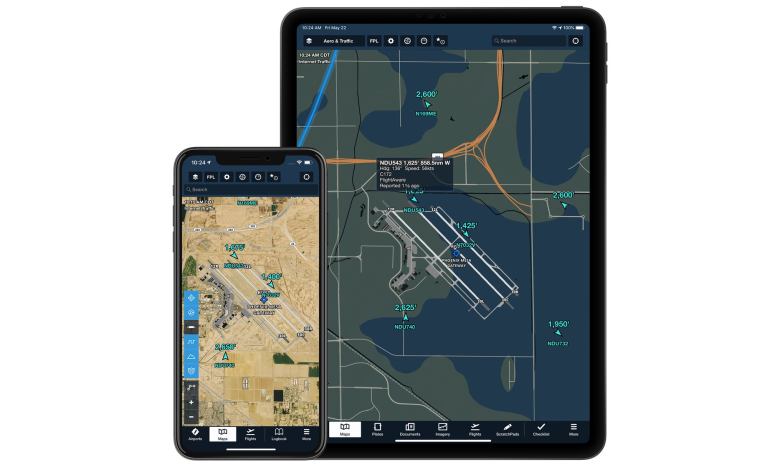
A pilot-buddy and I were flying two airplanes to the runway at Cape Hatteras, N.C., to spend the day on the beach. Both my rented Cessna 172 and his recently purchased Piper Warrior were loaded with people and gear for the trip, and we both had departed with restricted fuel. Wed hooked up en route at a prearranged time, location and altitude, and were chatting back and forth on the air-to-air frequency. Plan A was to stop in Elizabeth City, N.C., and take on enough fuel for each of us to get back to our respective bases that evening without stopping.
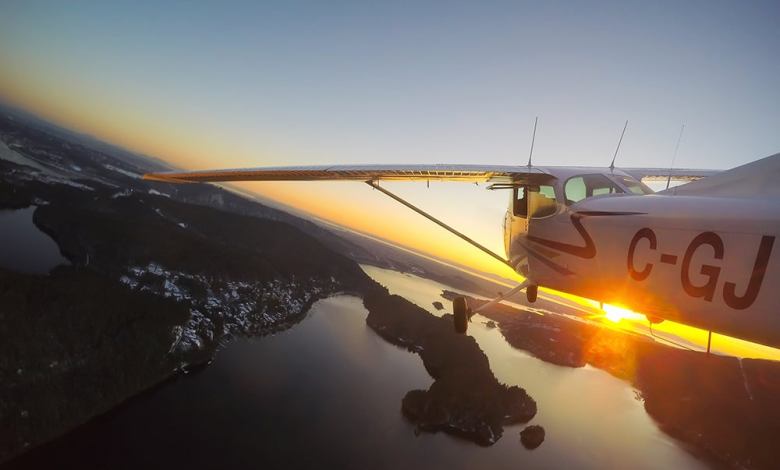
Pilots like to fly low, so what can we learn from this 2017 Cessna 172 accident?
At my home field in Farmindale, NY, (KFRG), one Sunday I was entering the pattern after a long trip. A student soloing in a Cessna 172 was in the pattern doing touch-and-goes. I heard the following exchange.Republic Tower: Cessna Two Six Seven Three Bravo, cleared for touch and go. Make right traffic and report the downwind.
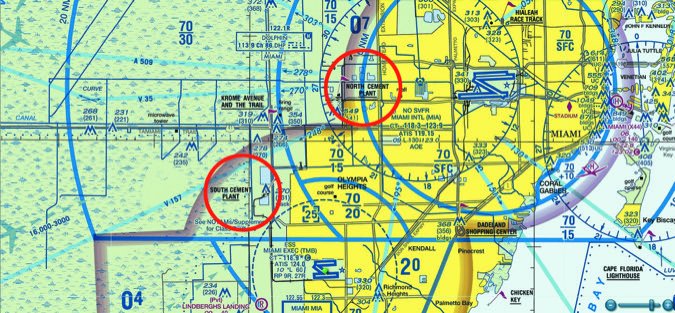
I was southbound on a solo cross country flight before getting my license, returning to Miami Executive Airport (KTMB). The ceilings and visibility were dropping and I was down to about 1500 feet over the Everglades swamplands. I navigated using roads and other VFR checkpoints, which were getting harder to see out the Cessna 172s windshield.
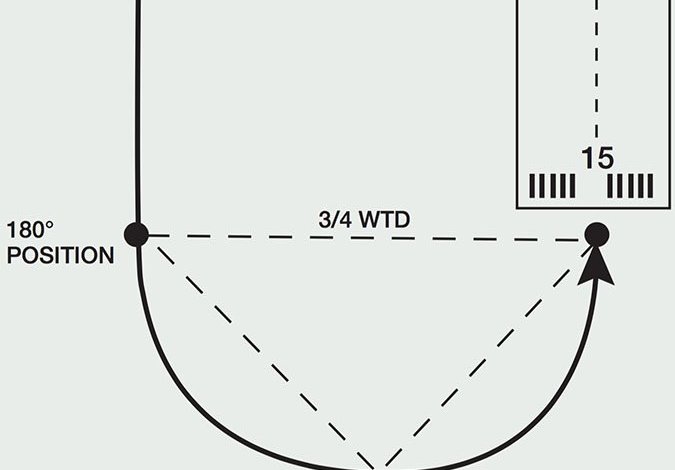
I own and fly a Cessna 172, and a curved pattern (Circular Patterns, March 2017) would not be an advantage as I would not see the runway until I came out at the end of the turn. I realize the military used this approach but as you know they have very few high-wing aircraft. Also, you would not be able to see if another aircraft cut you off until the last moment. Why change something that has been working just fine?

Get the latest stories & special offers delivered directly to your inbox.
SUBSCRIBE