









On The Air: December 2019
Thankfully, I have never had to respond to those foreboding words from ATC: …say souls on board. However, I do remember one flight, where I might have had trouble explaining myself if they had requested that information.


Thankfully, I have never had to respond to those foreboding words from ATC: …say souls on board. However, I do remember one flight, where I might have had trouble explaining myself if they had requested that information.
“Aviation was a career change for me,” says Scott Foppe. “I traveled a lot as kid and was always fascinated whenever I was able to look at the flight deck. I had always wanted to be a pilot, but never thought it was possible. It wasn’t until later in life that the industry changed and […]

My circuitous path to the left seat of a seven-seat, million-dollar-plus, jet-A-burning Diamond DA62 twin didn’t come to fruition overnight. In fact, it took several years for me to arrive at this point. It all started with a chance encounter back in the summer of 2011, before the DA62 even existed as a certified product. […]
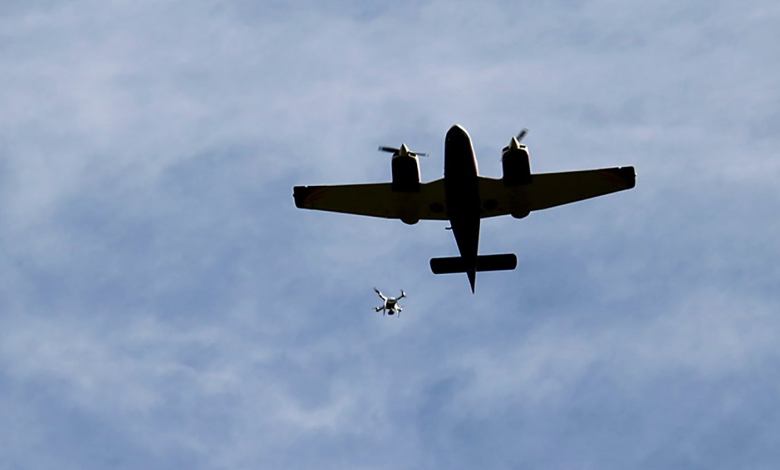
An airborne human-factors experiment conducted by researchers from Oklahoma State University and Embry-Riddle Aeronautical University concluded in a recent published study that certificated pilots failed to see a common type of quadcopter during approach to a runway, and in most cases, could never detect motionless drones. In the testing, skilled pilots usually could see small […]
At least in North America, that also can be the dead of winter for many locations, and the personal airplanes many of us fly just arent equipped to cope. For example, and other than a warm pitot tube, they generally lack anti-ice equipment. They likely may not have the range or endurance to reliably avoid weather, or retreat to solid-gold alternates. For non-instrument-rated pilots, the challenges can be even grimmer: Low ceilings and visibilities can wreck carefully made schedules by forcing us to stay on the ground.
After overflying the destination runway, the crew made a steeper-than-normal approach to the 3880-foot-long runway due to terrain. According to the captain, a bump was felt near the threshold during the landing but it was not extreme. As the propellers were reversed, the airplane veered to the right. The crew corrected and the airplane tracked straight for about 2000 feet before veering sharply right, exiting the runway and spinning 180 degrees. Inspection of the runway threshold revealed several four-foot-tall piles of rocks and dirt.
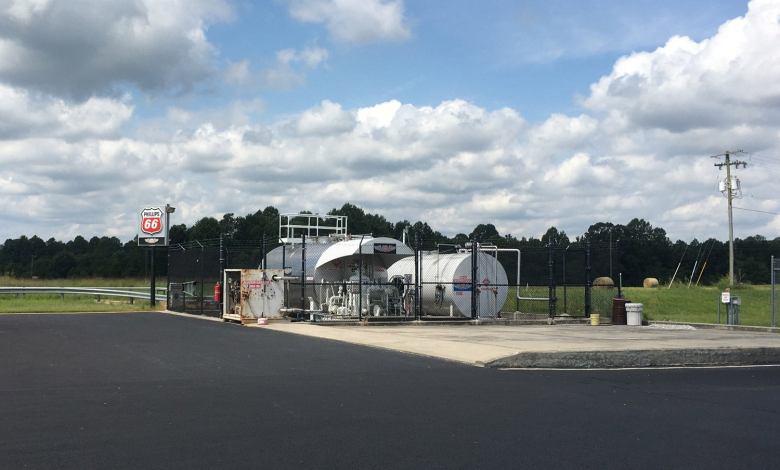
With a growing number of light aircraft taking on jet-A instead of avgas—from a diesel-powered Cessna 172 to the single-engine Cirrus VisionJet—a prudent pilot stays on guard to supervise fueling if at all possible. But anecdotally speaking, many of us have operated under the impression that misfuelling a piston airplane burning 100LL with jet fuel […]
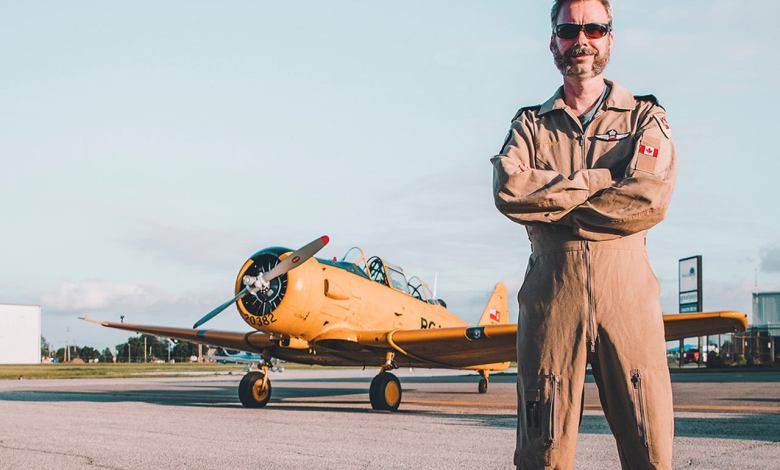
“Today, I’m not only going to give you the problems, I’m going to give you the solutions.” When a pilot hears those words from an instructor before launching into a flight review—what can be a pedestrian exercise at best—that pilot knows this session will be different. Steve Thorne didn’t have to fly all the way […]
One special category of pilots are those for whom going fast is important. Why? Because speed is relative. At altitude on a severe clear day, there’s little sensation of speed. We have to get close to something before our speed becomes apparent. And the risk with getting close to something is we might hit it. While untrained pilots who engage in such risky behaviors aren’t the norm, there’s enough of them that the practice has its own term: unwarranted low flying. Its use apparently has fallen out of favor, but the phrase “unwarranted low flying” has populated numerous NTSB reports over the years.
The pilot purchased the airplane the day prior to the accident. He departed the airport and performed maneuvers in the local area, then returned and completed four normal wheel landings. On the fifth landing, at about 30 mph, the tailwheel settled to the runway. When the tailwheel touched down, the pilot stated he felt a rumble “like a machine gun” and the airplane veered to the right. He applied left rudder, and the airplane subsequently veered left off the runway, the right main landing gear collapsed and the right wing spar sustained substantial damage when it impacted terrain. Examination revealed the tailwheel was cocked to the right, perpendicular to the fuselage.

Get the latest stories & special offers delivered directly to your inbox.
SUBSCRIBE