











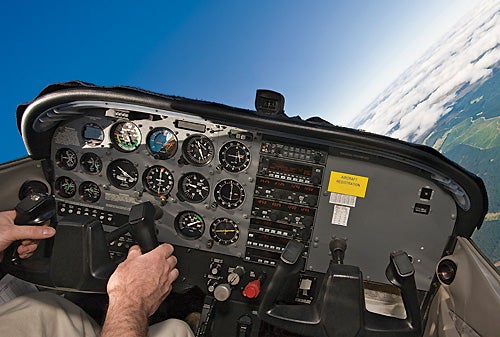


A pilot was climbing through 800 feet in instrument conditions in a Cirrus SR22 when he reported that his vertical speed indicator was jumping between zero and 2,000 fpm. Shortly after that, his altimeter began acting erratically, with large deviations. The pilot requested to return to his departure airport. Then he reported his attitude indicator did not agree with his turn coordinator, followed by a report that he was losing his instruments and was going to activate the airplane parachute system. The airplane was substantially damaged when it came down in some trees, but the pilot escaped injury. The NTSB determined that water in the static system from washing the airplane caused the erratic indications.
One of the mantras drilled into our heads is “always trust your instruments.” For pilots who go on to get their instrument rating, the message becomes even more serious: “If you don’t trust your instruments, you will lose control and possibly die.” Over the years, and hundreds or even thousands of hours, trusting the instruments becomes second nature. Our brains can take in the information from a number of different sources on the instrument panel and form a very accurate picture of what the airplane is doing at any given moment and what effect any control inputs we make will have.

