













Register

Readback: January 2016

IFR reader feedback from January's issue. Covers ICAO flight plans, Class D airspace handoffs, TSO requirements, and runway approach authorization.

Gemini Sparkle

Key Takeaways:

  • Implementation of ICAO flight plans for U.S. general aviation is still in flux, with ongoing confusion regarding equipment codes (e.g., "G" vs. "B") and the applicability of various FAA and ICAO guidelines for domestic flights.
  • Pilots are solely responsible for establishing communication with air traffic control prior to entering controlled airspace, even when anticipating a handoff between adjacent airspaces.
  • TSO (Technical Standard Order) requirements for aircraft equipment vary significantly, with experimental aircraft having more flexibility for basic flight instruments than certified aircraft, though essential navigation/communication equipment still requires TSO.
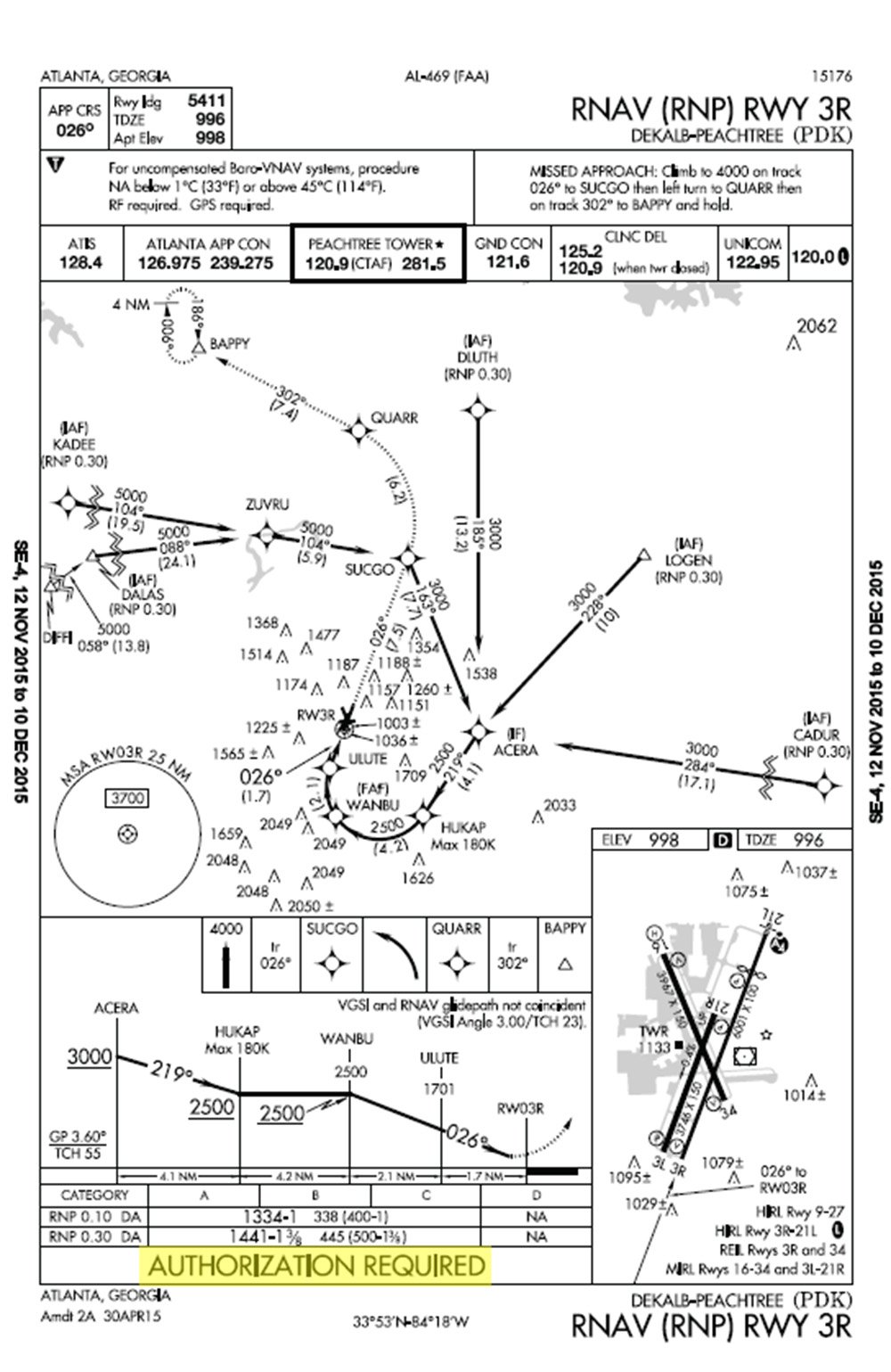
  • General aviation pilots, even with WAAS-equipped aircraft, face substantial regulatory and equipment barriers, such as needing specific LOA C384 authorization, dual autopilots, and an Inertial Navigation System, to fly RNP AR approaches.
See a mistake? Contact us.

ICAO Flight Plan Chaos

Jordan Miller’s September 2015 article about ICAO Flight Plans was timely and necessary, but needs updating. First would be a statement that implementation for GA is still in a state of flux. There’s now at least a six-month delay to iron out some of the many kinks.

I found no mention of DOT/FAA Order JO7110.10X. That should be our primary reference because it has the FAA’s understanding of what everything means.


Ready to Sell Your Aircraft?

List your airplane on AircraftForSale.com and reach qualified buyers.

List Your Aircraft
AircraftForSale Logo | FLYING Logo
Pilot in aircraft
Sign-up for newsletters & special offers!

Get the latest stories & special offers delivered directly to your inbox.

SUBSCRIBE