Radio communication is a significant challenge for many pilots, leading to anxiety that can cause them to avoid certain airspace or alter flight plans.
Effective preparation for potential radio failure is crucial, including thorough training in radio procedures, memorizing light gun signals, troubleshooting techniques, and carrying backup equipment like handheld radios.
Practical experience, such as actively practicing radio troubleshooting and experiencing light gun signals from air traffic control, builds essential confidence and competence for real-world flight scenarios.
Learning to talk on the radio and be comfortable with it is one of the more challenging aspects of learning to fly.
Most pilots fall into one of two camps: If they trained at a towered airport, they may be anxious about flying at a nontowered airport. If a pilot trains at a nontowered airport, they may be anxious about flying at a towered airport.
CREATE A FREE ACCOUNT
Sign up to keep reading
Create a free account to continue. Already a member? Sign in below.
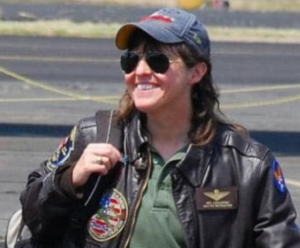
Meg Godlewski has been an aviation journalist for more than 24 years and a CFI for more than 20 years. If she is not flying or teaching aviation, she is writing about it. Meg is a founding member of the Pilot Proficiency Center at EAA AirVenture and excels at the application of simulation technology to flatten the learning curve. Follow Meg on Twitter @2Lewski.