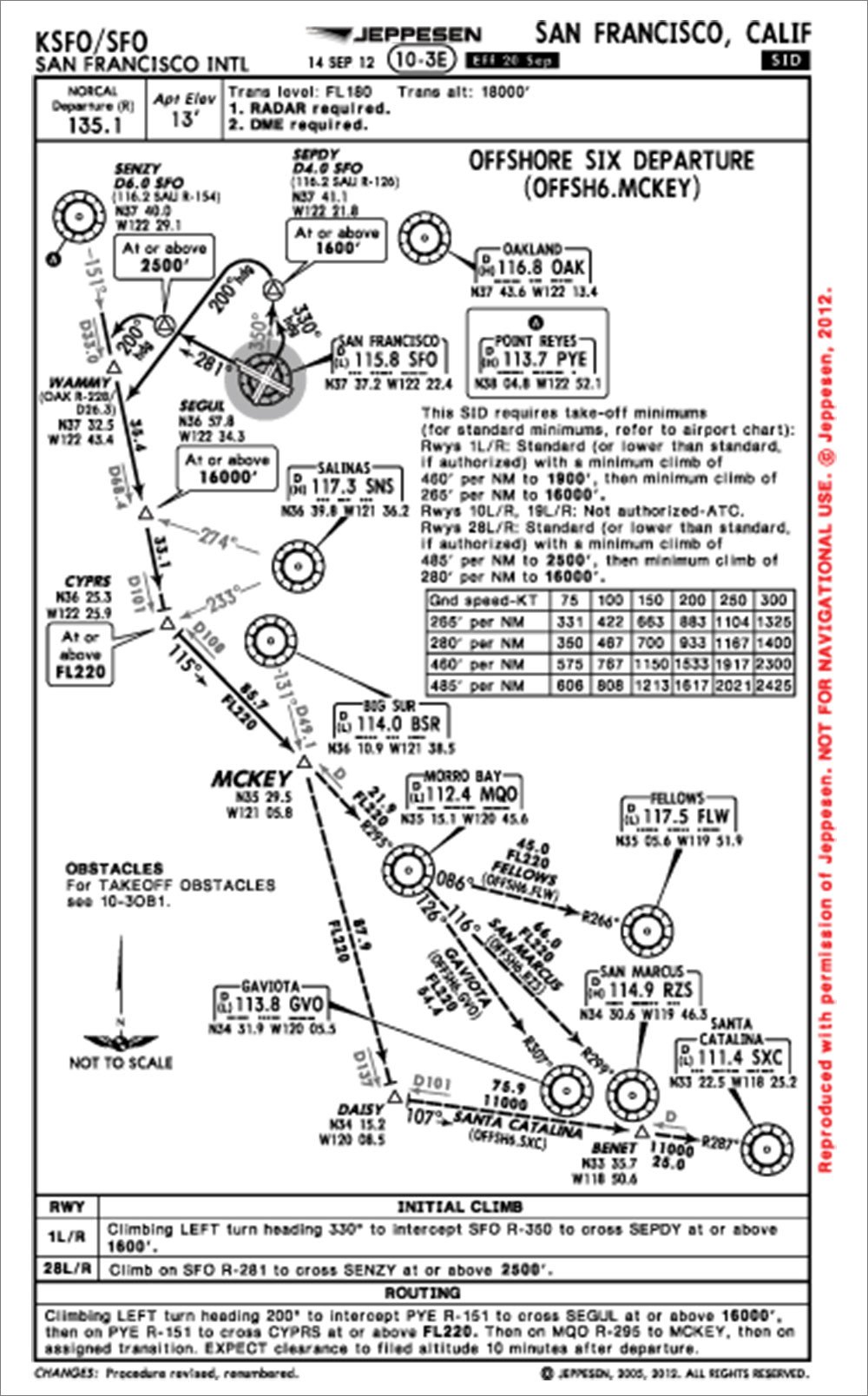
Fly IFR in busy airspace and eventually youll have one of those much ado about nothing experiences. It starts with a clearance you dutifully put in your navigator-and then repeatedly change or completely ignore until you get a clearance to resume the plan you were given at the start.
IFR flights often involve frequent Air Traffic Control (ATC) vectors and altitude changes, leading to deviations from initially filed and loaded departure procedures.
Modern GPS/RNAV systems load detailed procedures, including RNAV-specific fixes, but don't automatically adapt when ATC vectors pilots off a published departure.
Pilots must understand their navigation system's behavior when interrupted by ATC, knowing how to manually activate a new leg or direct the system to follow current instructions rather than trying to fly bypassed waypoints.
Fly IFR in busy airspace and eventually you’ll have one of those “much ado about nothing” experiences. It starts with a clearance you dutifully put in your navigator—and then repeatedly change or completely ignore until you get a clearance to resume the plan you were given at the start.
CREATE A FREE ACCOUNT
Sign up to keep reading
Create a free account to continue. Already a member? Sign in below.