











We all have had a life experience or two in which we “should have known” about the results of a decision and could kick ourselves for not heeding our instincts. When it comes to flying safely, the need to follow those internal alarms is all the more important. For example, there is a big difference between instrument flying where we need to faithfully heed the data on the panel in spite of our inner ear sensations and the attention we should pay to our “sixth sense” of self- 288
Proper Maintenance of Your Aircraft
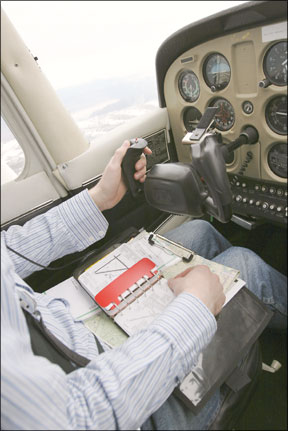
We all have had a life experience or two in which we "should have known" about the results of a decision and could kick ourselves for not heeding our instincts. When it comes to flying safely, the need to follow those internal alarms is all the more important. For example, there is a big difference between instrument flying where we need to faithfully heed the data on the panel in spite of our inner ear sensations and the attention we should pay to our "sixth sense" of self-preservation when we get hints from the aircraft systems that something isnt right. We often fly with other pilots and, depending on our role in the cockpit, we may notice more or less about the aircraft or environment. When a system offers up a hint, we analyze it and take some action, but do we take enough action or give enough credence to our sixth sense of feelings about the potential impact on the flight? Can that inner warning be "waived off" by a casual remark from the other pilot or a controller? Lets look at some instances and examples.

Key Takeaways:
- Pilots must prioritize their "sixth sense" and subtle cues from aircraft systems, as dismissing minor anomalies can mask progressive and potentially catastrophic failures.
- The author's experience with a failing electrical system, initially brushed off by a co-pilot, demonstrates the danger of ignoring early warnings until they escalate to critical levels.
- The article also highlights the importance of independently verifying navigation data and not blindly trusting external assurances (e.g., ATC, other pilots) when instincts or available data suggest a problem.
- Pilots should critically evaluate "don't worry about that" comments, considering the source's judgment and shared risk, and conduct further investigation or troubleshooting when concerns persist.
Key takeaways sponsored by Aviator Pro | Start Your Training ->
See a mistake? Contact us.

