














Register

Prop Safety: Treat Spinning Blades With Respect

It is not just sharp propeller edges that can hurt you when the engine is off.

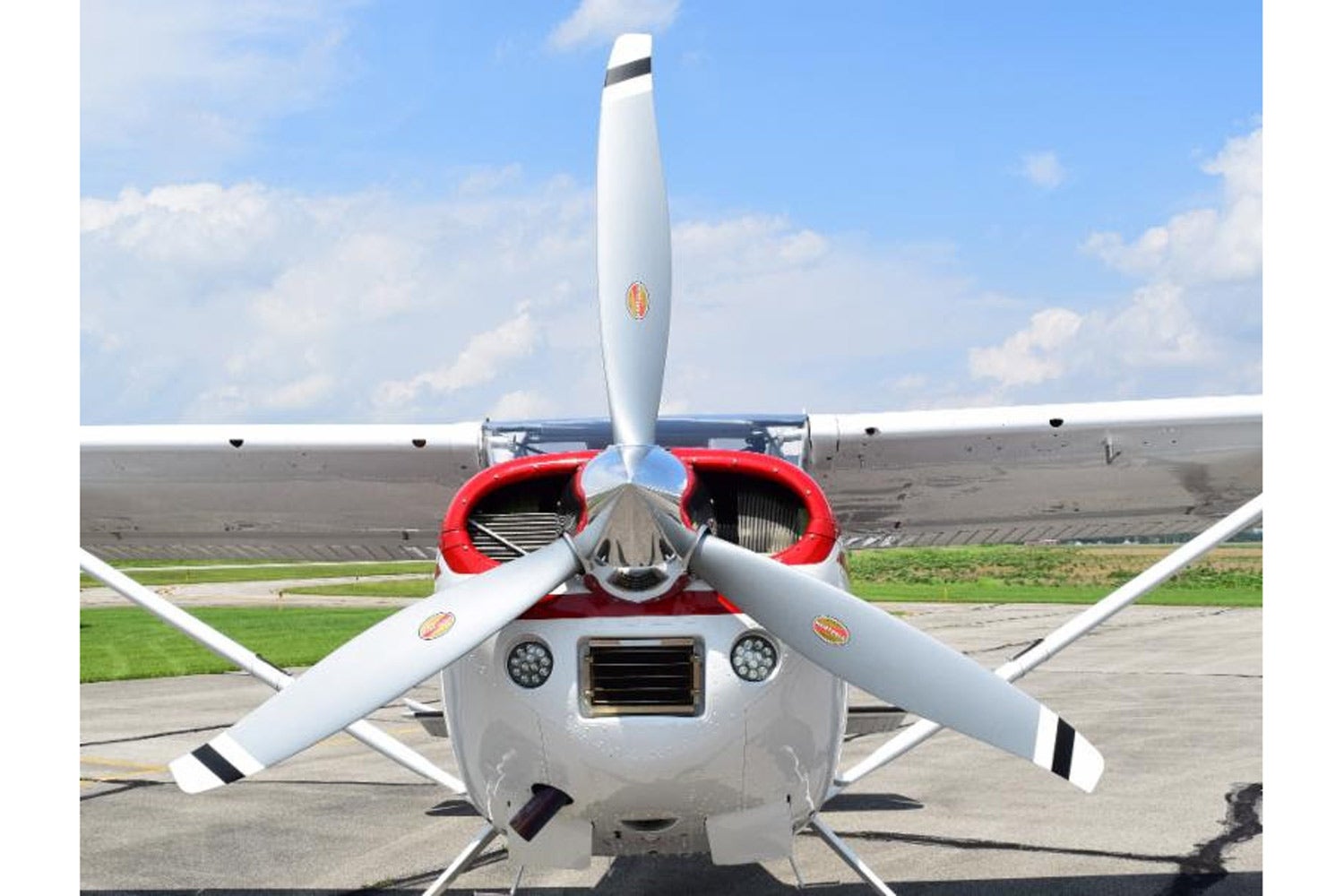
Although you shouldn't be afraid of the propeller, you should understand what it is capable of doing—and never ever become complacent. [Courtesy: Hartzell Propeller]
Gemini Sparkle

Key Takeaways:

  • Treat even a still propeller with extreme caution due to sharp blades and the risk of unexpected movement ("kicking") if magnetos are on or fuel is present; always rotate it backward for repositioning.
  • The greatest risk comes from a turning propeller; ideally, passengers should board or deplane only when the engine is off. If hot loading, passengers must be escorted and always approach and depart from the rear of the aircraft, never walking towards the front.
  • Hand propping is a specialized and dangerous procedure requiring two properly trained individuals, strict adherence to safety protocols (e.g., chocks, secure footing), and often specific approval from flight schools or clubs due to insurance liabilities.
  • Avoid posing for or publishing photographs that show people in the prop arc or with their hands on the propeller, as this promotes dangerous complacency and sends a misleading message about propeller safety.
See a mistake? Contact us.

The learner stood in front of the airplane, checklist in hand as he performed the preflight inspection. 

He double checked that the magnetos were off before moving to the front of the aircraft. The propeller of the Cessna 172 was in the horizontal position so he did not have a clear view of the engine compartment, nor could he see the alternator belt in order to inspect it. He was reluctant to get too close to the propeller as he had been reading about propeller safety—but how was he to finish the inspection without getting close to the prop? This led to a discussion about how to treat a propeller—I submit it should be treated like a big dog that you do not know—it could do something unexpected that could hurt you, so give it the respect it deserves.


Meg Godlewski

Meg Godlewski has been an aviation journalist for more than 24 years and a CFI for more than 20 years. If she is not flying or teaching aviation, she is writing about it. Meg is a founding member of the Pilot Proficiency Center at EAA AirVenture and excels at the application of simulation technology to flatten the learning curve. Follow Meg on Twitter @2Lewski.

Ready to Sell Your Aircraft?

List your airplane on AircraftForSale.com and reach qualified buyers.

List Your Aircraft
AircraftForSale Logo | FLYING Logo
Pilot in aircraft
Sign-up for newsletters & special offers!

Get the latest stories & special offers delivered directly to your inbox.

SUBSCRIBE
