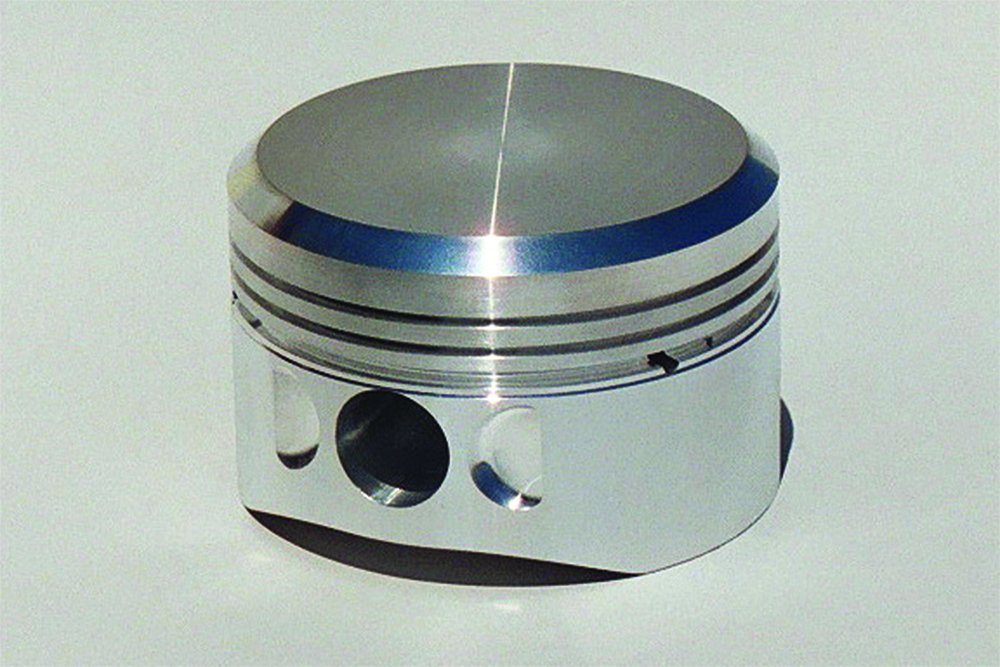
During oil and filter change, chips and large metal pieces were found. During an annual inspection, the engine oil quick drain valve was blocked with debris. About a dozen pieces of what appeared to be piston ring pieces were removed. While performing a condition inspection, a crack was found on #6 intake. After takeoff, the crew noted engine vibration and lack of power. Inspection revealed excessive oil in the engine area and on the aircraft belly. After a precautionary landing due to power loss, a compression check showed zero on cylinder A4.
Common engine failures involve broken piston skirts or seized/stuck piston rings, which frequently result in severe damage to internal engine components like cylinders, crankshafts, and connecting rods.
These issues can manifest through obvious symptoms like metal debris in oil, power loss, or vibration, but sometimes initial diagnostics such as oil samples or compression checks may appear normal despite significant internal damage.
Piston and ring failures are observed across various engine manufacturers (Continental, Lycoming, Packard) and at a wide range of operating times, from as few as 42 hours to over 1000 hours.
During oil and filter change, chips and large metal pieces were found. Investigation revealed the #2 cylinder’s piston skirt had broken off, including a piston ring, causing severe damage to the cylinder, camshaft, crankshaft, crankcase and connecting rods.
Part Total Time: 205.0 hours
CREATE A FREE ACCOUNT
Sign up to keep reading
Create a free account to continue. Already a member? Sign in below.