Pilot Proficiency

Not Enough Departures

The ATC Handbook, FAA Order 7110.65, Paragraph 4-2-8 directs controllers to ask this of VFR aircraft seeking an IFR clearance in the air until they reach the minimum IFR altitude (MIA), typically, ATCs minimum vectoring altitude or the published MEA. If the pilot is able to maintain terrain and obstruction separation, the Handbook states, issue the appropriate clearance… If unable to maintain terrain and obstruction separation, instruct the pilot to maintain VFR and to state intentions.

Read More »

Avionics Human Factors

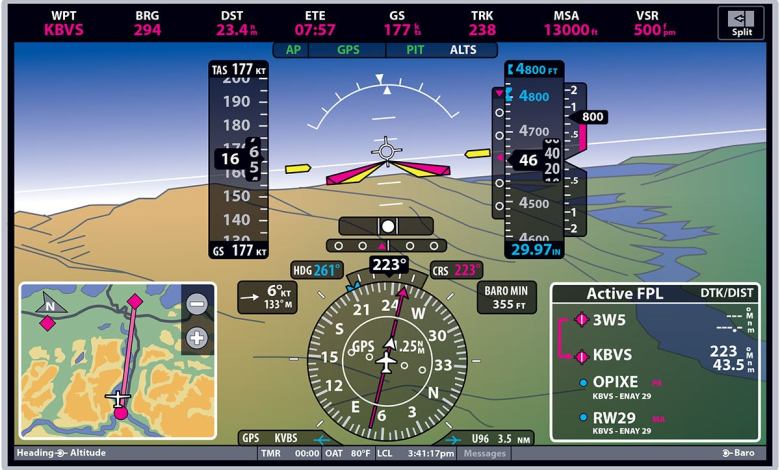
Pilots were (and still are) over using automation, resulting in too much head-down button-pushing. The result was (is) an increase in situational awareness errors and loss-of-separation in particular. One flight crew got so absorbed entering a simple runway sidestep that they landed without a clearance. As the presenter advised, sometimes its better to reduce the level of automation for a given task. He summed it up nicely-were pilots, not automation managers; fly the plane first and keep up those manual skills.

Read More »

Weather Rules of Thumb

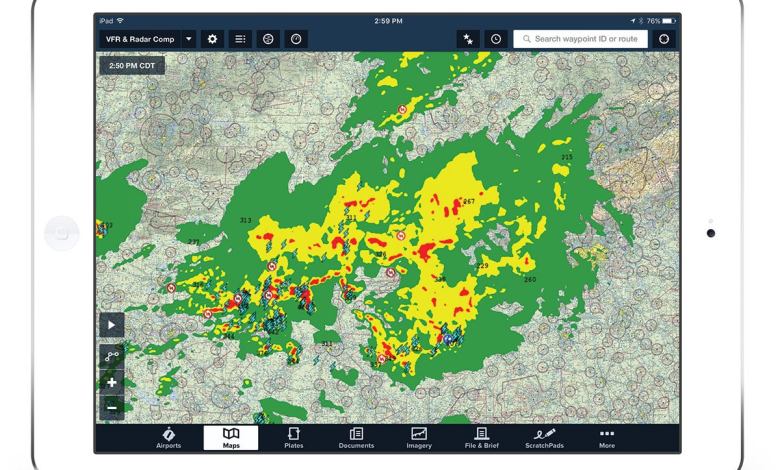
All of these have different scales, ranging from hours and a few miles with the mountain breeze to thousands of miles and days to weeks with trade winds. Knowing which circulation normally affects your weather and which is dominant at the moment is what I would call one of the secrets to understanding the forecast. If the wind direction is normally 150 degrees on September afternoons, seeing 120 degrees tells you the wind is driven by something different.

Read More »

On The Air: October 2018

Last week my wife and I departed Deer Valley Airport, in Phoenix in our Cessna 177RG. Before departing we received a complicated taxi clearance to what looked like a parking lot at the end the active runway. Deer Valley calls itself the busiest general aviation airport in the country with lots of flight training. The parking lot was just a run-up area, able to handle lots of planes.

Read More »

Where Have All the Electrons Gone?

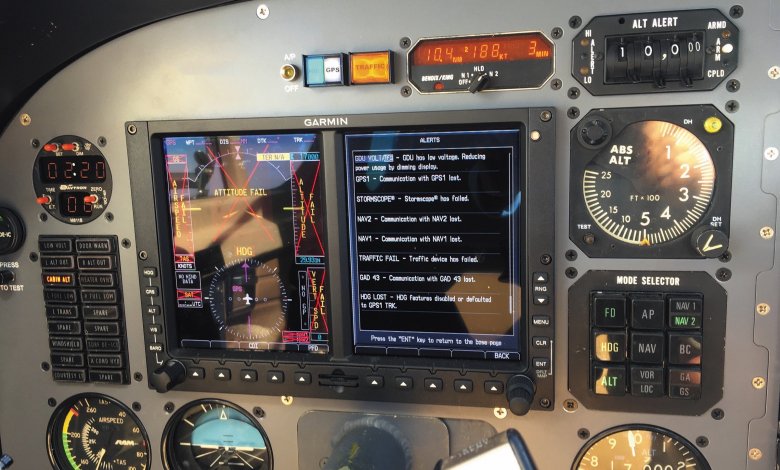
It wasn’t long after takeoff that I noticed that my ammeter showed a steady discharge of 3 or 4 amps. The ammeter reads charging current going to the battery, and so it ought to show 10 or 15 amps at first, gradually diminishing as the battery regains the energy it expended during start-up and taxi. […]

Read More »

Don’t Always Keep On Keeping On

I have been thinking about some fascinating but challenging situations — events you hope never to encounter that involve decisions and require reactions to life-or-death consequences. “When to give up,” a decision not naturally part of most pilots’ DNA, has been rattling around in my brain for a long time, so here goes. Two events […]

Read More »

A Quest for Flight Across Two Continents

Summer, glorious summer! It snuck right up on me. Sailing the relentlessly sunny Caribbean for seven months aboard Windbird, the pageantry of northern seasons played out distantly across the flickering screens of muted beach-bar TVs: Halloween horror flicks, cable-news Snowmageddons, Yankees-Red Sox at Fenway Park. So when Dawn and I hurricane-prepped and hauled Windbird at […]

Read More »

Seeing Flying with Fresh Eyes

There was a lot of blood in the water as we flew over the bowhead whale being harvested for the sustenance of the native Inupiat community of Barrow, Alaska. It was a thought-provoking and broadening experience of the type we found we were having regularly after we began flying our own airplane for transportation. Personal […]

Read More »

When a Bird Strike is Worse than You Think

As we taxied in, Roland, whom I’ve known for 35 years, marshaled us slowly, almost solemnly, with a look of anguish on his countenance. It was immediately clear that things were worse than I thought. He pointed his orange wand at the right wing and shook his head. I knew we had hit a bird. […]

Read More »
Pilot in aircraft
Sign-up for newsletters & special offers!

Get the latest stories & special offers delivered directly to your inbox.

SUBSCRIBE