Register

Pilot Proficiency

Unusual Attitudes: An FAA Inspector’s Winding Career Path

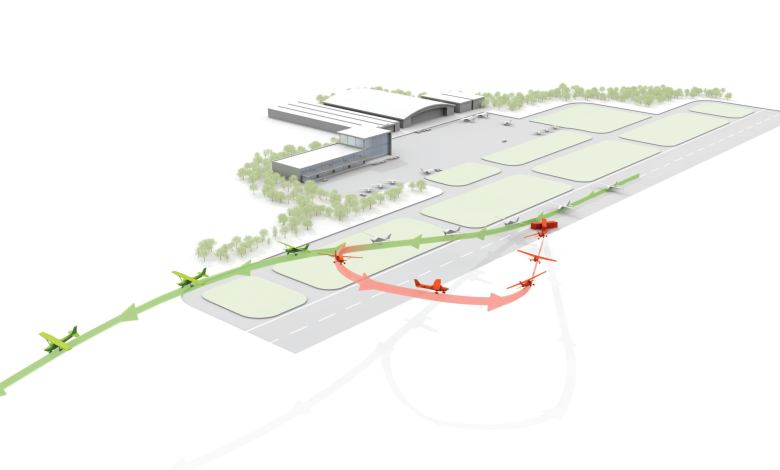
After my purgatory in West Chicago and three mostly great years in the Indianapolis FSDO, the FAA offered a transfer to Cincinnati. It was a bittersweet decision, and my boss, Jay Peterson, rather obliquely suggested I might want to stay put. He understood I was anxious to get back home, but he also knew the […]
Read More »

Prepare for the Check Ride, Part 1

When you took the exam to get your pilot certificate, you were asked questions that perhaps did not relate to the realities of everyday flying. You got the written test out of the way and promptly forgot the stuff that didn’t seem important. Now, with new test standards due out soon, there’s a solid link […]

Read More »

How It Works: BRS Aircraft Parachute

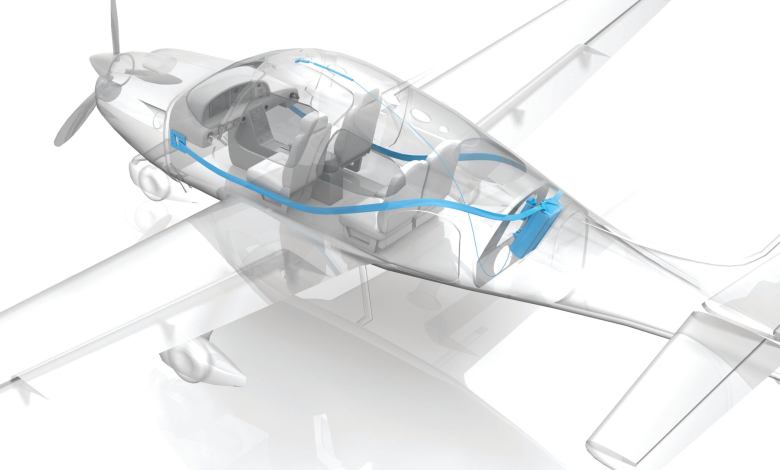
According to BRS, tests have shown that its parachutes can be pulled and still fully inflate at altitudes as low as 260 feet and speeds as high as 187 knots. Individual pilots have testified that they successfully deployed their chutes ­below 100 feet. BRS does not provide a specific minimum-altitude limitation (Cirrus recommends a minimum […]

Read More »

Introducing Graphical Forecasts for Aviation

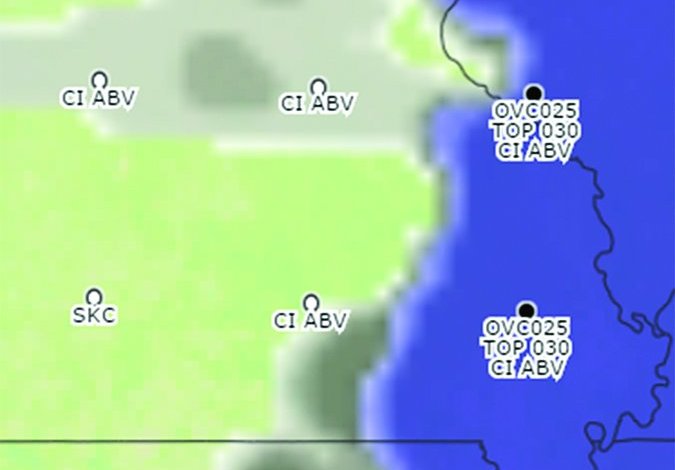
In the summer of 2014 the FAA published in the Federal Register its intent to do away with the Area Forecast (FA) and replace it with digital and graphical alternatives. The agency wrote that the FA was a broad forecast of limited value and that existing, better, alternatives existed.

Read More »

Wake Turbulence: Silent But Deadly

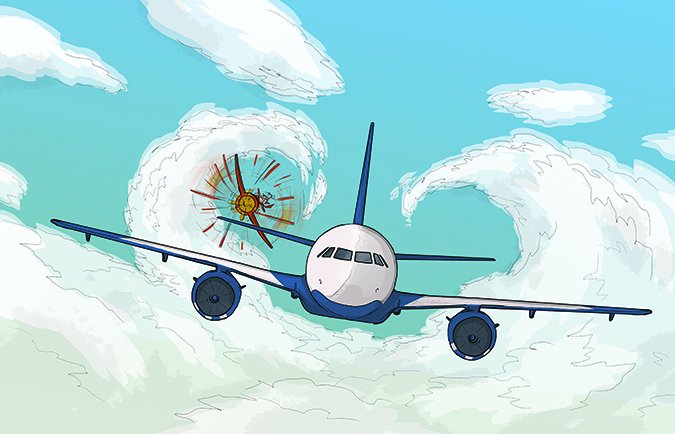
A low morning fog crept onto the airport as I cleared a CRJ-900 regional jet for takeoff. The RJ lifted, passing just above the vaporous wall, and I switched him to Departure. I waited, watching for something I dealt with every day as an air traffic controller, but had never witnessed.

Read More »

Getting Blasted

Wingtip vortices aren’t the only type of disturbed air concerning pilots and controllers. According to the 7110.65’s Pilot/Controller Glossary, wake turbulence includes “thrust stream turbulence, jet blast, jet wash, propeller wash, and rotor wash both on the ground and in the air.” If an airplane’s got an engine, that engine’s going to move some air, […]

Read More »

Taking Wing: Touring America by Air

It’s a basic fact of aviation: Airplanes love to be flown. When they sit, bad things happen. Engines corrode, critters set up residence and basic maintenance gets neglected until the airplane finally flies, at which point expensive stuff breaks. Hourly costs skyrocket, and the crestfallen owner flies even less. When I bought my 1953 Piper […]

Read More »

Cirrus Rethinks Approach to Transition Training

Specialized flight training has long been part of the typical transition process for pilots moving up to ever-faster and more capable airplanes. A rash of fatal SR22 crashes in 2012, however, forced Cirrus Aircraft to go back to the drawing board and completely rethink its approach to training. Nothing was out of bounds, from the […]

Read More »

Aftermath: Into the Soup

The following is an edited transcript of communications between 
Colorado Springs Approach Control and Tower and the pilot of a Mooney M20E arriving on an IFR flight plan from Rapid City, South Dakota. 869: Springs Approach, Mooney 79869, checking in 10,000 with Sierra. APP: 
 Mooney 79869, Springs Approach, 
expect an ILS Runway 17L. 869: […]

Read More »

Sky Kings: Prevent Loss of Control by Managing Risk

It was the slightest of rumbles. Both John and I felt it. John, who was at the controls, eased the yoke forward slightly and the rumble stopped. We landed and taxied to the ramp. We had an airplane full of pilots, but no one else had felt the rumble. It was the aerodynamic warning of […]

Read More »
Pilot in aircraft
Sign-up for newsletters & special offers!

Get the latest stories & special offers delivered directly to your inbox.

SUBSCRIBE