Pilot Proficiency

Pilot’s Discretion: Fifty Shades of Flying

I’ve seen enough over the past few years to reach the conclusion that self-driving cars going mainstream is now a matter of when rather than if. The advanced technology in today’s production vehicles is helping to pave the way. While I haven’t had the chance to use the autopilot feature in a Tesla electric vehicle, […]

Read More »

An Airline Pilot Evaluates ‘Sully’

As an airline pilot, I was anxious to watch Sully. Finally, I could attend an aviation movie without my wife having to bear witness to eye-rolling and corrective commentary. Most likely, as a Flying reader, you have already seen the film; if you haven’t, consider this a spoiler alert. Regardless, I thought it would be […]

Read More »

Taking Wing: Homeward Bound

An inescapable part of flying the line as a junior pilot is working on birthdays, anniversaries and holidays — Christmas above all. Most everyone wants it off, especially those with young children, and many resort to tactics such as bidding a reserve line to get it. Under the old rules, Part 121 pilots were limited […]

Read More »

How It Works: ADS-B

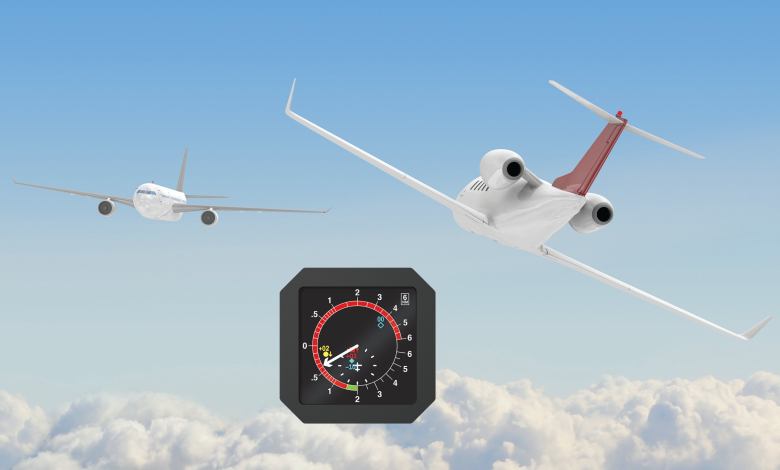
Automatic dependent surveillance-broadcast is a GPS-based system meant to replace the traditional radar-based technology ATC has relied on for decades to detect and manage aircraft traffic. Accuracy and Efficiency ADS-B relies on an aircraft’s GPS receiver to determine highly accurate position and groundspeed information, which it calculates by receiving radio signals from a network of […]

Read More »

Fronts

Fronts in TAFs and weather briefings often mean a day of delays and canceled plans. Considering the impact that they have on flight operations, we should understand fronts. Lets study them so you can make a good guess about the resulting weather. Our modern knowledge of fronts began around 1910 in the Bergen School of Meteorology in Norway. Their early work laid out the mathematics of forecasting and described fronts, showing that they are defined by a change in air mass density. Changes in wind speed, humidity, or pressure are all secondary.

Read More »

Readback: March 2017

Jeff Van West is one of my favorite modern-day aviation writers. His article, Seeing Double in the November issue is a fine example of Jeff taking us by the hand through important, but oft overlooked and esoteric aspects of our IFR life. But his use of the word declination instead of the correct word, variation, is a fingernail on the blackboard kind of irritant, if you remember blackboards. I have these old yellowed books that I studied in the 50s: AF Manual 51-40, Air Navigation Vol 1, by the Department of the Air Force (1959), page viii, and The American Flight Navigator by John Dohm (1958) page 324.

Read More »

Why It’s So Bumpy

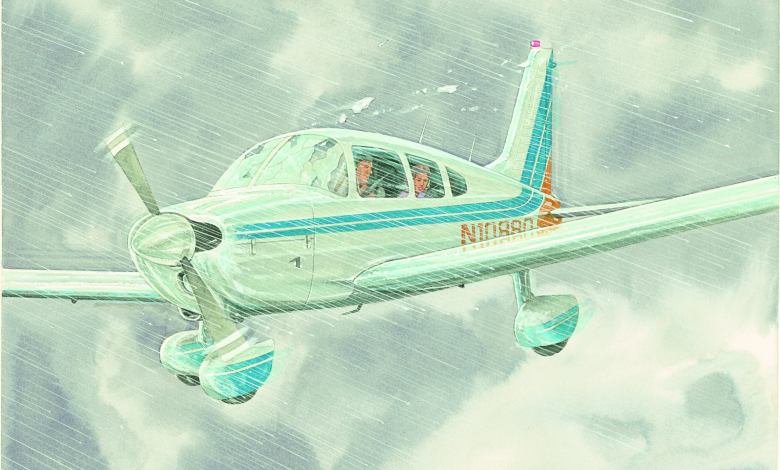
I recently got a question from a reader: When you are flying in clouds and the ride is bumpy, is it bumpy because its cloudy or is it cloudy because its bumpy? Good question. Turbulence is often approached from a rather pragmatic approach in aviation, and that often leaves pilots with questions about where it fits in with weather patterns. Lets look at this piecemeal. From a meteorological perspective, turbulence is bumpiness caused by flight into an area where wind is changing over a small distance.

Read More »

Mastering the Go-Around

Think about all of the decisions a pilot makes every moment he or she is in command — choices that must fit together just so to ensure a safe flight. Sometimes the choices are simple, like correcting for a gusty crosswind in a light trainer. Other times they’re considerably more challenging, like successfully controlling an […]

Read More »
Pilot in aircraft
Sign-up for newsletters & special offers!

Get the latest stories & special offers delivered directly to your inbox.

SUBSCRIBE