Register

Pilot Proficiency

Everything Explained: VASI Light Systems

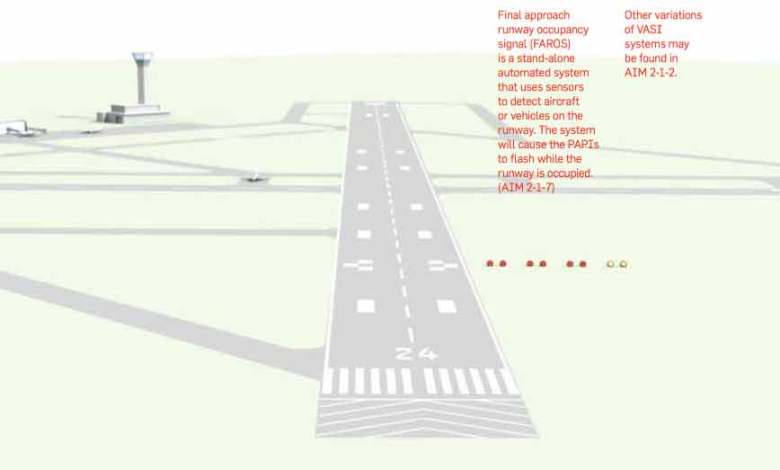
The visual approach slope indicator (VASI) and precision approach path indicator (PAPI) are light systems on the side of a runway threshold that provide visual descent guidance information during approach. Here are the particulars of the different types of path-lighting systems: Two-Bar Visual Approach Slope Indicator (VASI) Two-bar VASI installations provide one visual glidepath, which […]
Read More »

How It Works: Runway Visual Range

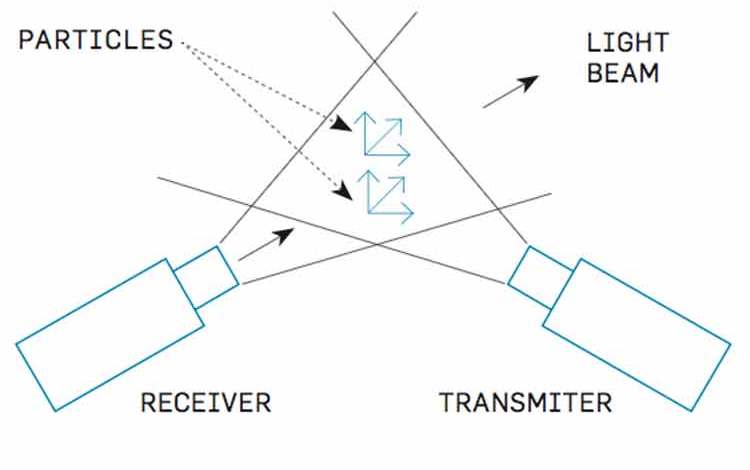
Runway visual range, or RVR, precisely measures the distance that a pilot flying an ILS approach might expect to see when looking down the runway in those critical seconds just before touchdown. Because landing and some takeoff minimums are based on visibility, an operating RVR system is a vital operational element to support the high […]

Read More »

IFR/VFR Separation

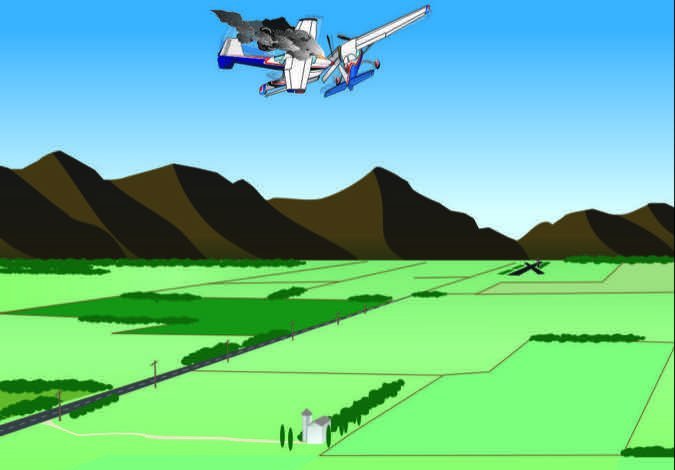
Regulations prevent collisions through right-of-way rules. These codified decencies apply to the road, sea and air. For aviation, 14 CFR 91.113 warns that regardless of whether an operation is conducted under instrument flight rules or visual flight rules, vigilance shall be maintained by each person operating an aircraft so as to see and avoid other aircraft. Sage advice, that, especially with our butts in the hot seat.

Read More »

Readback: June 2017

I just got the April issue of IFR and your editorial (Do You Need EFIS?) exactly described my dilemma! My HSI needs to be repaired and Aspen has a sale on. To get the Aspen and install it is just a few grand more than repairing the HSI. I found Put It Together: DIY SOP in the May issue to be excellent. The creation of a personal SOP is a fantastic venture for any pilot and a very worthwhile, enjoyable and educational process.

Read More »

Flight Data Controller

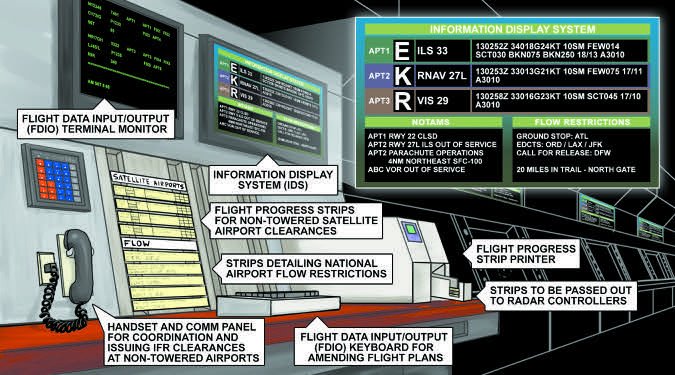
A radar controllers primary concern is the safe sequencing of airplanes. Accomplishing this requires more than just good judgment, clear communication, effective working speed, and knowledge of aircraft and airspace. It depends also on up-to-date information and the ability to stay focused on his airplanes. The controller needs access to a variety of data, such as weather, NOTAMs, nationwide flow restrictions, PIREPs. SIGMETs, etc. This (often critical) information changes frequently, comes from a variety of different sources, and affects aircraft in a many ways.

Read More »

What If GPS Doesnt?

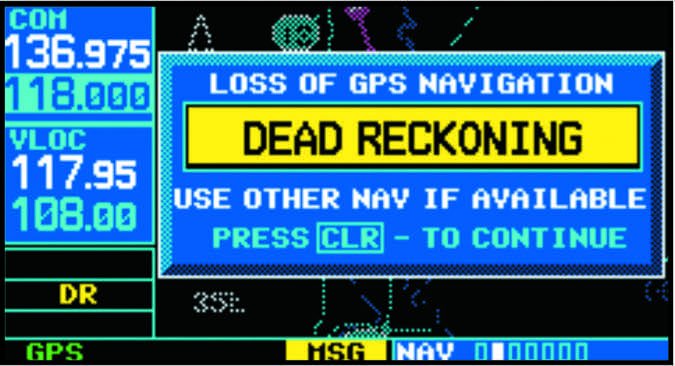
Anything that can go wrong, will, and at the worst possible moment-so states Finagles corollary to Murphys Law. This notion is drilled into pilots from the beginning, so that it becomes second nature to have a plan to handle all sorts of potential failures that could be experienced in flight. Engine failure: check. Instrument and system malfunction: got it covered. Communication failure: no problem. GPS failure… Uhhh, what? Hang on a minute.

Read More »

Put It Together: DIY SOP

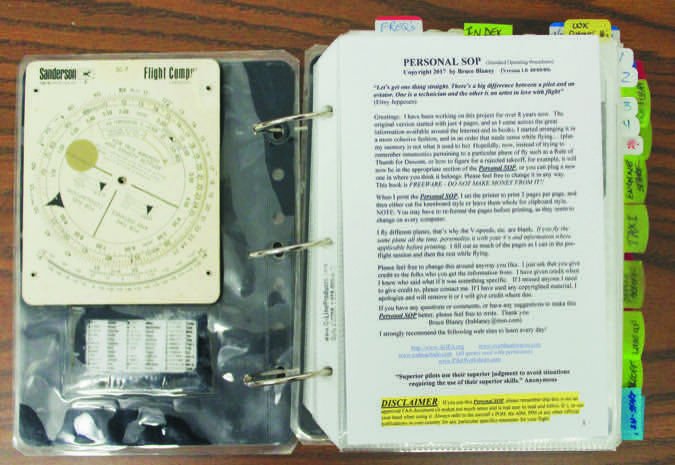
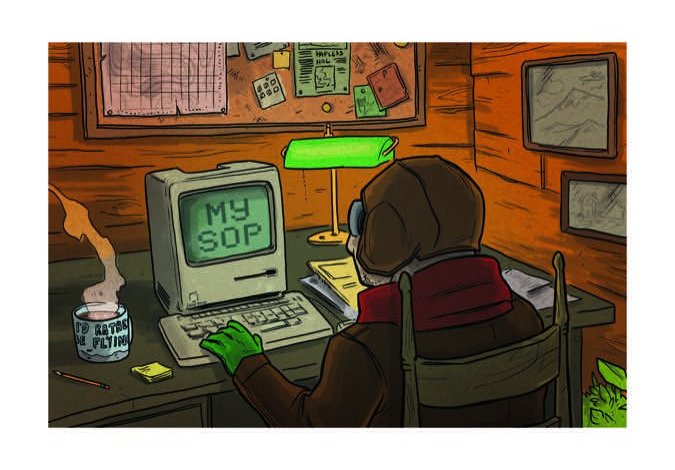
Weve discussed the benefits of personal standard operating procedures (SOP) for our own flying. Weve taken the main elements (Using an SOP in GA, September 2016) and began creating our own (DIY SOP Considerations, February 2017). Meanwhile, we tried to wean you from your do-list in favor of a flow and check (Change Your Checklist, October 2016 and DIY Flow and Check, January 2017). In this final article, we assemble a personal SOP for a light GA single.

Read More »

Handling Windshear

Really big winds and airplanes are not compatible. Of course, our first desire is to avoid those big winds. But, occasionally they sneak up on us even when were diligent about avoiding them. Then what should you do?

Read More »

The Weather Aloft

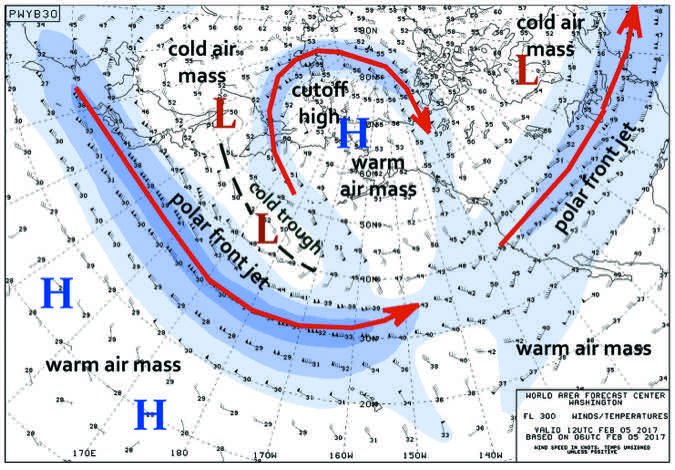
In Wx Smarts, we go beyond the basics you learned in flight school. Sure, you know that winds are stronger at higher altitudes, and that you find fronts near where the jet stream is, but why? What makes the winds flow from the southwest at 20,000 feet when theres a storm system approaching? Lets go past the usual weather playbook to look at why the given upper-air pattern is in place.

Read More »

Going Downhill Fast

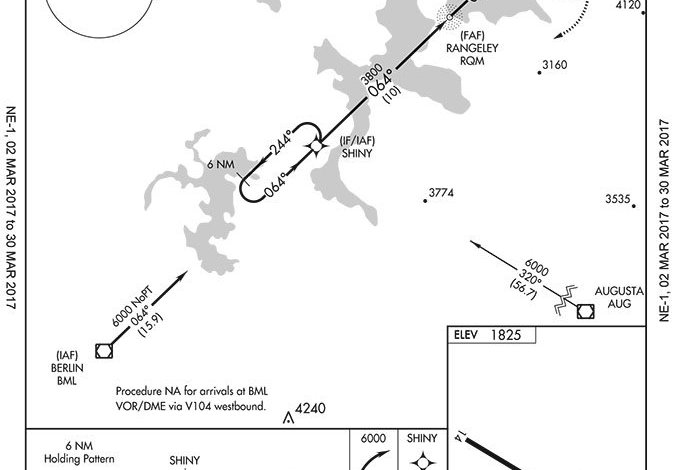
Keeping your instrument-flying skills sharp is like high school football. No, not the social activities after the game; we mean the combination of drills and scrimmage. This sim challenge is a bit of both. The scrimmage part is that youll practice in the context of a (nearly) complete flight. The drill part is that flight is focused on one skill: the anvil descent.

Read More »
Pilot in aircraft
Sign-up for newsletters & special offers!

Get the latest stories & special offers delivered directly to your inbox.

SUBSCRIBE