Pilot Proficiency

Jumpseat: Never a Dull Moment

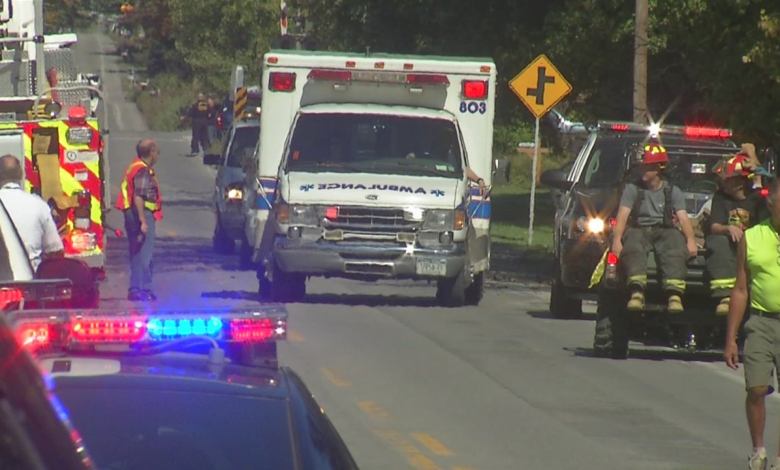
I am always thankful for the days when the only major task performed is to safely fly the airplane — and the biggest decision is whether to have the chicken or the steak. Those days of pure simplicity rarely occur. My trip back from London in the middle of May was no exception. The day […]

Read More »

I Learned About Flying from That: A Near Miss

They say a pilot never stops learning. But that’s not true. Complacency can set in right around the time we’ve forgotten what flaming tomatoes have to do with flying airplanes. We realize that most flights go just fine, and without a healthy spook now and then, we reach a learning plateau. My first spook hit […]

Read More »

Staying Afloat

Along with legions of other pilots, I learned to fly in Cessna Skyhawks, with six-pack instrument panels. Even when I moved on up to the 21st century and Garmin G1000-equipped 172SPs, the core aircraft remained familiar-similar V speeds, control yoke, nose wheel steering, big trim wheel. There was a comfort in the sameness.

Read More »

Black Swan Lessons

It was once believed that all swans were white. No one considered the possibility of black swans until a Dutch explorer discovered them in Australia in 1697. That is the nature of a Black Swan event: Its rare, has an extreme impact and is predictable in retrospect.

Read More »

Teetering on Madness

Instrument approaches are designed such that several divergent paths and procedures funnel into one of a few common designs. Almost every approach you fly will either be a cone of narrowing vertical and lateral guidance; or a staircase of stepdowns to a minimum altitude.

Read More »

The Tower of Power

Recently our flying club toured the new tower at Palm Beach International in southeastern Florida. About 60 pilots signed up to see this multimillion-dollar facility. This is what we saw.

Read More »

ILS Nuances

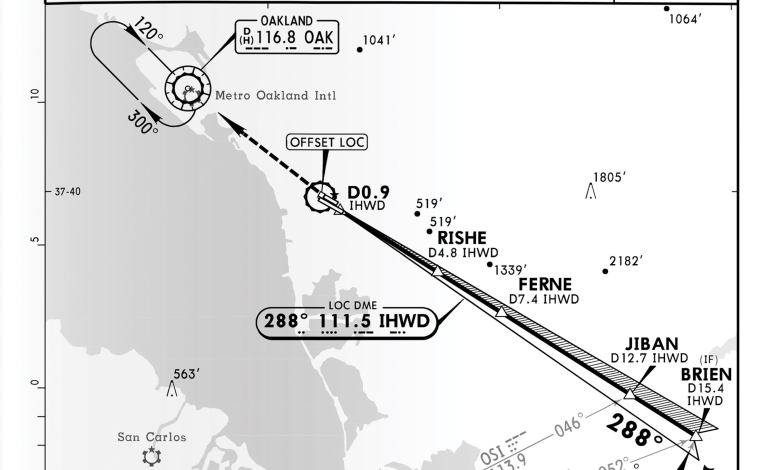
The standard ILS approach is kind of a seen-one-seen-em-all situation. Sure, the numbers vary from one to the other, but the technique is rather straightforward and theyre all mostly the same. All you have to do is get established on the localizer, usually with a few turns from your friendly controller, wait for the glideslope needle to come in and then just follow them both to the runway. And, thats just about all there is to it. Until theres more…

Read More »

All About Precipitation

Chances are youve looked at that table of precipitation types in aviation meteorology books and been fascinated by all the different possibilities. We see all these different types of codes in METAR and TAF reports every day, so why do ground schools just give us the decoding tables and not much else? Each kind of code tells its own little story about what the air mass is doing, whats going on at that airfield, and how the weather will affect flight operations.

Read More »

On The Air: November 2017

While traveling into Valdez, Alaska for the annual fly-in and STOL competition, a couple of planes were trying to hurry in before the airspace closed for aerobatic practice. A couple minutes after tower gave best forward speed instructions to a Lake amphibian (not known for great forward speed), the following exchange was heard:

Read More »

How It Works: Yaw Damper

In its most basic form, a yaw damper inhibits movement of an aircraft around its vertical axis, performing like an automated set of feet on the rudder pedals. A yaw damper pulls aircraft movement information from a series of accelerometers or rate sensors in the rudder and translates it into the proper amount of calming […]

Read More »
Pilot in aircraft
Sign-up for newsletters & special offers!

Get the latest stories & special offers delivered directly to your inbox.

SUBSCRIBE