Lane at the controls of AIM Air’s Caravan in Sudan.Photography By Lane Wallace
Key Takeaways:
Aviation plays a critical role in accessing remote, underdeveloped regions of post-civil war Sudan, with aircraft like AIM Air's 206 and AN-32 cargo planes delivering essential supplies, aid, and facilitating connections for communities attempting to rebuild.
The article showcases the challenging living conditions and ongoing recovery efforts in villages across Sudan (e.g., Boma, Kuron, Nyamlel), where residents are returning and striving to reconstruct their lives amidst the visible scars and remnants of a 22-year civil war.
It highlights Lokichoggio, Kenya, as a key logistics hub for relief supplies entering South Sudan, while also noting the significantly higher accident rate for transport aircraft in Africa compared to international averages.
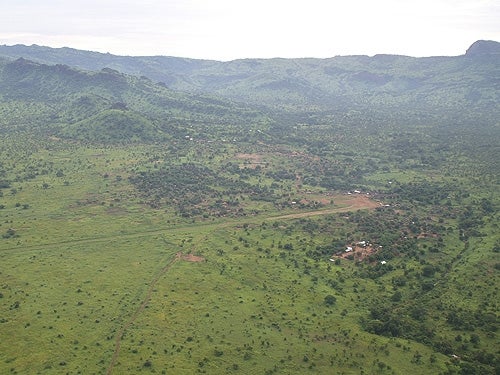
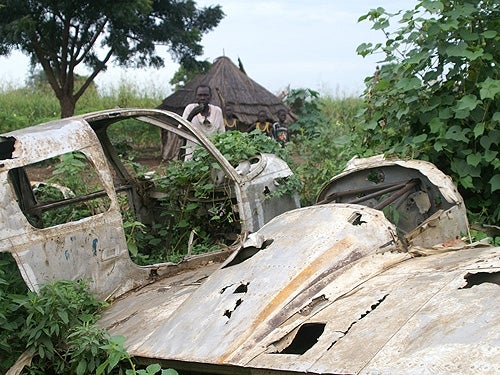
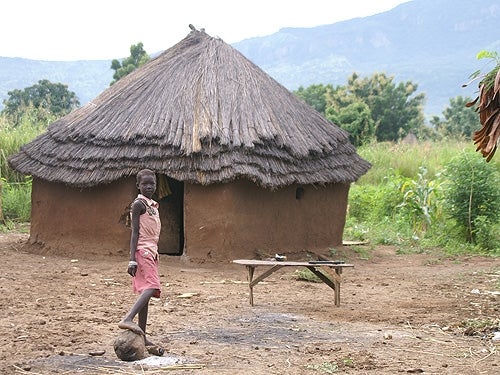
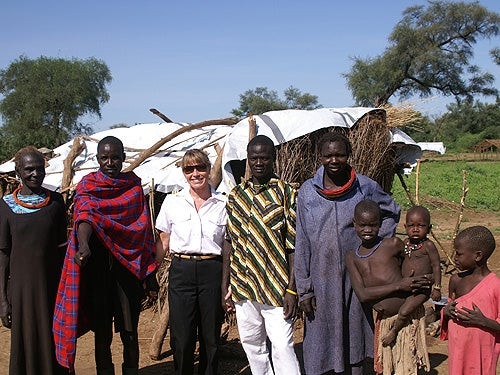
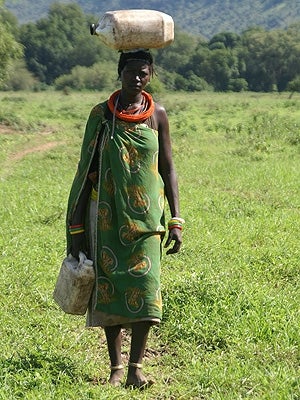
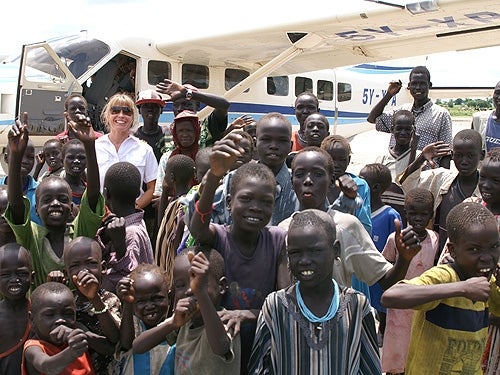
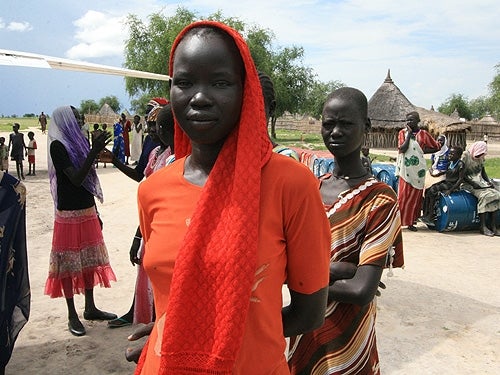
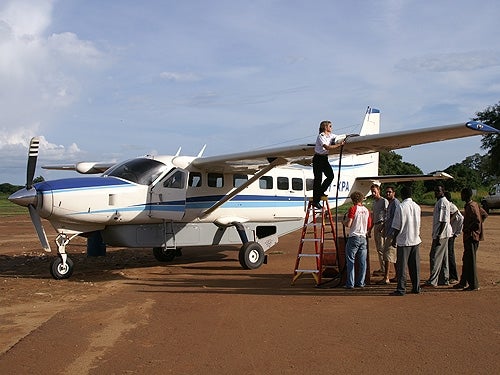
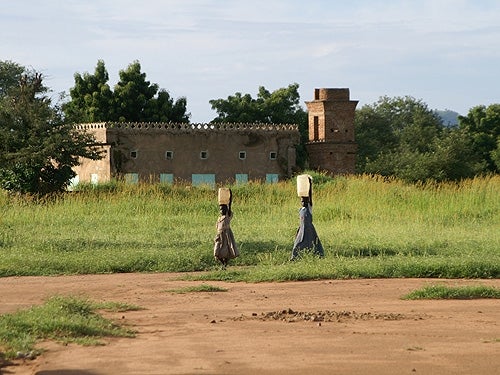
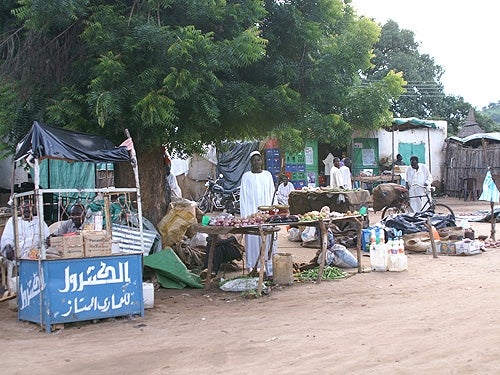
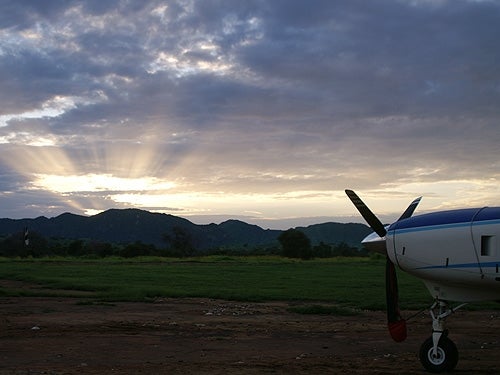
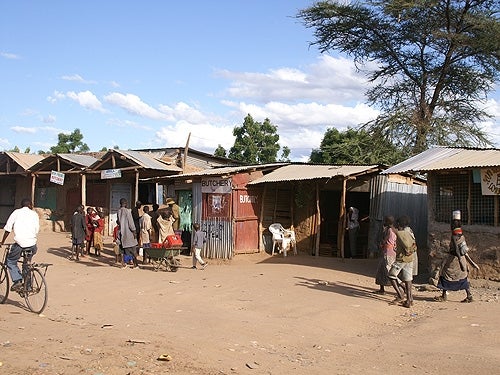
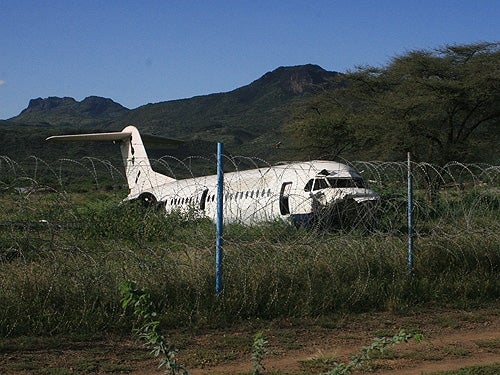
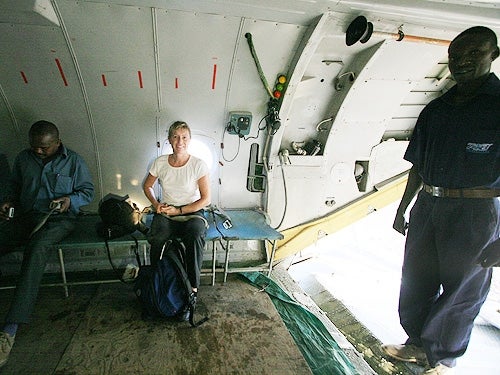
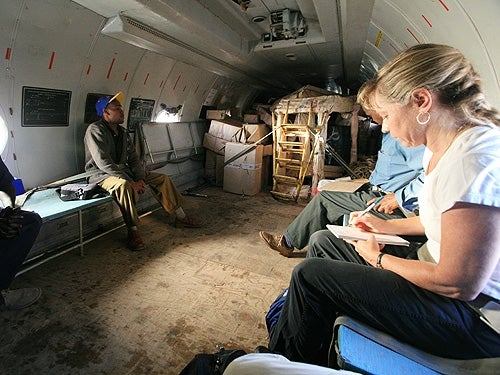
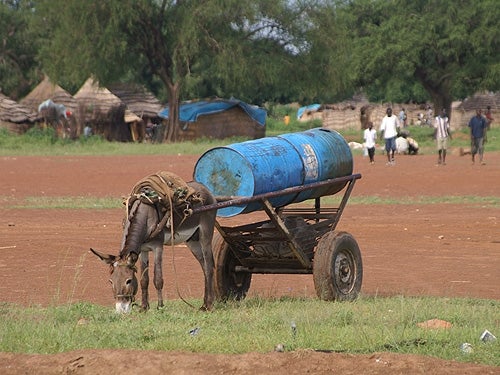
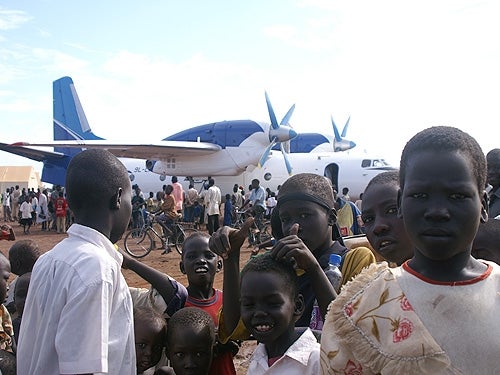
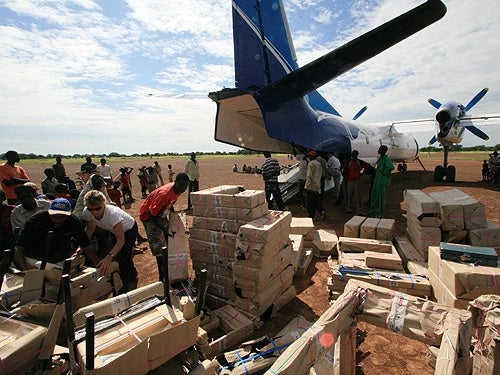
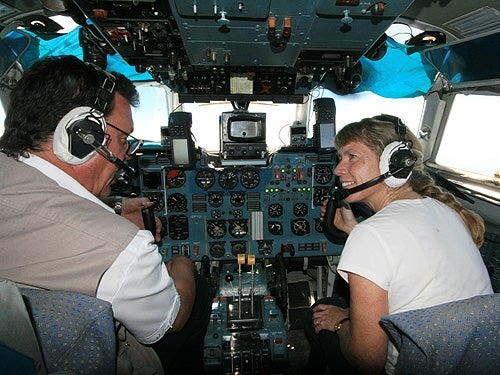
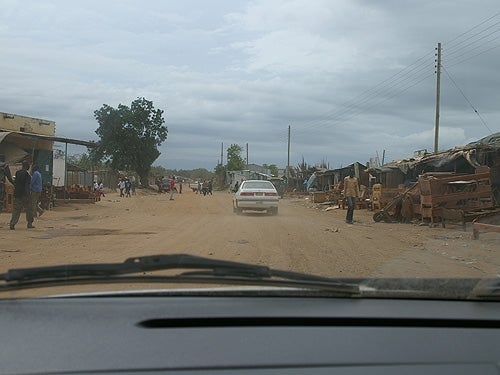
Sunrise seen from an AIM Air 206 en route to Boma, Sudan.The airstrip at the village of Boma, Sudan, only barely visible against the surrounding landscape.The wreckage of a Seneca airplane, destroyed by the SPLA during Sudan’s 22-year civil war, still sits beside the runway in Boma, Sudan.Typical living quarters–a mud and thatch tukal, for villagers in Boma, Sudan.Lane with villagers in traditional tribal dress in the newly-formed “peace” village of Kuron, Sudan, where displaced villagers of various tribes are attempting to live together.Even the simple things are an effort in rural Africa: a woman in Kuron, Sudan, returns from a long walk to the river to get water, carrying the load, as most African women do, with grace and ease on her head.Lane and a gaggle of enthusiastic village children at a refueling stop in Pieri, Sudan, near the Ethiopian border.Women at the airstrip in the village of Pieri, Sudan, near the Ethiopian border.Lane helping to refuel AIM Air’s Caravan from the only fuel source around–55-gallon barrels brought in by plane–in Kauda, Sudan, in the central Nuba Mountains.An ancient muslim mosque/fortress in Kauda, Sudan.**The “souk” —or central market—in Kauda, Sudan. Kauda was completely abandoned during Sudan’s civil war, and the residents—all Muslims—split between supporting the northern and southern troops. But recently, people and commerce have begun ?Sunrise at the Kauda airstrip, in the Nuba Mountains of Sudan.The main drag in downtown Lokichoggio, Kenya—a major supply depot for relief supplies going into South Sudan.This DC-9, damaged after running off the runway, is only one of many wrecked “gate guardians” at airports across Africa. Africa has an accident rate 13 times the international average for transport aircraft.Lane strapping into an AN-32 cargo plane in Lokichoggio, Kenya.Lane aboard the AN-32 en route to Nyamlel, Sudan, with a cargo of supplies for a new school being built there.Lane meeting children in Nyamlel, Sudan–one of many villages abandoned during Sudan’s 22-year civil war where villagers are returning and trying to rebuild.Water tank on a donkey cart, Nyamlel, Sudan.The arrival of an AN-32 supply plane is a big event in Nyamlel–the whole village turns out to see what cargo has arrived.Unloading the cargo from the AN-32 cargo plane, operated by 748 Air Services out of Lokichoggio, Kenya.Lane in the cockpit of the AN-32 with its Russian captain, Mikhail. Note the two Garmin 195 GPS units on the glareshield.Street scene in Juba–the capital of South Sudan.
CREATE A FREE ACCOUNT
Sign up to keep reading
Create a free account to continue. Already a member? Sign in below.



















 |
|
