
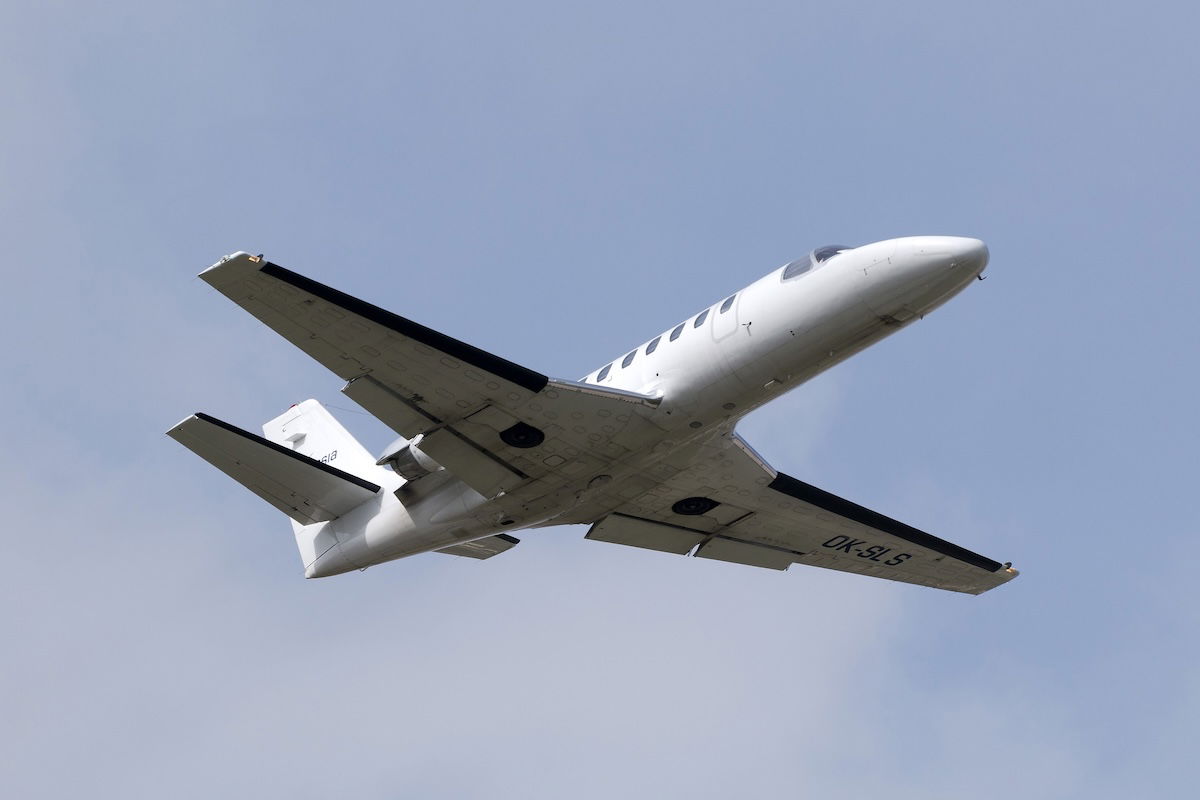


The pilot and passengers of a small aircraft that became unresponsive to air traffic control and triggered panic after flying over the U.S. Capitol complex were likely incapacitated by a lack of oxygen, according to a final report released by the National Transportation Safety Board this week.
The oxygen problem was caused by a loss of cabin pressure during the flight, the NTSB said. The aircraft, an 11-seat Cessna 560 Citation V, had a number of issues related to its pressurization and environmental control systems, including a copilot oxygen mask overdue for inspection, and there is no indication those problems were addressed before its final flight and crash, which killed all four people on board.
Because the airplane’s supplemental oxygen system was operating at its minimum serviceable level, the NTSB concluded, “oxygen would not have been available to the airplane occupants and passenger oxygen masks would not have deployed in the event of a loss of pressurization.”
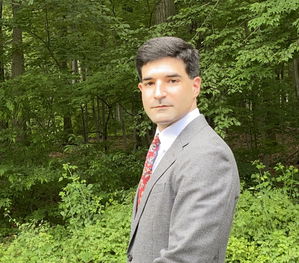
The Cessna departed a municipal airport in eastern Tennessee on June 4, 2023, bound for Ronkonkoma, New York. The pilot, identified by the Associated Press as 69-year-old Jeff Hefner, stopped responding to ATC about 15 minutes into the flight, and the airplane reached Long Island, New York, before looping back south and crashing near Montebello, Virginia.
Hefner was killed together with his three passengers: New York real estate broker Adina Azarian, 49, Azarian’s 2-year-old daughter Aria Azarian, and Evadnie Smith, 56, who worked as a nanny for Aria.
Fighter Jets Scramble
Before crashing, the aircraft flew through restricted airspace over Washington, D.C., prompting NORAD to scramble six F-16 fighter jets to intercept it. While in pursuit, one of the F-16s breached the sound barrier, setting off a sonic boom heard throughout Washington and the surrounding area.
The Air Force jets set off flares to get the attention of the pilot in the Cessna, but he did not acknowledge their approach. The fighter pilots eventually moved in close enough to see a figure slumped over at the airplane’s controls and three passengers who did not appear to be moving. They did not observe any obvious breach of the aircraft’s structure or doors, and there was no smoke in the cabin, the NTSB reported.
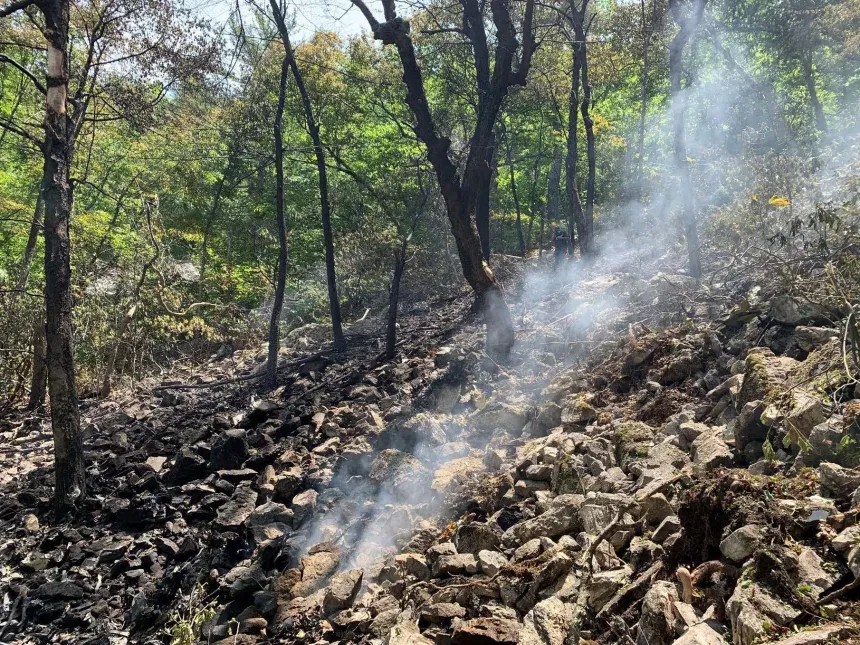
The Cessna eventually went into a spiral and crashed inside George Washington & Jefferson National Forest.
“Based on the lack of response to air traffic control communications, ADS-B data showing the airplane following its flight plan waypoints at the altitude last assigned by air traffic control, and the USAF pilot observations, it is likely that the pilot of the accident airplane became incapacitated during the climb to cruise altitude,” the NTSB report stated. “It is also likely the airplane trajectory was then directed by the autopilot until a point at which it was no longer able to maintain control.”
Altitude-related hypoxia can cause confusion, disorientation, impaired judgement and reactions, worsened motor coordination, and difficulty communicating, all of which can seriously hinder a pilot flying an aircraft. If not addressed, lack of oxygen leads to loss of consciousness and death.
At elevations of 30,000-50,000 feet, a pilot would have between half a minute and two minutes to notice and take protective action against hypoxia, the NTSB said, though rapid depressurization could reduce that time substantially.
Hefner had medical conditions that “represented some increased risk of an impairing or incapacitating” event, the agency added, but he was not “at exceptionally high incapacitation risk.”