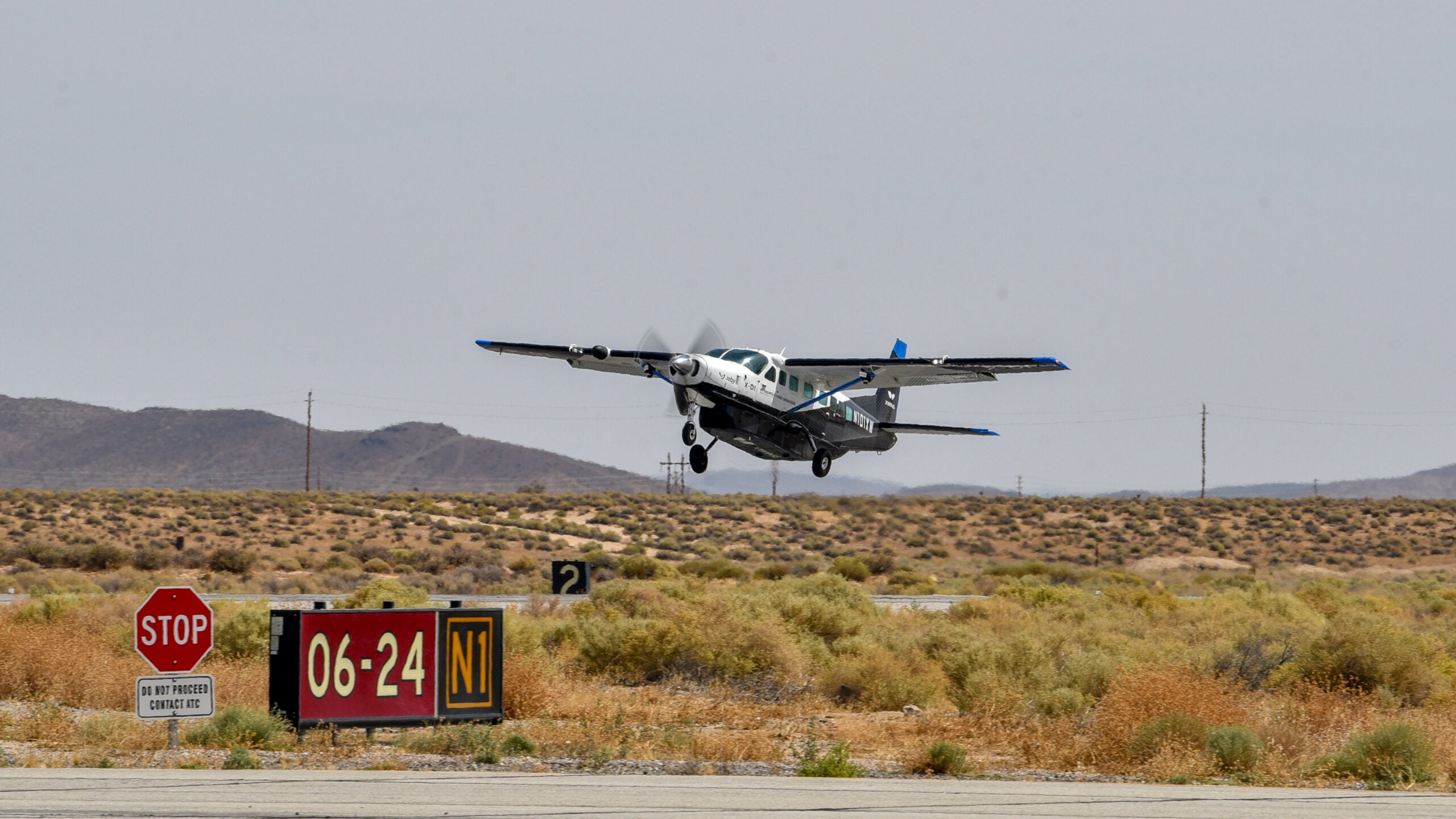
The Cessna 208B Grand Caravan operating as Bering Air Flight 45 was similar to the one shown here. [FLYING file photo/U.S. Air Force]
Key Takeaways:
The NTSB preliminary investigation determined that the Cessna 208B Caravan, which crashed in Alaska killing all 10 on board, was significantly overloaded, exceeding its maximum gross takeoff weight by over 800 pounds.
The estimated takeoff weight of the aircraft was 1,058 pounds over the maximum allowed for flight into known or forecast icing conditions, which were present during the accident flight.
A Cessna 208B Caravan that crashed in Alaska in February, killing all 10 on board, was overloaded at the time of the accident, according to the National Transportation Safety Board (NTSB).
The aircraft was operated by Bering Air, a charter carrier that offers scheduled service from 32 villages in western Alaska operating out of Nome, Kotzebue, and Unalakleet.
CREATE A FREE ACCOUNT
Sign up to keep reading
Create a free account to continue. Already a member? Sign in below.
Meg Godlewski has been an aviation journalist for more than 24 years and a CFI for more than 20 years. If she is not flying or teaching aviation, she is writing about it. Meg is a founding member of the Pilot Proficiency Center at EAA AirVenture and excels at the application of simulation technology to flatten the learning curve. Follow Meg on Twitter @2Lewski.