














Register

Are Copilots’ Days Numbered?

Gemini Sparkle

Key Takeaways:

  • The aviation industry is actively exploring single-pilot operations for jets and airliners, driven by concerns over future pilot shortages and sparked by recent crash-related debates on single-pilot risks.
  • NASA and Rockwell Collins are leading the "Single Pilot Operation" research program to develop automation and concepts for copilot-less airliners.
  • The transition to single-pilot airliners faces significant hurdles, including technical, certification, policy, social acceptability among passengers, and resistance from pilot unions, requiring demonstrable safety improvements.
  • Automation technologies developed for single-pilot airliners could first benefit general aviation pilots by potentially reducing risks associated with non-professional single-pilot flying.
See a mistake? Contact us.

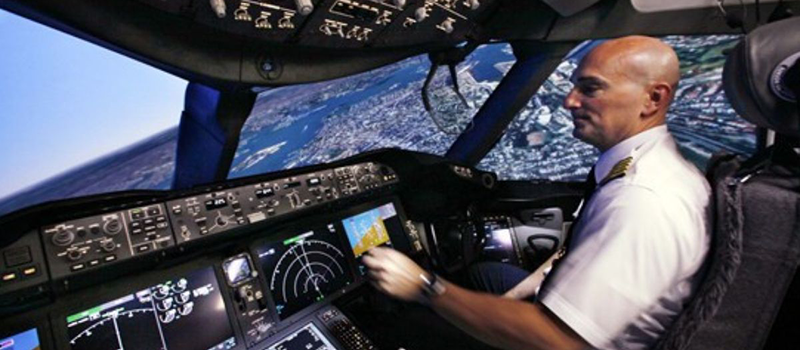
A debate is percolating online about the risks of flying jets single-pilot after the crash of an Embraer Phenom 100 in Maryland earlier this month that killed six, including three people on the ground. Former Flying editor Richard Collins weighed in on his website, arguing that the FAA shouldn’t approve any jet for single-pilot operations unless it’s equipped with autothrottles. The airlines, meanwhile, are taking a slightly different tack: Cram the cockpit full of advanced automation, they say, and eliminate all the copilots.

To test whether this labor-saving move would be feasible or safe, NASA has selected Rockwell Collins as the lead research firm for the Single Pilot Operation program, an effort aimed at exploring concepts and automation technologies for airliners that one day might lead to copilot-less airplanes.


Ready to Sell Your Aircraft?

List your airplane on AircraftForSale.com and reach qualified buyers.

List Your Aircraft
AircraftForSale Logo | FLYING Logo
Pilot in aircraft
Sign-up for newsletters & special offers!

Get the latest stories & special offers delivered directly to your inbox.

SUBSCRIBE
