









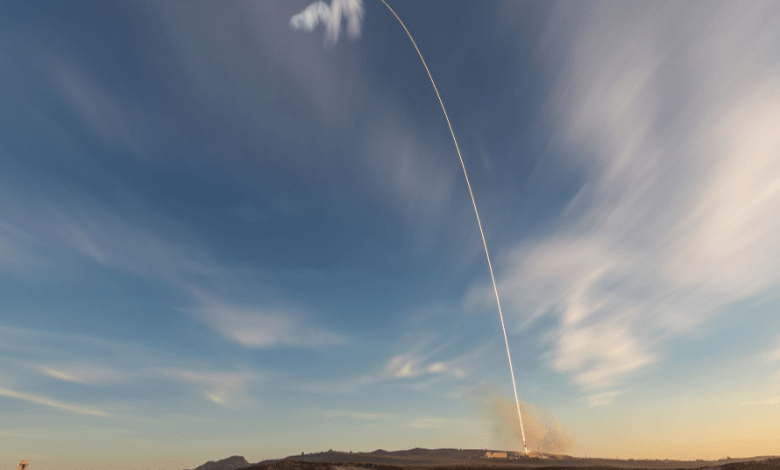
FAA Says It Is Testing Starlink in Alaska in Bid to Improve Weather Data
Agency’s trial of the satellite terminals raises questions about potential conflict of interest.


Agency’s trial of the satellite terminals raises questions about potential conflict of interest.
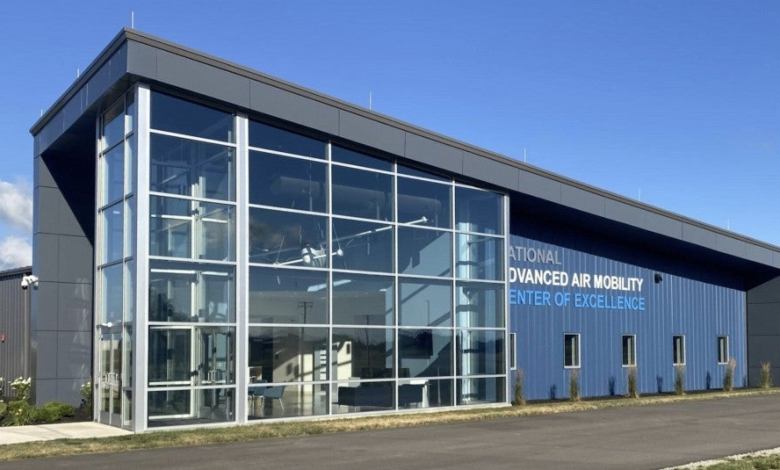
National Advanced Air Mobility Center of Excellence will revive the Pulitzer Trophy after a 100-year hiatus.
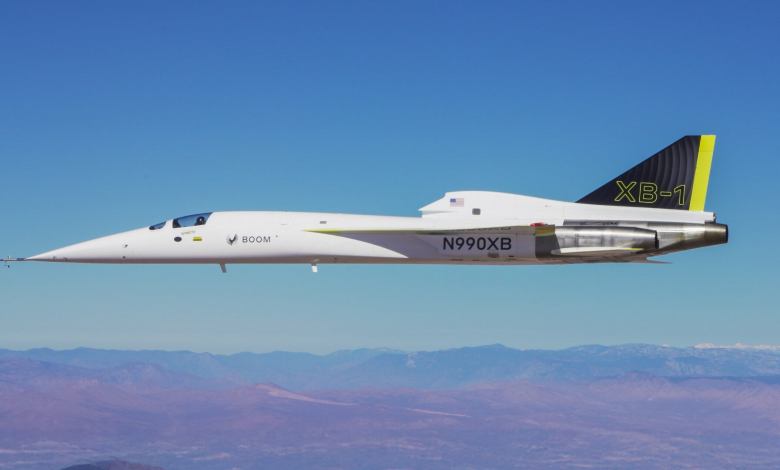
Boom Supersonic’s XB-1 demonstrator creates a sonic boom not audible from the ground below, potentially opening up opportunities for supersonic flight over land.
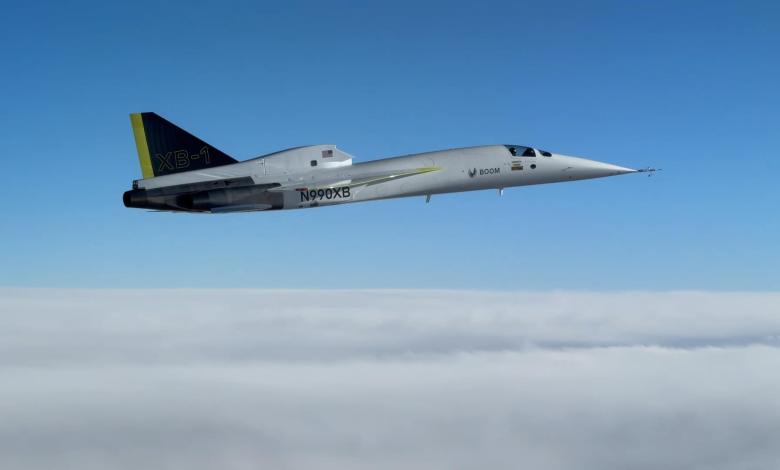
Company’s XB-1 ‘Baby Boom’ demonstrator breaks the sound barrier at Mojave Air & Space Port in California, where the first supersonic flight occurred in 1947.
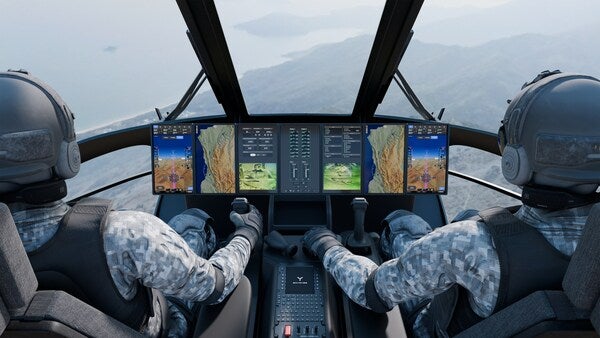
Skyryse, developer of the SkyOS operating system for flight, will work with the military to equip the utility helicopters with automated systems.
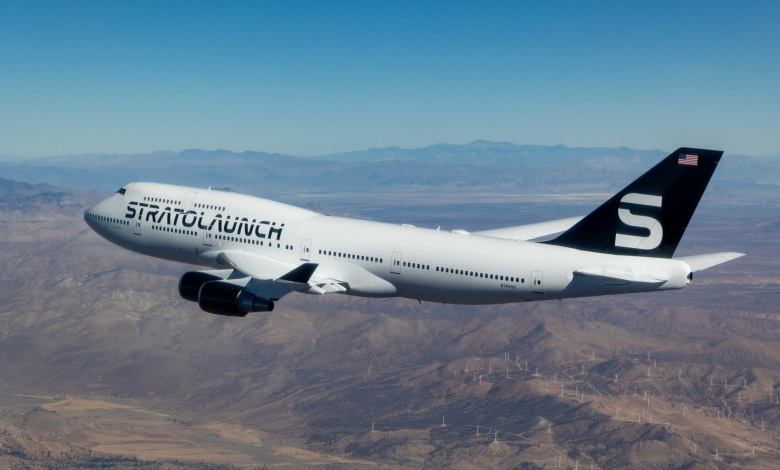
Stratolaunch’s ‘Roc’ boasts a longer wingspan than the ‘Spruce Goose,’ but the military is also interested in its Talon-A testbed.

Historic event finds new life with an agreement between the National Aeronautical Association and Advanced Air Mobility Institute.
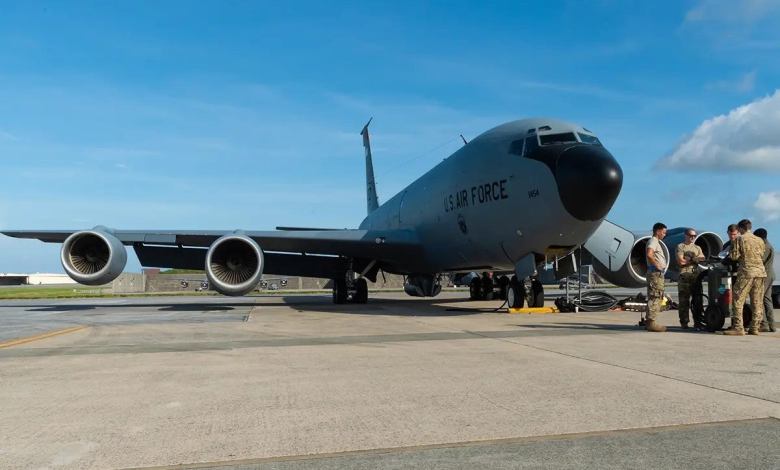
Under a new contract, the company will develop an automated flight plan system that can be integrated across current and future tankers.
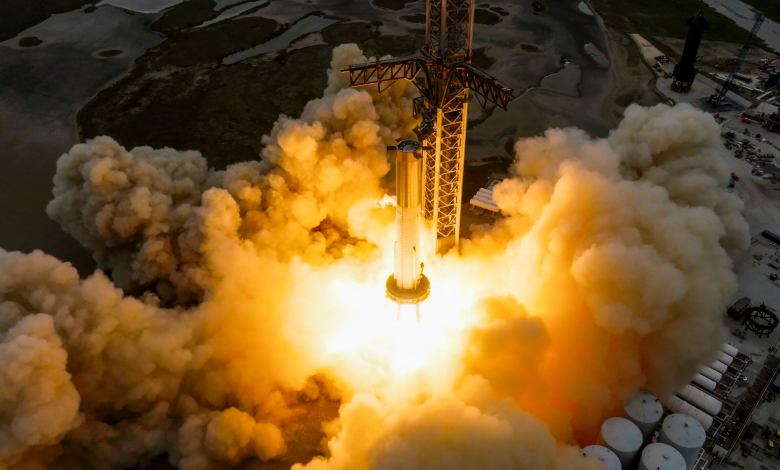
New solution introduced by Salt Lake City-based CleanJoule promises to reduce spaceflight emissions while improving fuel energy density.
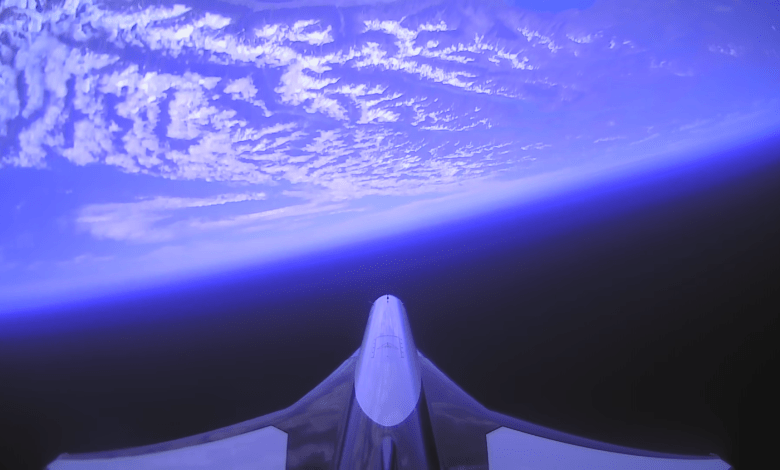
New Zealand manufacturer Dawn Aerospace achieves supersonic flight with its Mk-II Aurora, which is the first civil aircraft in decades to achieve the feat.

Get the latest stories & special offers delivered directly to your inbox.
SUBSCRIBE