










Register

Making IMC Transitions

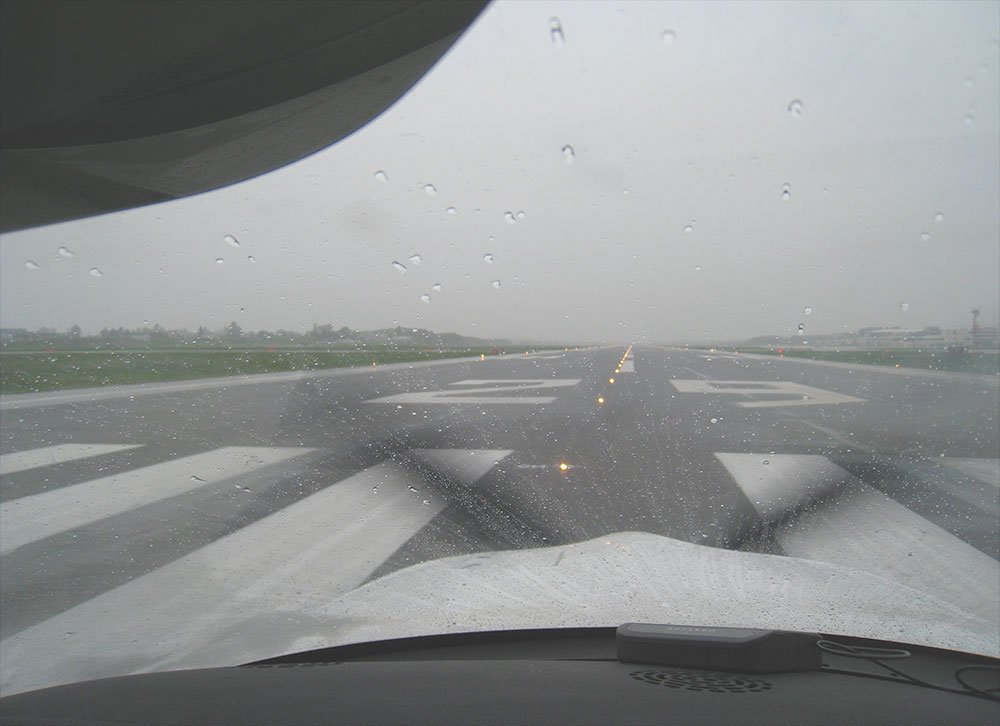
Mark Twain once said, If you hold a cat by the tail, you learn things you cannot learn any other way. Thats also true of flying a Cat I ILS to minimums. No amount of training, except maybe in the best simulators, prepares you for what its like to reach DA and see … very little.

Gemini Sparkle

Key Takeaways:

  • Successful IMC transitions require pilots to prioritize instrument references over potentially misleading visual cues to prevent dangerous spatial disorientation, especially during critical phases like takeoff and landing.
  • When transitioning from visual to instruments (e.g., on takeoff or re-entering clouds), proactively establish instrument scanning and attitude flying several seconds before full immersion into IMC.
  • During instrument-to-visual landing transitions, integrate visual information gradually, maintaining instrument focus until complete and reliable roll and pitch references (such as full approach light systems and PAPI/VASI) are clearly established.
  • Always be prepared to execute a missed approach if visual cues are insufficient or confusing, as there is no time to attempt to resolve ambiguities close to the ground.
See a mistake? Contact us.

Making IMC Transitions
It’s often less than a minute of flight at the beginning and the end, but screwing it up can be expensive at best—and fatal at worst. The key is trusting instruments over eyeballs.

Ready to Sell Your Aircraft?

List your airplane on AircraftForSale.com and reach qualified buyers.

List Your Aircraft
AircraftForSale Logo | FLYING Logo
Pilot in aircraft
Sign-up for newsletters & special offers!

Get the latest stories & special offers delivered directly to your inbox.

SUBSCRIBE


