











I once counted as many as 10 pitch pumps between a jet transport arriving at 50 feet above the runway and touchdown. As the power came to idle (a bit further down the runway than necessary), the copilot planked it down with a predictable, rather heavy kerplunk. All survived. And they could use the 288
Lighten Up Your Landings
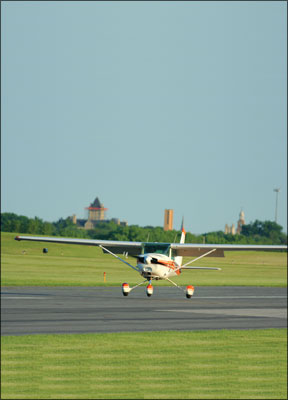
I once counted as many as 10 pitch pumps between a jet transport arriving at 50 feet above the runway and touchdown. As the power came to idle (a bit further down the runway than necessary), the copilot planked it down with a predictable, rather heavy kerplunk. All survived. And they could use the airplane again. But theres got to be a better way. Its the last couple hundred feet where many pilots lose the finesse, presuming they had any to begin with. Its the case whether operating VFR or IFR, since most operations this close to a runway are visual.

Key Takeaways:
- Smooth, coordinated control inputs for pitch and power are paramount during the final approach and flare to achieve a gentle touchdown, avoiding abrupt "pumping."
- Proper flare technique involves a smooth, progressive "squeeze" of back pressure on the yoke to increase angle of attack as airspeed decays, never moving the yoke forward.
- Pilots must understand and anticipate aerodynamic effects like ground effect and pitch changes from power reductions, countering them with integrated, smooth adjustments for a controlled arrival.
Key takeaways sponsored by Aviator Pro | Start Your Training ->
See a mistake? Contact us.

