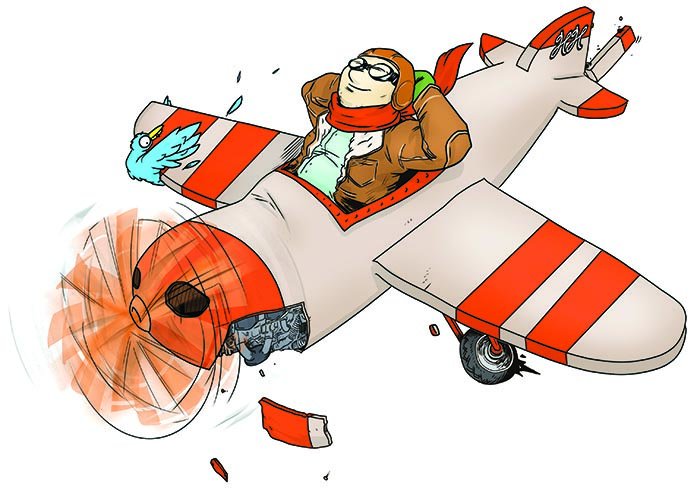
Some years back I was enjoying a chat with a former B-52 commander about emergencies, and he told me something about his training that has stuck. They had a mechanical clock in the cockpit, and they were trained that at the first sign of all but the most critical emergencies they should wind the clock.
Pilots should pause and gather information before reacting to potential emergencies, allowing time to differentiate true crises from less critical "abnormal" situations.
Hasty or "spring-loaded" responses can often worsen a situation; deliberate assessment and a clear goal lead to more effective solutions.
Even when following emergency procedures, it's crucial to pause once the immediate crisis is under control to avoid actions that might impede recovery.
Many perceived emergencies are minor discrepancies that can be managed calmly with reflection, rather than immediately declaring an emergency or overreacting.
Some years back I was enjoying a chat with a former B-52 commander about emergencies, and he told me something about his training that has stuck. They had a mechanical clock in the cockpit, and they were trained that at the first sign of all but the most critical emergencies they should wind the clock.
CREATE A FREE ACCOUNT
Sign up to keep reading
Create a free account to continue. Already a member? Sign in below.