













Register

Instrument X-C

The so-called “long” cross-country in instrument training requires three different approaches. Defining “different” and what approaches qualify has been a process.

Gemini Sparkle

Key Takeaways:

  • The FAA's interpretation of the "three different kinds of approaches" requirement for the IFR long cross-country has evolved significantly, no longer solely dictating different navigation systems.
  • Current guidance (September 2022) clarifies that "different approaches" are now defined by "various lines of minimums" found on an approach plate, allowing for approaches using the same navigation system (e.g., GPS) as long as they target different minimums (e.g., LPV DA, straight-in MDA, circling MDA).
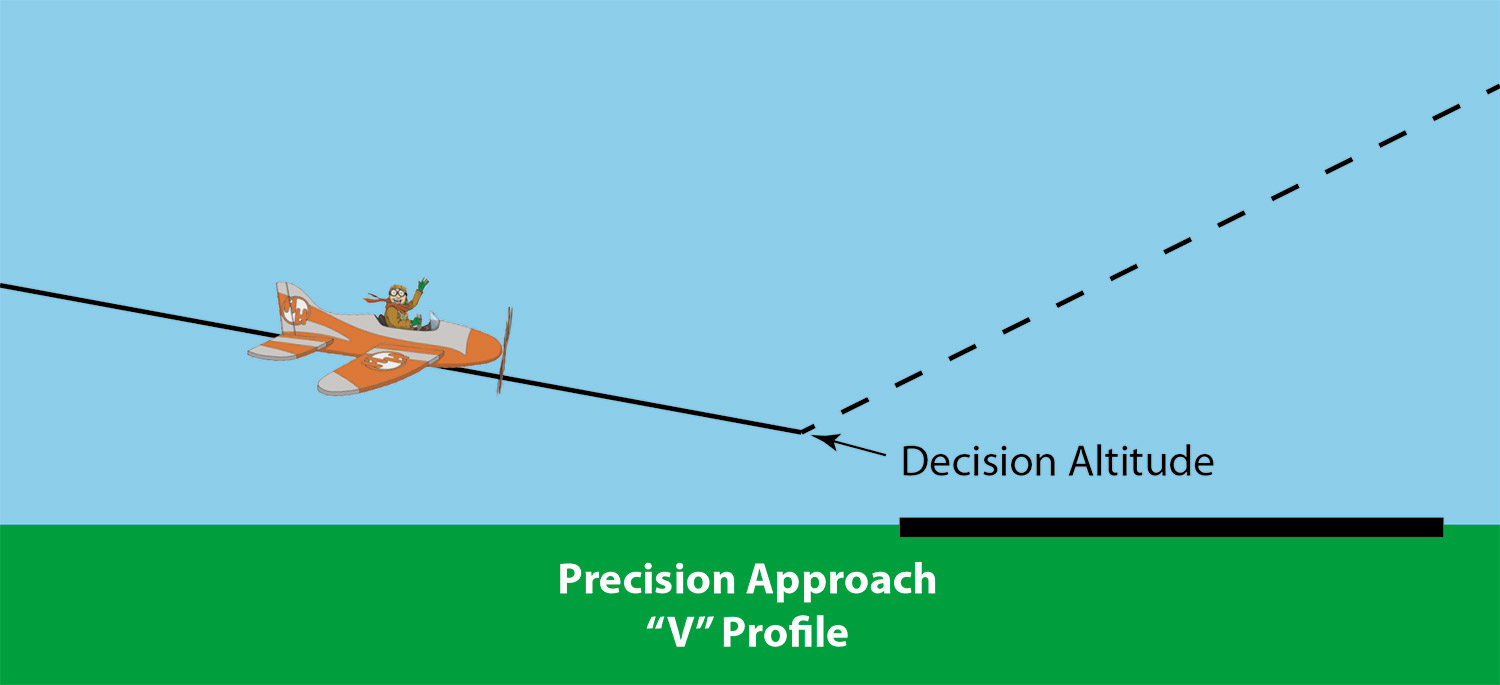
  • ASR and PAR approaches are now acceptable, and instructors are encouraged to teach a variety of approach profiles—such as precision, non-precision, and circling—to ensure comprehensive training, regardless of the navigation system used.
See a mistake? Contact us.

Any pilot who got an instrument rating in the last 25 years knows that part of the training requires a 250 NM (for airplanes) cross-country flight under IFR. It is called the “long cross-country” flight, although there’s no “short cross-country” flight. That flight requires three approaches, but which three has been confusing.

Confusion History

When Part 61 was rewritten in 1997, the IFR cross-country flight included “three different kinds of approaches with the use of navigation systems.” There’s similar language for helicopters. Instrument instructors were unsure how to interpret the language.


Ready to Sell Your Aircraft?

List your airplane on AircraftForSale.com and reach qualified buyers.

List Your Aircraft
AircraftForSale Logo | FLYING Logo
Pilot in aircraft
Sign-up for newsletters & special offers!

Get the latest stories & special offers delivered directly to your inbox.

SUBSCRIBE