













Register

Inside AWOS And ASOS

Gemini Sparkle

Key Takeaways:

  • AWOS and ASOS systems primarily differ in ownership (federal vs. non-federal) but utilize similar sensor technologies and incur significant costs for installation and maintenance.
  • While data such as temperature and wind are generally accurate, cloud/ceiling and visibility reports can be less reliable due to sensor limitations (e.g., single-point laser for clouds, short-range extrapolation for visibility) and susceptibility to local interference.
  • Weather reports are updated frequently (approximately every minute via radio, every 20 minutes for other sources) and are deployed not only at airports but also in critical areas like mountain passes to provide vital information for pilots.
See a mistake? Contact us.

How many times have you heard a report like this? “Podunk Municipal airport, automated weather observation, 2347 Zulu. Weather, wind 050 at 12 knots, gust 23 knots. Visibility 7. Sky condition, clear below 12,000 feet. Temperature 29 Celsius, dew point 17 Celsius. Altimeter 30.00 inches of mercury. Remarks, intensive glider activity 20 miles north east of the airport, use caution.”

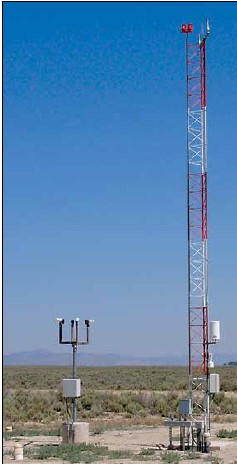
Anyone with more than a student certificate has heard these reports countless times. And yet the AWOS and ASOS system remains a bit of a mystery to many of us. Just tune the proper frequency and don’t worry about how the data is collected or how frequently it is updated. Who owns these stations anyway? And what is the difference between an AWOS and an ASOS station? Let’s take a close look at the mysterious world of automated weather reporting.


Ready to Sell Your Aircraft?

List your airplane on AircraftForSale.com and reach qualified buyers.

List Your Aircraft
AircraftForSale Logo | FLYING Logo
Pilot in aircraft
Sign-up for newsletters & special offers!

Get the latest stories & special offers delivered directly to your inbox.

SUBSCRIBE