













Register

Increased Workload

Gemini Sparkle

Key Takeaways:

  • A challenging cross-country flight without an autopilot underscored the critical importance of a safety pilot or assistant for workload management, especially when facing demanding instrument approaches.
  • The pilot discovered crucial nuances in his modern avionics (GTN 750 and Aspen EFIS), such as specific auto-slew behaviors and flight plan management features, revealing prior complacency with automated systems.
  • The experience served as a reminder to consistently practice fundamental flying skills, strictly adhere to procedural checklists (like the "Five T's"), and avoid over-reliance on automation to maintain proficiency for unexpected situations.
See a mistake? Contact us.

Since starting in 1984, I’ve logged over 1800 hours in more than 45 aircraft types. As much of this has been in the past four years under the employ of a major avionics shop, the recent experience factor provides a bit of confidence, especially since I’m quite familiar with most avionics offered today. A trip from Sarasota, Florida (KSRQ) to Newport, Rhode Island (KUUU) in one day is quite a haul, especially when the final leg will likely require an instrument approach without an operative autopilot. Hey, let the adventure begin!

A Long Trip

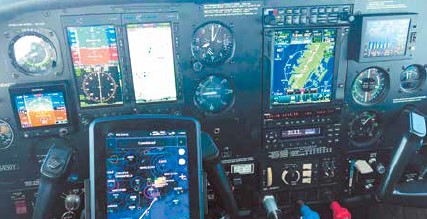
The mission was to deliver a Cessna T210 to its owner, who was over 1000 miles away—in one day. I picked a day that had the most favorable weather in early October. The main avionics consisted of a GTN 750 GPS nav/comm, Aspen EFD 1500, G5 standby attitude indicator, and GTX 345, providing both ADS-B In and Out. The remaining equipment was factory installed and included accompanying round dials— but no operative autopilot.


Ready to Sell Your Aircraft?

List your airplane on AircraftForSale.com and reach qualified buyers.

List Your Aircraft
AircraftForSale Logo | FLYING Logo
Pilot in aircraft
Sign-up for newsletters & special offers!

Get the latest stories & special offers delivered directly to your inbox.

SUBSCRIBE