On The Visual
Instrument training is naturally geared towards technology-heavy procedures like ILS, VOR and RNAV approaches. In poor weather these instrument procedures are the only way to land, but when the weathers good, theres another option.
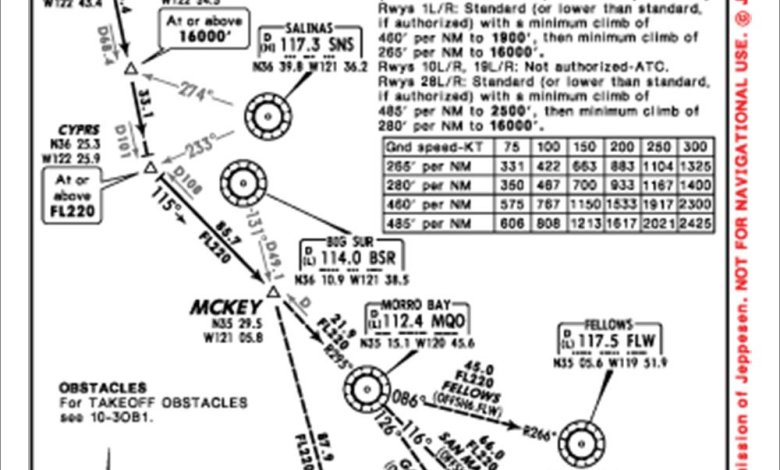
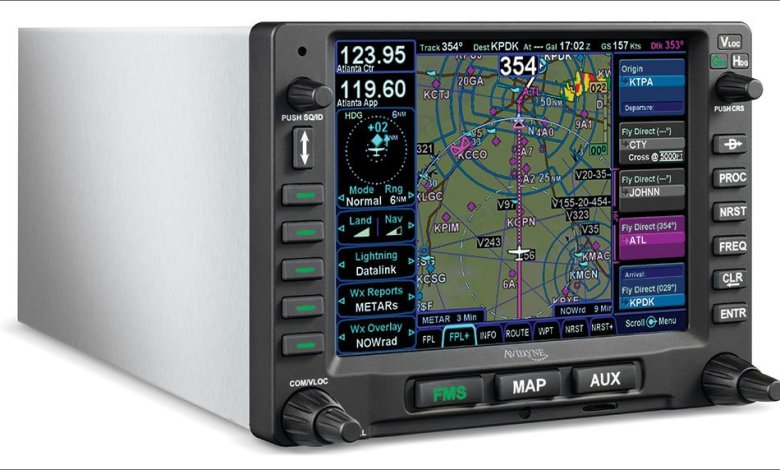
I love GPS. It’s absolutely great the way you can program the most complex route from anywhere to anywhere else. With a little help from your friends at the other end of the radio, you can often even just make a straight (great-circle) line to your destination, or at least to some intermediate point. GPS […]
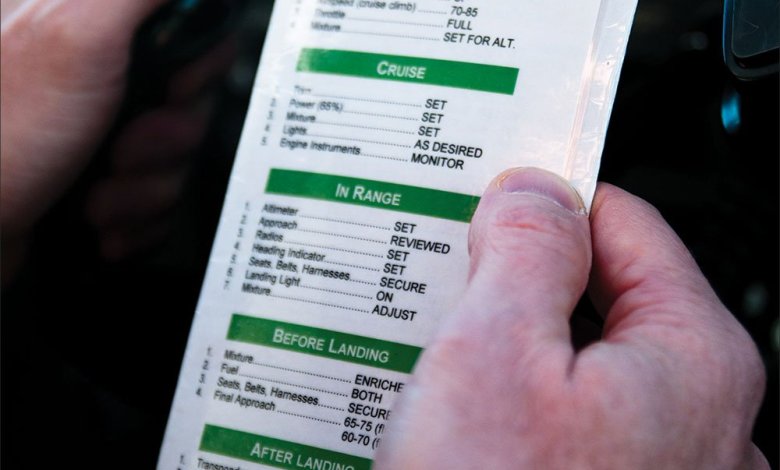
Finally, youve arrived at your destination. What a flight… As you complete your shutdown checklist, you happen to glance down at your kneeboard. Frustration wells up at what you see: your flight log.
Good habits are an important part of being a safe pilot. Habits encourage consistency, which helps a pilot do the right things at the right times. But there are dark sides to habits. Even if we do the right thing at the right time, its easy to miss something if were distracted while mindlessly performing our habit. Or, a normally good habit can be absolutely the wrong thing if invoked at the wrong time. Plus, any habit done by rote without recognition or thought can be dangerous. Perhaps worst, if were performing these habits without monitoring them we can slip into bad habits.
When I was 10 years old, my father took me on a driving vacation from Chicago into central Canada. On the lonely back roads we would switch places and hed let me drive. It was easy. When we reached civilization, though, we always switched back-just because I could steer and operate the pedals didnt mean I could drive in town, with its right-of-way rules, stop signs, pedestrians, and so on.
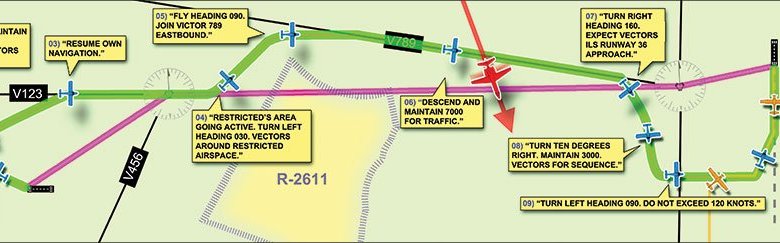
Fly IFR in busy airspace and eventually youll have one of those much ado about nothing experiences. It starts with a clearance you dutifully put in your navigator-and then repeatedly change or completely ignore until you get a clearance to resume the plan you were given at the start.
Airlines, large corporate flight departments and the FAA all have a sufficiently vested interest in keeping aviation safe that they dump money into safety research. Because pilot error is one of the leading killers, it stands to reason that the biggest opportunity for improving safety comes from reducing pilot errors.
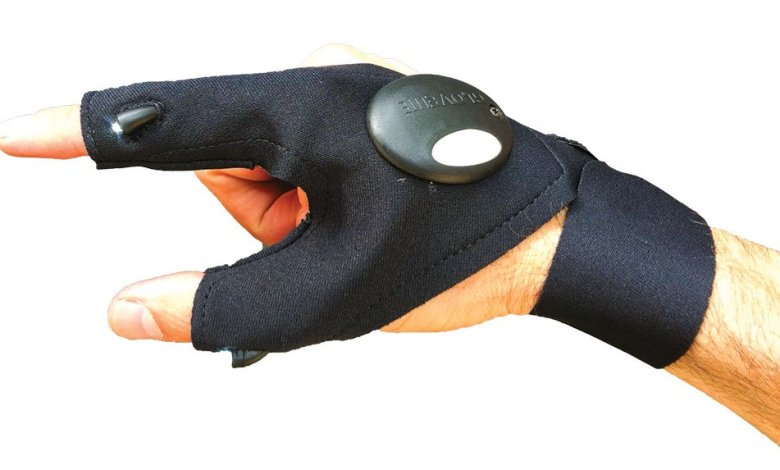
Paul Smith was boring through the dark of night in a Cessna 182, heading in to Shelton, Wash. He kept fumbling with his red-lensed flashlight to read his charts or write something on his kneeboard and, in that great entrepreneurial spirit, thought, There has to be a better way.
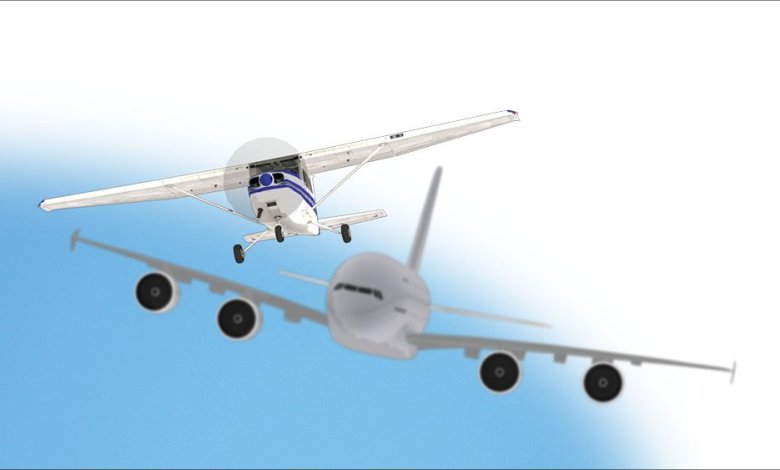
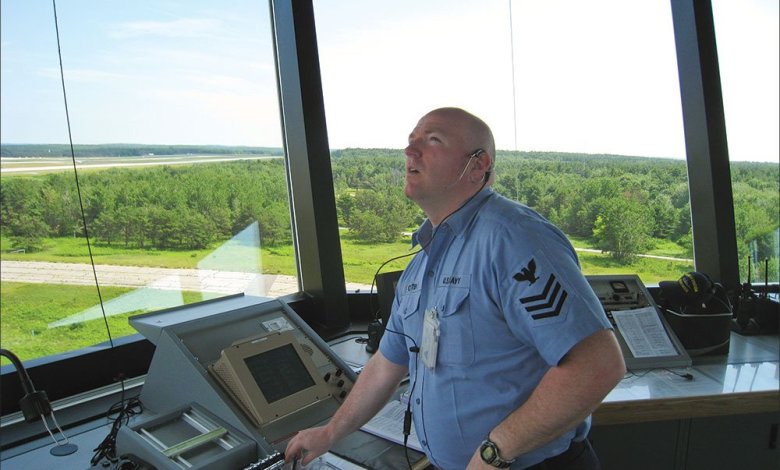
Ive got a Cessna 172 rolling out on the runway, an American Eagle Embraer 145 on two-mile final, a Beechcraft Bonanza in the downwind with a pair of V-22 Osprey tiltrotors inbound to follow, a Lifeflight medical helicopter departing a hospital next door, and a pair of Navy T-45 Goshawk jet trainers calling me, ready at the hold short line.
Our CRJ-200 was sliding down through an overcast layer, following the glideslope to Runway 28 at Chicago OHare. Everything was normal, just like it always is. My airline job means I make this approach a couple of times a week.