










On The Air: June 2017
The other day the Washington, DC area was getting hammered with a series of strong, fast-moving thunderstorms. Reagan National (DCA) had just shut down when I heard the following on the ground frequency at Dulles:

The other day the Washington, DC area was getting hammered with a series of strong, fast-moving thunderstorms. Reagan National (DCA) had just shut down when I heard the following on the ground frequency at Dulles:
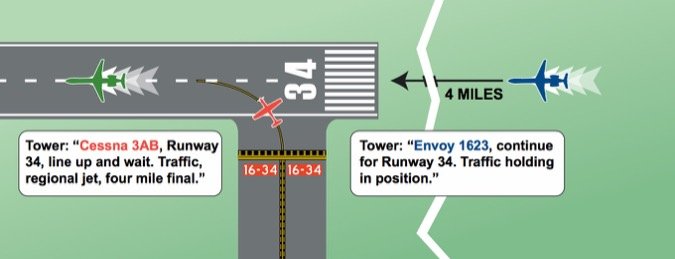
Youve probably heard the morbid axiom: FAA regulations are written in blood. Many of the rules fattening the books governing pilots and air traffic controllers were brought about by unfortunate incidents. Line up and wait (LUAW) is a significant example. Its an inherently risky maneuver: a controller places an airplane on a runway but doesnt let them take off due to other traffic using the runway or on final to that same runway.
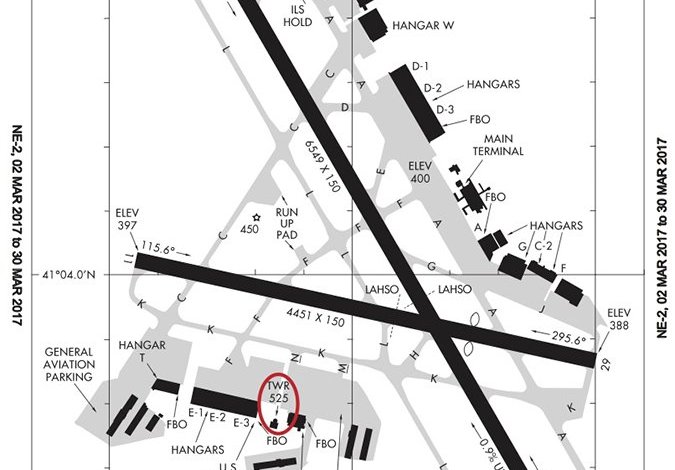
Its taken for granted that when you fly a light aircraft, you take care of everything from preflight planning to all the in-flight tasks and securing the aircraft afterwards. All decisions are usually left to one person. This is such a common routine for many that the risks of whats known as Single-Pilot Resource Management are often overlooked, especially due to the external pressures that are often present for any flight. In this accident report, the combination of a sole pilots pressure to get home and poor weather conditions had tragic results.
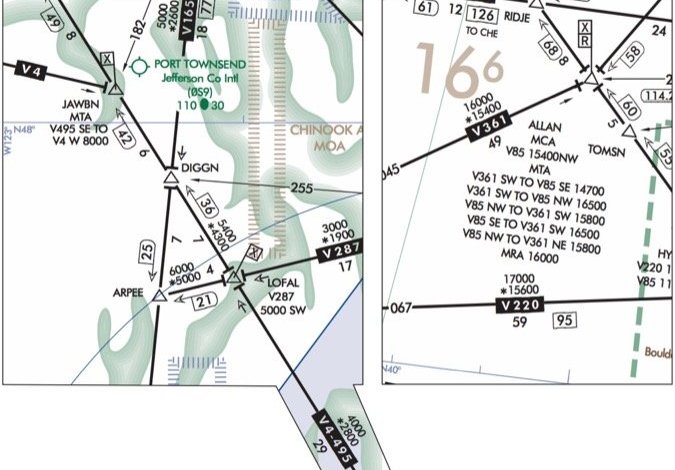
I loved The MTA Song as a kid. You know it: Charlie gets caught a nickel short and left to ride the rails of the Boston subway forever because the fare went up during his morning commute. I loved its joyful ridiculousness, and I loved that my dad would belt it out for us on his old Martin. (He was a beatnik-a hippy before it was cool.) Charlies wife handing him a sandwich always bugged me though. Why didnt she just hand him a nickel so he could get off the train?
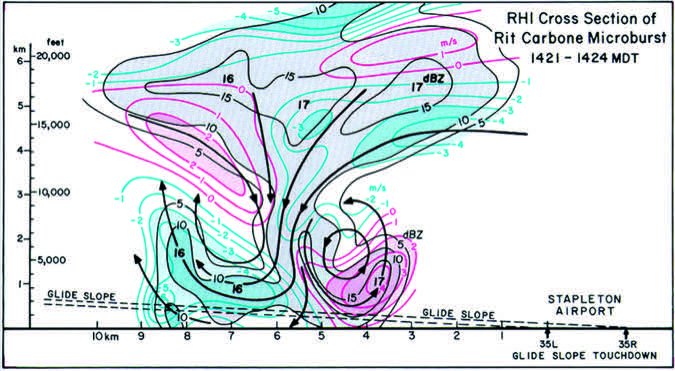
Last month, Handling Windshear, described how to recognize, avoid and, handle an encounter with windshear. The focus of that article was the practical side of piloting but we necessarily touched on the basics of the weather behind thunderstorms, microbursts and windshear. Now its time to dig deeper into that meteorology.
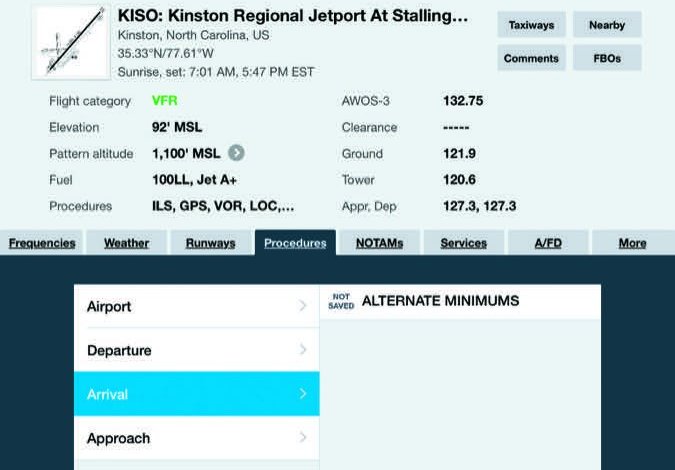
It really should be true. Visual contact with lights offers a bridge between the miasma of IMC and the welcoming squeak of pavement. If you reach DA and have only the approach lights in sight, just holding your attitude for a moment longer-and lower-should yield enough visual information to put the wheels safely on the runway.
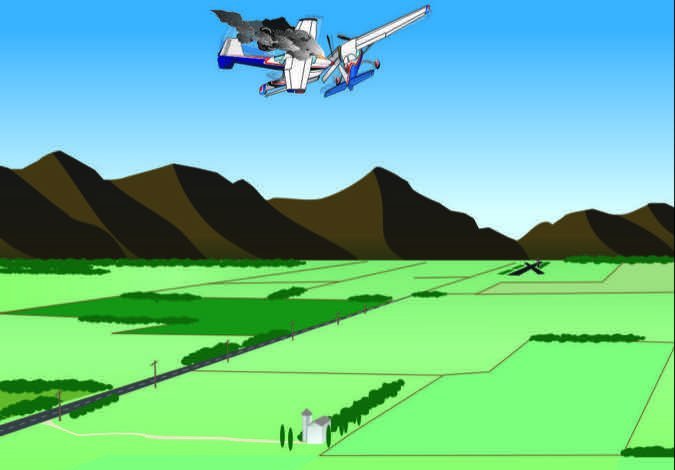
Regulations prevent collisions through right-of-way rules. These codified decencies apply to the road, sea and air. For aviation, 14 CFR 91.113 warns that regardless of whether an operation is conducted under instrument flight rules or visual flight rules, vigilance shall be maintained by each person operating an aircraft so as to see and avoid other aircraft. Sage advice, that, especially with our butts in the hot seat.
Mooney Aircrafts updates of its two classic single-engine models now are FAA-certified, the company announced in April. The M20U Ovation Ultra and the twin-turbocharged M20V Acclaim Ultra both come with an all-new interior and a Garmin G1000 NXi panel. The once all-metal airplane now has a composite-wrapped cabin, which the company says produces a quieter ride. The original Mooneys had a single door, but the new versions come with two wide doors for easier access to the cabin. The company has started to take orders for the first batch of 50 airplanes planned for this years production.
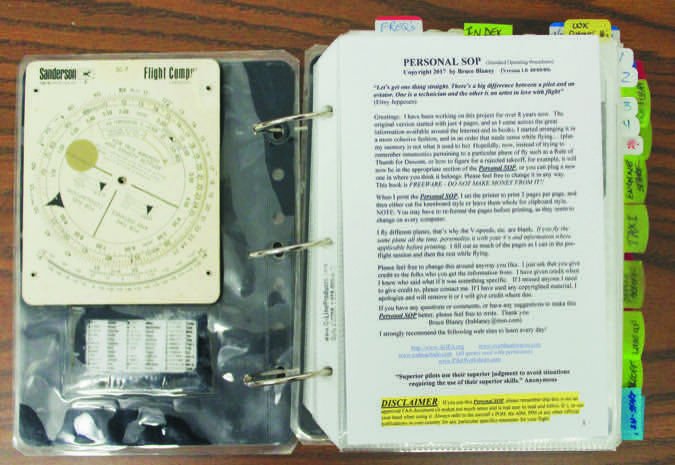
I just got the April issue of IFR and your editorial (Do You Need EFIS?) exactly described my dilemma! My HSI needs to be repaired and Aspen has a sale on. To get the Aspen and install it is just a few grand more than repairing the HSI. I found Put It Together: DIY SOP in the May issue to be excellent. The creation of a personal SOP is a fantastic venture for any pilot and a very worthwhile, enjoyable and educational process.
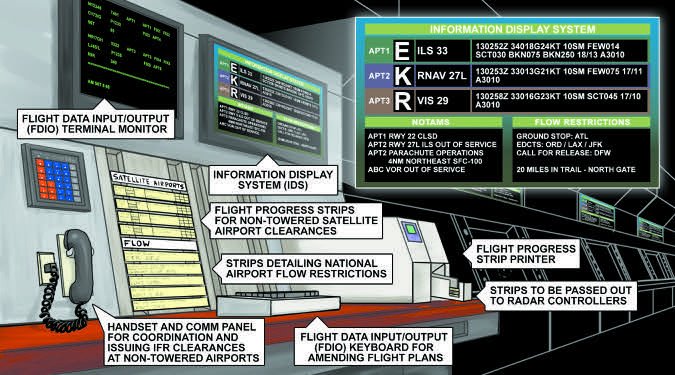
A radar controllers primary concern is the safe sequencing of airplanes. Accomplishing this requires more than just good judgment, clear communication, effective working speed, and knowledge of aircraft and airspace. It depends also on up-to-date information and the ability to stay focused on his airplanes. The controller needs access to a variety of data, such as weather, NOTAMs, nationwide flow restrictions, PIREPs. SIGMETs, etc. This (often critical) information changes frequently, comes from a variety of different sources, and affects aircraft in a many ways.

Get the latest stories & special offers delivered directly to your inbox.
SUBSCRIBE