IFR Magazine

Train the System

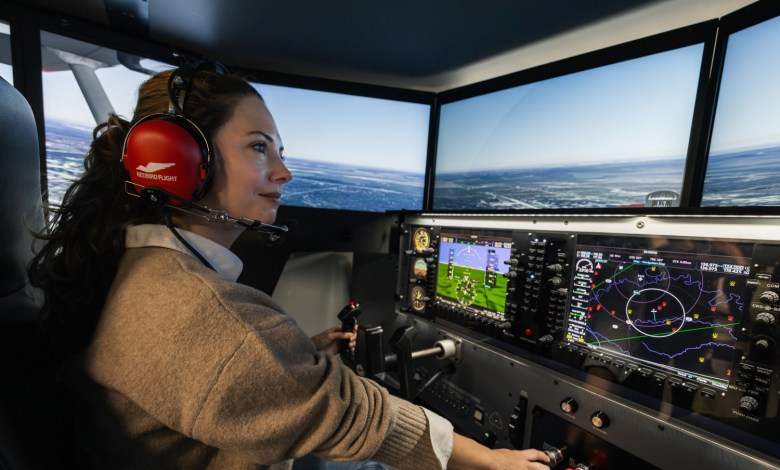
When I was 10 years old, my father took me on a driving vacation from Chicago into central Canada. On the lonely back roads we would switch places and hed let me drive. It was easy. When we reached civilization, though, we always switched back-just because I could steer and operate the pedals didnt mean I could drive in town, with its right-of-way rules, stop signs, pedestrians, and so on.

Read More »

Threats and errors

Airlines, large corporate flight departments and the FAA all have a sufficiently vested interest in keeping aviation safe that they dump money into safety research. Because pilot error is one of the leading killers, it stands to reason that the biggest opportunity for improving safety comes from reducing pilot errors.

Read More »

Hey buddy, got a light?

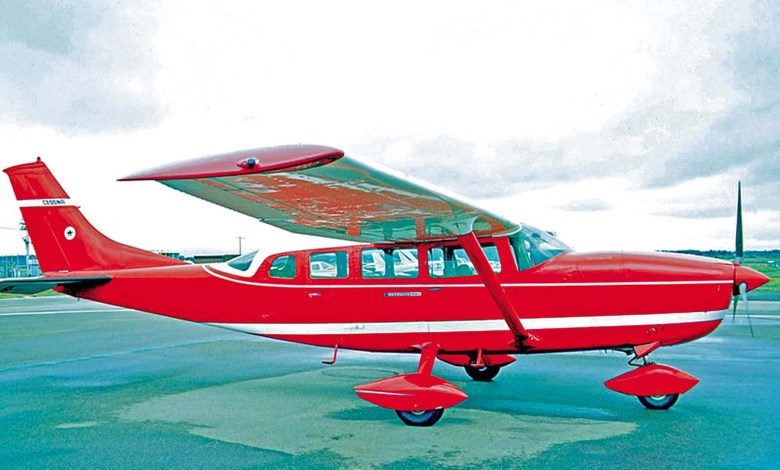
Paul Smith was boring through the dark of night in a Cessna 182, heading in to Shelton, Wash. He kept fumbling with his red-lensed flashlight to read his charts or write something on his kneeboard and, in that great entrepreneurial spirit, thought, There has to be a better way.

Read More »

What drives Tower Nuts

Ive got a Cessna 172 rolling out on the runway, an American Eagle Embraer 145 on two-mile final, a Beechcraft Bonanza in the downwind with a pair of V-22 Osprey tiltrotors inbound to follow, a Lifeflight medical helicopter departing a hospital next door, and a pair of Navy T-45 Goshawk jet trainers calling me, ready at the hold short line.

Read More »

Maximizing Datalink

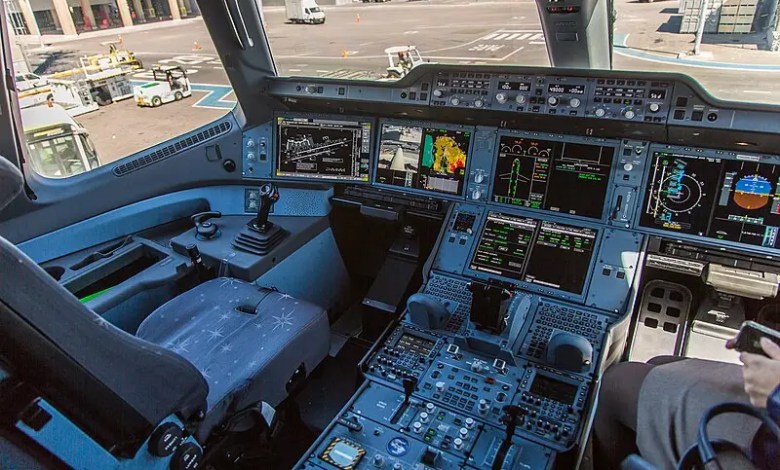
Maximizing DatalinkThere’s plenty more to using datalink weather than, “Don’t fly through the red stuff.” By layering information, you can build a more complete picture.Datalink weather is a staple food of most IFR cockpits theses days. And why not? It give us critical information directly into our hands to make more informed decisions in the […]

Read More »

Precautionary Diverts

Its probably happened to you: Something en route made you consider not continuing to your intended destination. Now youre faced with the myriad choices of why, when, where and how to divert.

Read More »

Briefing: October 2013

EAA hosted its annual AirVenture event at the end of July, highlighted by the first public flight of the Terrafugia Transition flying car, the first U.S. demo by Swiss Jetman Yves Rossy with his one-of-a-kind jet-powered wingsuit, and the debut of the ready-for-production HondaJet. Great weather helped draw big crowds on the grounds and in the air, adding to a sense the economic doldrums may be lifting at last. Diesels were popular, with Redbird, Glasair, and Cessna all reporting on programs. Icon announced the FAA okayed their weight exemption, clearing the way for the long-anticipated amphibian to proceed to market, and raising hopes for other LSA manufacturers seeking FAA flexibility. The air show was popular despite the lack of military displays due to the sequester, with new JumboTrons adding to audience engagement. EAA also hosted its first-ever Job Fair, drawing big crowds and an expectation of a return next year.

Read More »

Briefing: September 2013

Anyone looking for a career in an airline cockpit will be affected by the FAAs new ruling on first officer requirements. The 2009 Colgan Air crash prompted Congress to demand the new rules. All first officers who fly for passenger and cargo airlines now will be required to hold an aircraft type rating, plus an ATP certificate, which requires a minimum 1,500 hours total time and a minimum age of 23, with several available exemptions. Pilots may be able to qualify for restricted privileges if they are at least 21 years old and have a military background or a bachelors degree from an aviation program. The rule also requires all ATP applicants to have logged at least 50 hours of multi-engine time and to complete a new FAA-approved training program.

Read More »

Briefing: August 2013

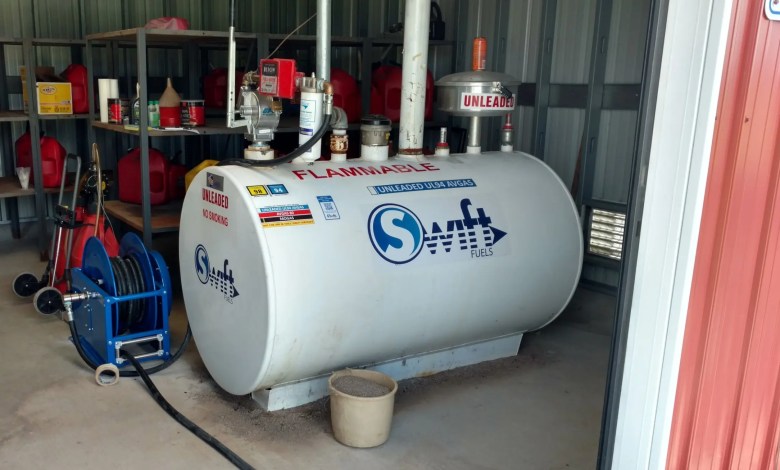
For years, the general-aviation community has worried over how to replace 100LL. Finally, in June the FAA announced that it wants to see proposals for new fuels and will start a process to test them. The traditional leaded fuel is under attack from the Environmental Protection Agency and others worried about the toxins released into the atmosphere when it combusts. Plus, the sources for the fuel are considered uncertain, especially as the demand falls year…

Read More »

Briefing: July 2013

Pilatus, the Swiss company best known for their versatile PC-12 turboprop, announced in May they are working on their first jet aircraft. The PC-24 is powered by two Williams turbine engines and will be able to use short and even unpaved runways. The cabin can be fitted with six to ten seats. A big cargo door will be standard. The company has designed its own Advanced Cockpit Environment system, which aims to reduce workloads for…

Read More »
Pilot in aircraft
Sign-up for newsletters & special offers!

Get the latest stories & special offers delivered directly to your inbox.

SUBSCRIBE