IFR Magazine

Man, Did He Ever Get Fat

Maybe its the looming specter of my 25th high-school reunion thats got me worrying about getting fat and sloppy. Living in the land where donuts and coffee are staple foods, Ive been passing on the former while muttering renewed resolutions about spending more time at the gym.

Read More »

What Is Minimum Fuel?

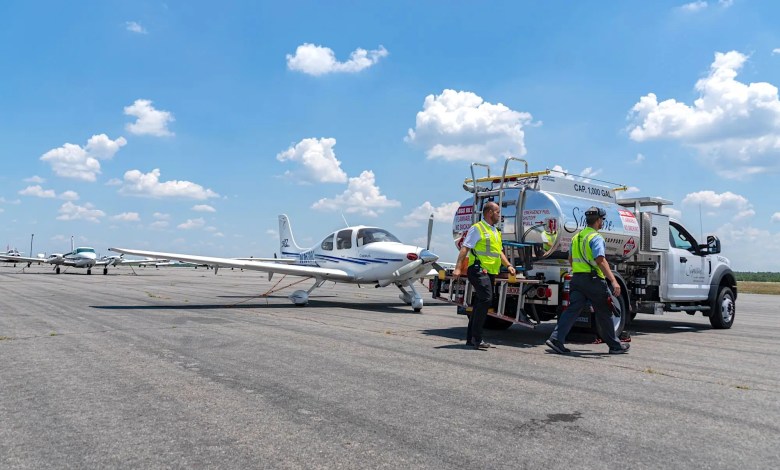
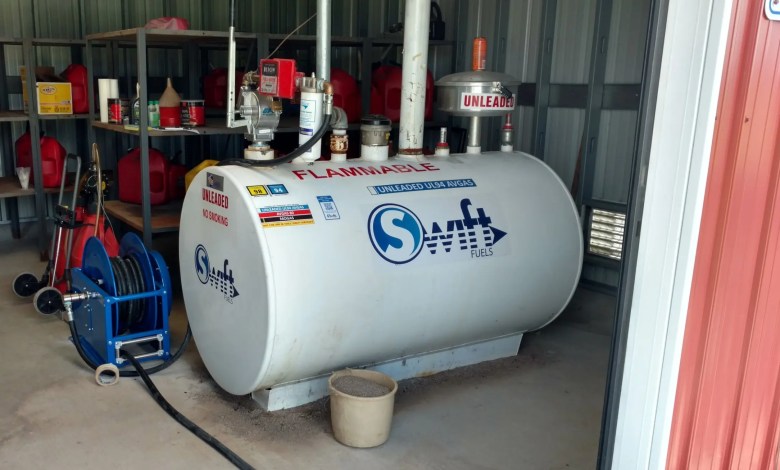
Fuel-management procedures are entwined into every aspect of flight, from planning to a periodic scan of the gauges while youre zipping along at cruise. But even the best-laid plans can easily fall victim to diversion, delays and even overly-optimistic thinking.

Read More »

When Low Fuel Becomes No Fuel

One of the most famous and tragic of fuel-exhaustion crashes occurred on Jan. 25, 1990. Upon arrival in the New York area after a flight from Bogot, the 707 was placed into a hold for an hour and 27 minutes due to fog at JFK. The pilots were not native English speakers and never used the actual word emergency in describing their fuel situation to ATC, using only minimum fuel instead and never stating their fuel state in minutes. During that time, they burned away all the fuel they needed to make Boston, their alternate.

Read More »

Mastering Cruise Descents

Lets fire up the Wayback machine and set it for high school physics class. As an aircraft climbs, it burns fuel (and by extension, money) to provide kinetic energy. That energy is used for climb performance and airspeed (countering that demon drag in the process). Once the aircraft is tucked away at a cruise altitude, some of that formerly-kinetic energy is available as potential energy due to the force of gravity acting on the aircraft. Potential energy can be converted back into kinetic energy by initiating a descent, which you can observe as increasing airspeed (all else remaining equal).

Read More »

The Old Conundrum: Time vs. Money

When comparing a high-speed, cruise-power descent against a cruise-speed, reduced-power descent, there are a surprisingly large number of variables in the equation, all pulling in different directions.

Read More »

Practice Bore-Sight IFR for Descents on the Angles

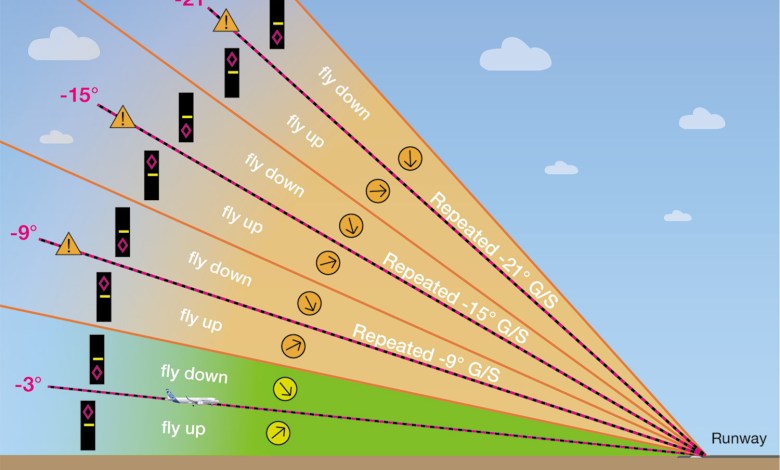
Classic descent planning usually includes a time/distance/rate algorithm worthy of space shuttle re-entry or a that-looks-about-right guess. The latter often results in a screaming, idle path that ends with, Ahhh, Center, were gonna have a little trouble crossing STING at 3000.

Read More »

On The Air: February 2010

Returning to Winston-Salem from the coast, I heard the following exchange as I was trying to find some smooth air and had requested a number of altitude changes:Cherokee 37J: Greensboro Approach. Three Seven Juliet, request.Greensboro Approach: Go ahead Three Seven Juliet.Cherokee 37J: Request 6000.Approach (a bit exasperated): 6000 approved. Do you think this will be your final altitude?

Read More »

Readback: February 2010

I understand there are the regulations and then there are the realities of commercial aviation and the pressures GA pilots face when the weather is not cooperating. Like Mr. Smith, I am a professional and I would never tell anyone to be below minimums, in IMC conditions, relying on a VFR chart to avoid obstacles, all while trying to fly a single-engine profile. Encouraging pilots to accept this risk is irresponsible. The chance youll go single-engine at the moment you rotate into IFR conditions is indeed slim, but I can think of few other times when the consequences of poor decision making could be so dire.

Read More »

The Myth of Multitasking

I was in the car with two other pilots while the guy in the back seat was reading out loud a column by a well-known aviation writer (whom we all respect): … Now anxiously switching the Avidyne EX500 between the map/NEXRAD display, the on-board radar, the METAR and TAFs and the stored approach charts for KLEB, I was completely concentrated …

Read More »
Pilot in aircraft
Sign-up for newsletters & special offers!

Get the latest stories & special offers delivered directly to your inbox.

SUBSCRIBE