Full Issue PDF
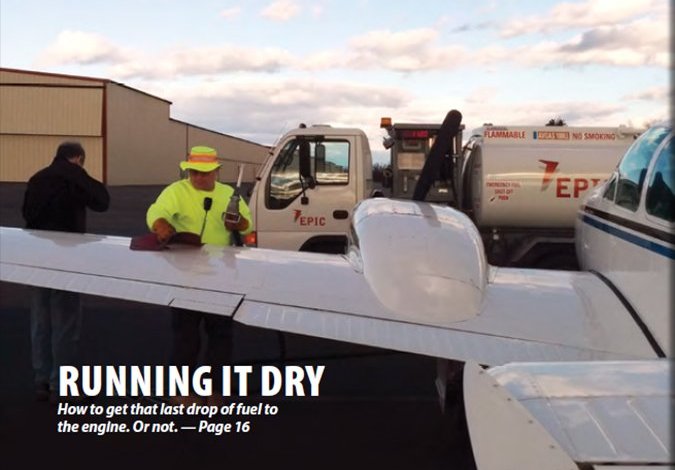
Download the Full June 2016 Issue PDF
The wreckage path extended about 185 feet; the propeller, various engine components, and pieces associated with both left and right wings were located along it. The main wreckage was completely consumed by post-impact fire, precluding detailed examination of the cockpit instruments, flight control surfaces and control tubes. One propeller blade was fractured near the hub; the other two blades exhibited s-bending, leading edge gouging and chordwise scratching.
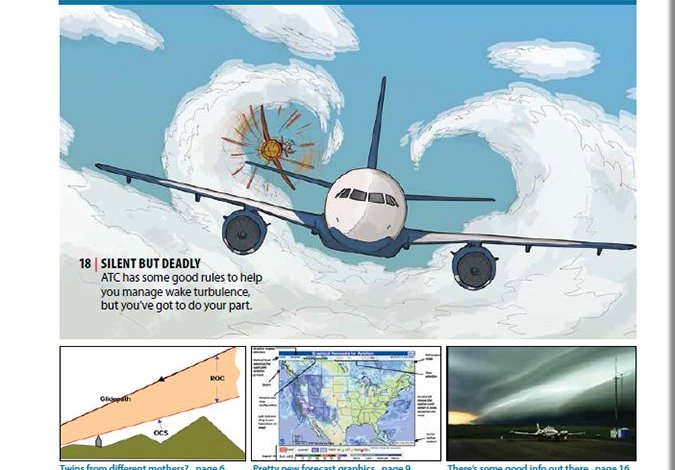
Download the Full June 2016 Issue PDF
Practice doesnt always require actual performance-it can be as simple as mentally reviewing the steps. Precision (and, as well see, CDFA non-precision) approaches provide time to accomplish a go-around review. Intercepting glideslope at 1500 feet AGL provides time to establish a descent and review a go-around before counting down to minimums.

Download the Full May 2016 Issue PDF
As pilots, our biggest oxygen consumer is our brain. Night vision is one of the first things to go. The retinas rod cells, which provide night vision, are heavy oxygen consumers. Retinal function begins to deteriorate at altitudes as low as 5000 feet, and so will your night vision. Low perfusion of oxygen also reduces visual acuity. Blurred vision and tunnel vision are both common symptoms of hypoxia. If you experience these symptoms before reducing altitude or starting supplemental oxygen, they may linger.
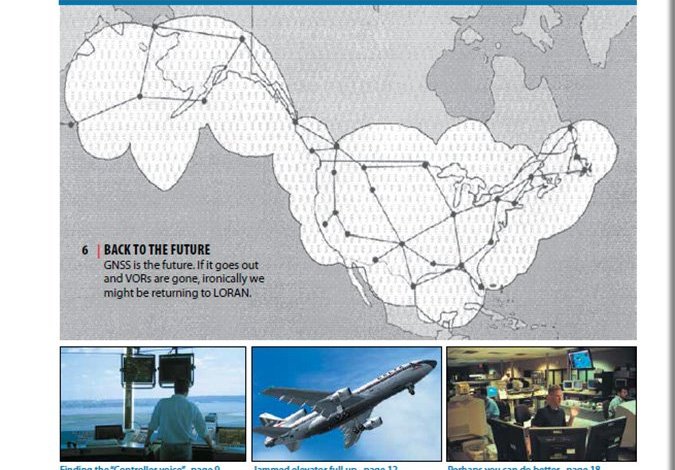
Download the Full May 2016 Issue PDF
After nearly 10 years of lobbying by general aviation advocacy groups, the FAA in March released a draft proposal aiming to overhaul light aircraft certification. Proponents say the changes would cut costs to certify new models and also bring new, safer technologies to the market faster. This proposal would benefit manufacturers, pilots, and the general aviation community as a whole, said U.S. Transportation Secretary Anthony Foxx. The proposal affects airplanes with up to 19 seats and a maximum takeoff weight of 19,000 pounds. Comments were accepted for 60 days; the FAA will consider all input before issuing a final rule, perhaps by the end of this year.