
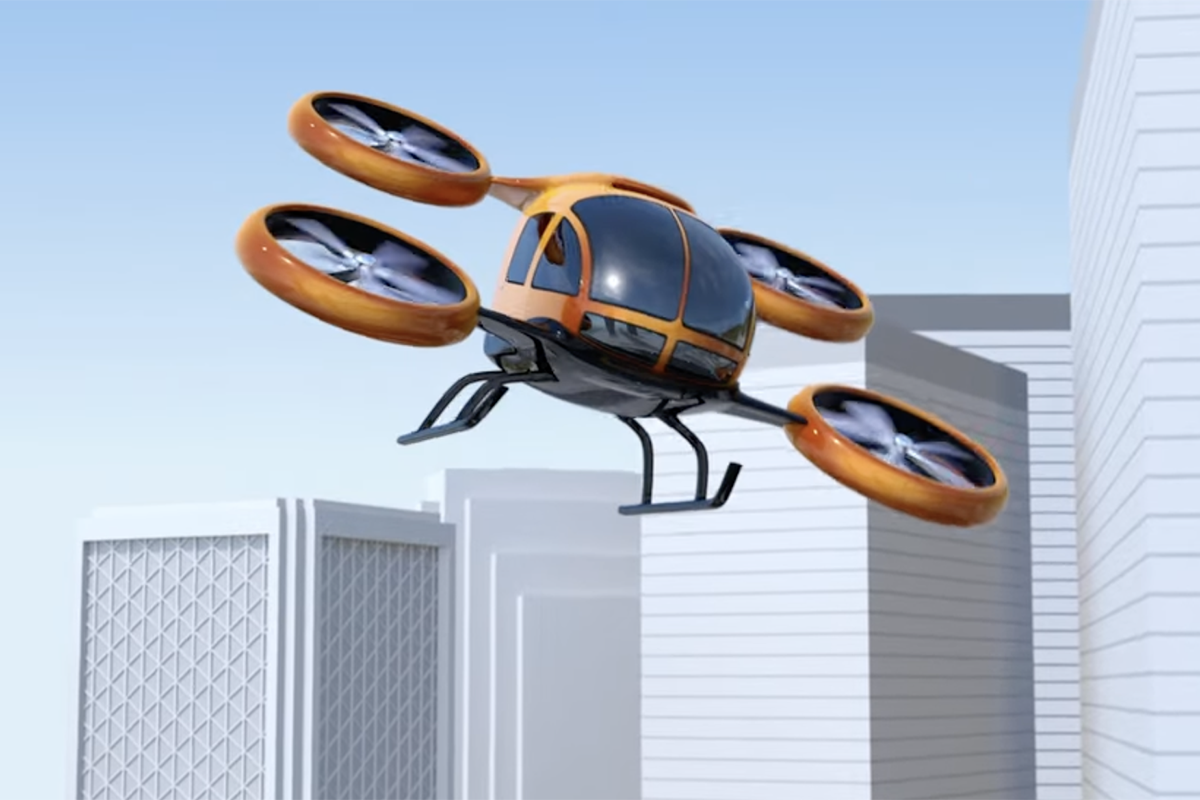


It’s no secret that many companies developing electric, vertical takeoff and landing (eVTOL) air taxis eventually plan to fly their fleets autonomously—with no pilot on board to guide aeronautical decision making (ADM). Eventually, experts believe the machines that will pilot these aircraft will be capable of learning and making difficult ethical choices previously reserved only for humans.
For example, let’s imagine the year is 2040. You’re a passenger in a small, autonomous, battery-powered air taxi with no pilot flying about 3,000 feet over Los Angeles at 125 mph. Air traffic is crowded with hundreds of other small, electric aircraft, flying and electronically coordinating with each other, allowing very little separation. Suddenly, an alarm goes off, warning about another passenger aircraft on a collision course. But amid heavy traffic, there are no safe options to change course and avoid the oncoming aircraft. In this scenario, how would a machine pilot know what action to take next?