











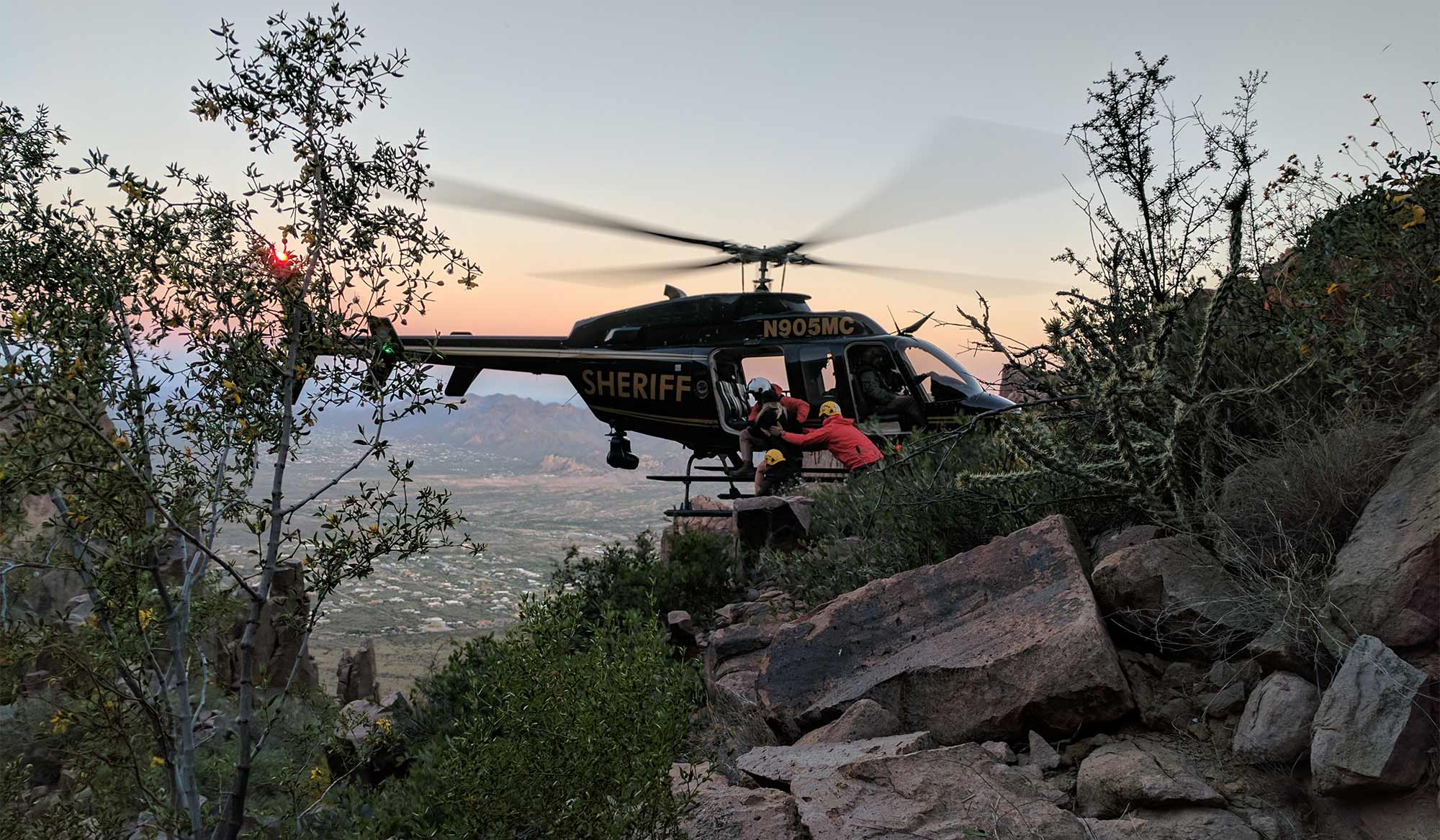
Today’s airborne law enforcement (ALE) pilots perform more than police work. At the California Highway Patrol (CHP), law enforcement is halfway down the list of aircrews’ seven missions, superseded by emergency response, homeland security and rural roadway patrol. “All these missions are about public service,” says Lt. Mike Sedam, commander of CHP’s Office of Air Operations, whose 88 pilots operate 15 fixed-wing and 15 rotor aircraft.
How to Become an Airborne Law Enforcement Pilot

Key Takeaways:
- Airborne Law Enforcement (ALE) is evolving into "public-safety aviation," expanding its missions beyond traditional police work to include emergency response, search-and-rescue, and firefighting, a shift reflected in the Airborne Law Enforcement Association's name change to the Airborne Public Safety Association (APSA).
- Hundreds of agencies, including state, municipal, and federal departments, employ ALE pilots, who typically require a bachelor's degree, law enforcement experience, and commercial flying qualifications.
- While the job market for ALE pilots is currently static due to budget constraints, positions are often filled by officers with prior flying experience, who are highly satisfied by the public service aspect of their roles.
Key takeaways sponsored by Aviator Pro | Start Your Training ->
See a mistake? Contact us.

