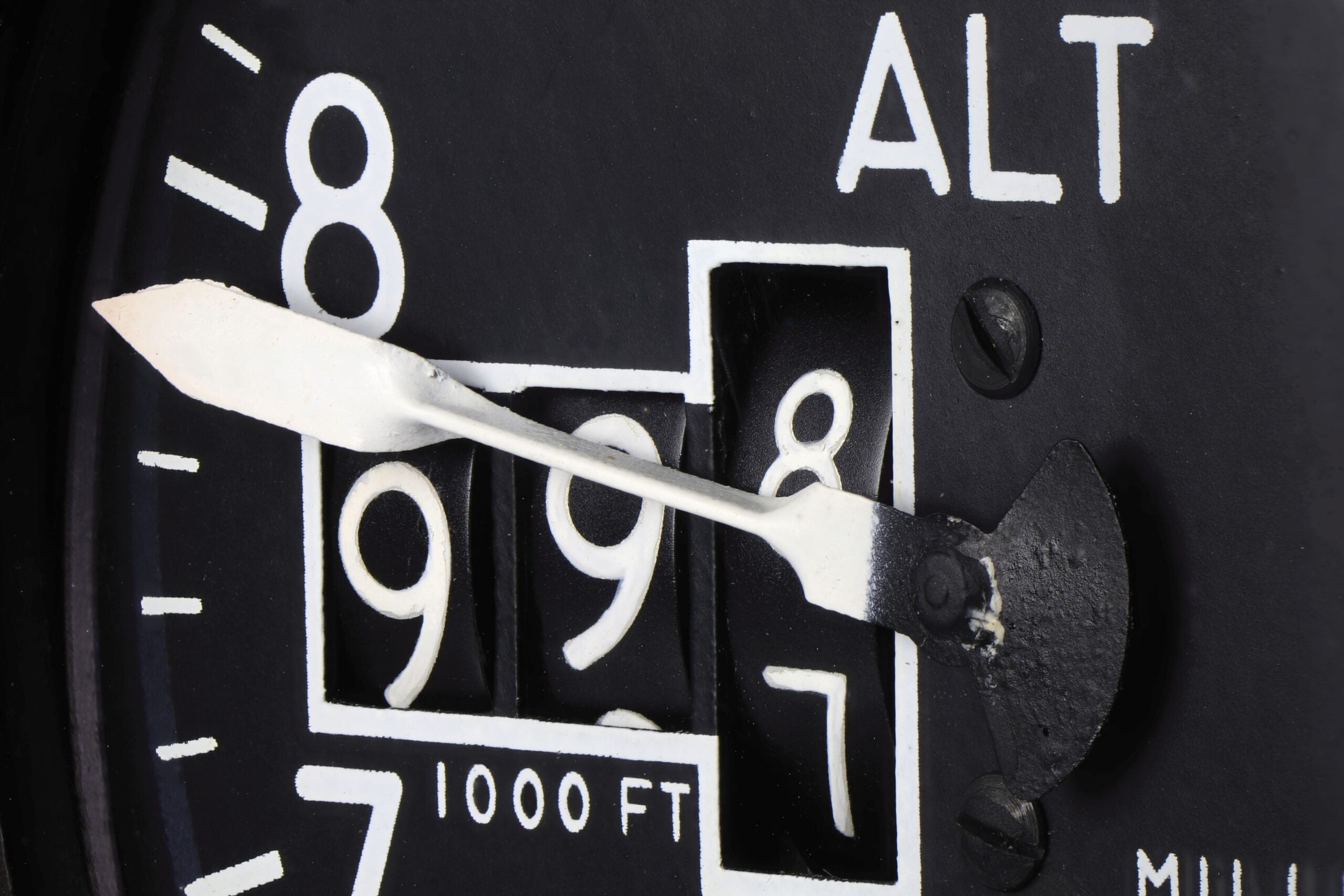
Of all the skills that go by the wayside after the check ride, determining aircraft performance is right up there next to 'obtaining a weather briefing' and 'weight and balance.' [iStock]
Key Takeaways:
Pilots often underestimate how environmental factors like temperature alone can significantly degrade aircraft performance, emphasizing the critical need for diligent pre-flight calculations, especially density altitude, to avoid unsafe takeoffs.
Consistent application of pre-flight skills, including performance calculations, weight and balance, and obtaining weather briefings, is crucial as these abilities often fade after a pilot's check ride.
Environmental conditions such as heat and humidity also degrade pilot performance, requiring proactive measures like strategic flight scheduling, staying hydrated, and personal cooling techniques to maintain alertness and safety.
It was a hot day when the rather frazzled-looking young man came into the FBO with the dispatch book of the Cessna 150.
He complained there was something wrong with the airplane. The engine wasn’t producing enough power. He had attempted two takeoffs and wisely chose to abort, as it did not lift off when he expected.
CREATE A FREE ACCOUNT
Sign up to keep reading
Create a free account to continue. Already a member? Sign in below.
Meg Godlewski has been an aviation journalist for more than 24 years and a CFI for more than 20 years. If she is not flying or teaching aviation, she is writing about it. Meg is a founding member of the Pilot Proficiency Center at EAA AirVenture and excels at the application of simulation technology to flatten the learning curve. Follow Meg on Twitter @2Lewski.