













Register

Handling Absolutes

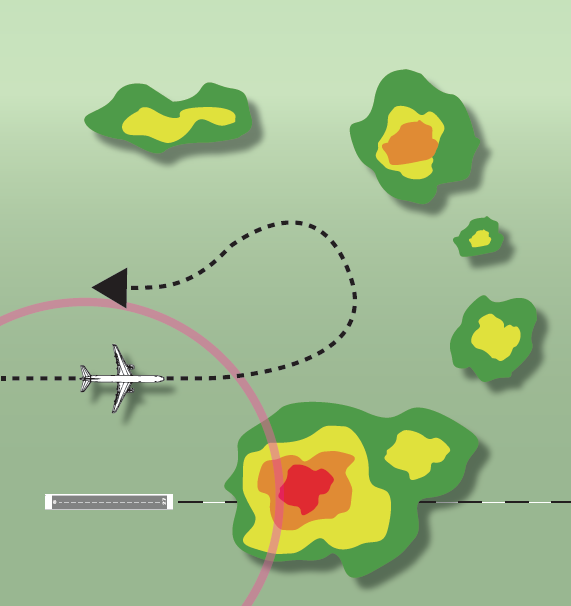
If the chances of a successful visual approach aren’t 100 percent, ATC should have a safe “out” on hand to get the aircraft back into a good spot. Sometimes, as with this 757 getting boxed in by precipitation, that way out is the same way they entered.
Gemini Sparkle

Key Takeaways:

  • Air traffic control (ATC) operates on a foundation of strict, binary rules and clear conditions, especially when handling visual approaches and visual separation, much like computer programming's if/then statements.
  • For visual operations, ATC requires definitive "in sight" confirmations from pilots regarding airports, runways, or preceding aircraft; vague responses or reliance on cockpit displays are not acceptable.
  • Both pilots and controllers must know and adhere to their operational limits and have contingency plans (Plan B) ready when conditions for visual clearances cannot be met.
See a mistake? Contact us.

Before I was an air traffic controller, I dabbled with computer programming. Both fields involve complex problems that are often broken down to simple if/then statements: if condition A is true, you do X. If condition A is false, you do Y. Thousands of these tiny statements may be the bricks of a massive application or website’s structure.

Each flight is also a complex collection of factors, including the winds, traffic, and weather you’ll encounter, all impacting yours and ATC’s decisions going forward. The black-and-white rules of ATC allow controllers to navigate these fluid situations through a series of simple, often yes-or-no questions.


Ready to Sell Your Aircraft?

List your airplane on AircraftForSale.com and reach qualified buyers.

List Your Aircraft
AircraftForSale Logo | FLYING Logo
Pilot in aircraft
Sign-up for newsletters & special offers!

Get the latest stories & special offers delivered directly to your inbox.

SUBSCRIBE