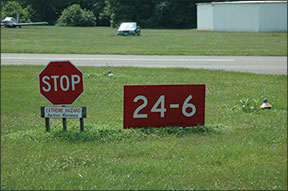
Before we can fly, we probably have to taxi. At sleepy, non-towered facilities, getting from the ramp to the runway and vice versa usually isn’t much of a challenge unless the surface’s condition poses one. Meanwhile, towered facilities and larger airports bring their own challenges.
Ground operations require full attention, similar to the sterile cockpit concept, and pilots should plan taxi routes using airport diagrams and complete pre-flight tasks (like GPS programming) before moving.
Maintain a slow taxi speed (under 20 knots) and ample distance from other aircraft to prevent collisions, prop blast damage, and unnecessary wear on the aircraft.
Strictly adhere to hold-short lines and proper runway exit procedures, using appropriate exterior lighting and configuring controls for wind, as ground operations are as critical as airborne flight.
Before we can fly, we probably have to taxi. At sleepy, non-towered facilities, getting from the ramp to the runway and vice versa usually isn’t much of a challenge unless the surface’s condition poses one. Meanwhile, towered facilities and larger airports bring their own challenges.
288
CREATE A FREE ACCOUNT
Sign up to keep reading
Create a free account to continue. Already a member? Sign in below.