











A year ago and mostly for fun, I decided to obtain an add-on glider rating. For any private or commercial airplane pilot, an add-on glider usually can be accomplished in three or four days, provided the weather cooperates. You dont even need a current medical certificate or a drivers license. It also is one of the least expensive add-on ratings an airplane pilot can attain. 288
Glider Lessons
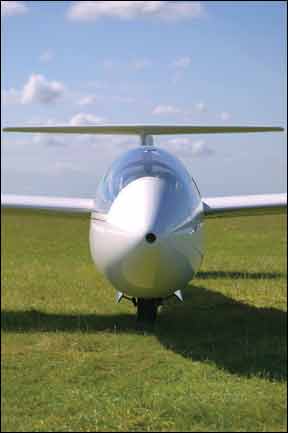
A year ago and mostly for fun, I decided to obtain an add-on glider rating. For any private or commercial airplane pilot, an add-on glider usually can be accomplished in three or four days, provided the weather cooperates. You dont even need a current medical certificate or a drivers license. It also is one of the least expensive add-on ratings an airplane pilot can attain. Flying gliders is fun, but after flying single and multi-engine aircraft for almost 50 years, glider training also helped me to look at airplane flying techniques with fresh eyes. Here are some of the things I learned.

Key Takeaways:
- Glider training significantly enhances an airplane pilot's energy management skills, treating every landing as an engine-out emergency and thereby improving preparedness for real power loss scenarios.
- Pilots learn a dynamic understanding of best glide speed (influenced by wind and weight) and specific techniques for safely executing low-altitude turnbacks after power loss, including the efficient use of steeper bank angles to conserve altitude.
- Glider flying cultivates refined pattern management by focusing on visual angles to the runway and touchdown point, fostering meticulous planning and precise execution that are invaluable for all aircraft operations.
Key takeaways sponsored by Aviator Pro | Start Your Training ->
See a mistake? Contact us.

